

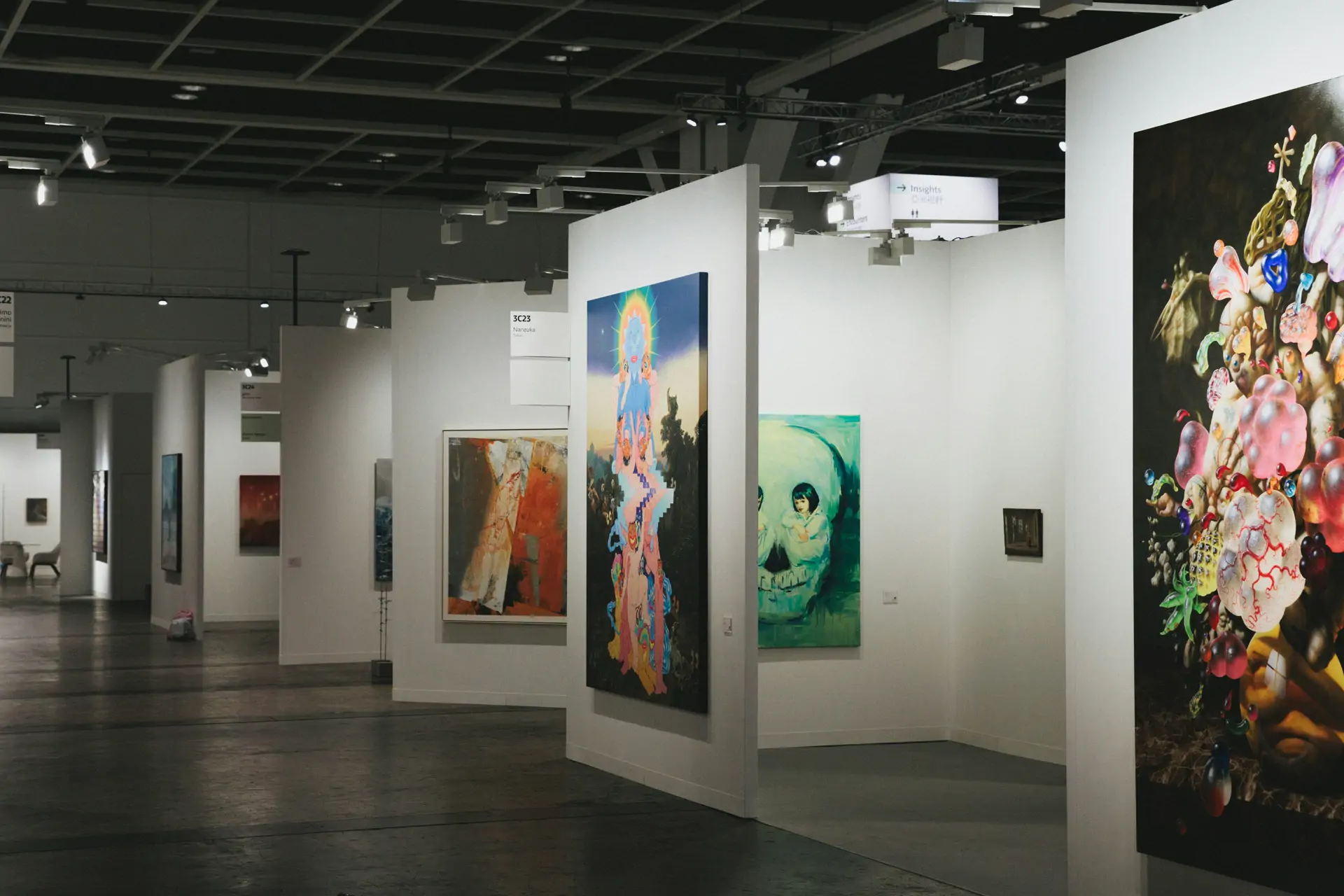
On June 16, 2026, the art world's most consequential annual gathering begins its private ritual. Before public doors open at Messe Basel, select collectors move through Unlimited's 16,000-square-meter hall examining monumental installations that define institutional acquisition strategies for the coming year. VIP preview cards exchange hands. Gallery directors greet longtime clients with first consideration for works they know won't survive the week. Deals close in quiet corners over champagne that costs less than the frames surrounding the canvases nearby.
This is Art Basel at its most essential. Not the public spectacle of opening days, but the deliberate choreography of serious collecting that precedes it. For sophisticated collectors, the 56th edition represents more than art tourism. It's strategic positioning at the singular moment when 290 galleries from over 40 countries convene with their most significant inventory, 250 museums send acquisition committees, and pricing reflects genuine market consensus rather than speculative hope.
The question facing discerning collectors isn't whether to attend. It's how to navigate four days of concentrated opportunity with the precision required to capitalize on advantages that vanish the moment public admission begins.
The Architecture of Access: Understanding Preview Hierarchies
Art Basel operates on a tiered access system that creates distinct advantages for different collector categories. Understanding this structure determines acquisition success before you book travel.
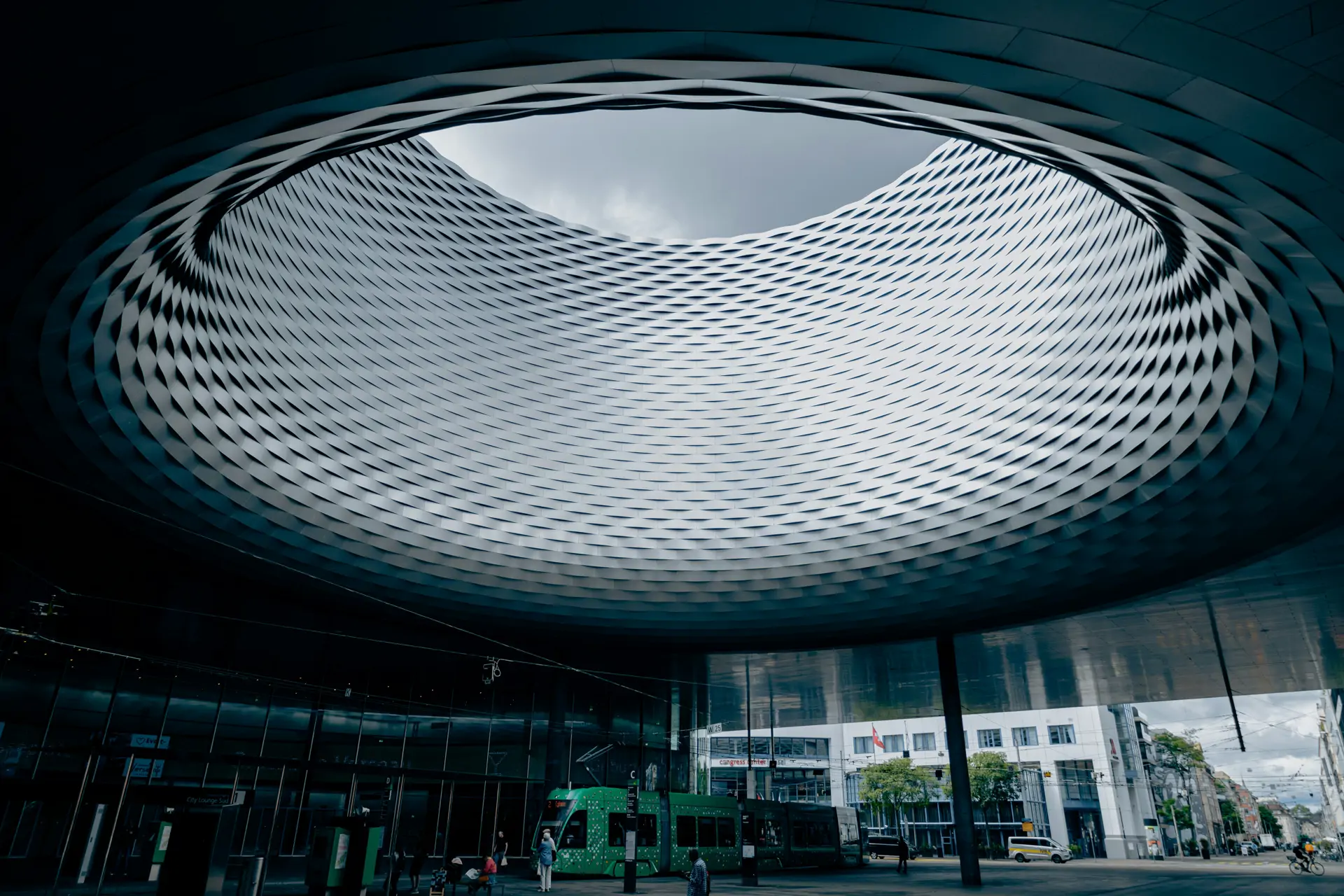
The fair unfolds across six days. Preview days on June 16-17 precede public opening on June 18. But within preview access, hierarchies matter profoundly.
Monday, June 16, hosts the Unlimited Sector Opening from 4pm-8pm. Invitation-only access restricts attendance to gallery nominees and established institutional collectors. This four-hour window offers the first viewing of the sector that historically generates the fair's most significant sales. Monumental works by blue-chip artists appear here. Museums make acquisition decisions. Private collectors with eight-figure budgets position themselves before broader preview access dilutes opportunity.
Tuesday, June 17, brings First Choice VIP preview beginning at 11am. This represents the most commercially significant preview tier. Galleries invite their most important clients. Serious collectors with established relationships access the fair's complete inventory with minimal crowding and maximum gallerist attention. Works frequently sell during these opening hours. By Wednesday's Preview VIP day, significant pieces have already transacted.
June 18-21 constitutes public days, 11am-7pm (8pm Wednesday, 6pm Sunday). General admission tickets cost CHF 69 daily. For collectors without preview access, strategic public day attendance still offers value, but requires different tactical approaches.
Securing Preview Access Without Established Gallery Relationships
Preview access typically requires a gallery invitation or art advisor facilitation. But pathways exist for collectors building initial positioning.
Purchase history with exhibiting galleries—even modest transactions—often generates preview invitations for future editions. Attending public days and establishing relationships creates preview access for subsequent years. Art advisors with established gallery connections can extend their own preview access to clients. UBS, the fair's lead partner since 1994, offers cardholders certain VIP privileges. Professional credentials—museum affiliations, curatorial roles, art journalism, institutional positions—sometimes qualify for press or professional preview access.
The strategic approach: attend 2026's public days, invest in gallery relationships now, position for 2027's preview access while capitalizing on public day opportunities this cycle.
Sector Strategy: Where Collectors Should Focus
Art Basel is divided into nine distinct sectors. Each serves different collecting strategies and acquisition budgets. Efficient navigation requires advanced sector selection aligned with collecting objectives.
Galleries: The Foundation
The Galleries sector represents Art Basel's core. Over 200 exhibiting galleries present modern masters alongside leading contemporary artists. This is where blue-chip works appear. Where established mid-career artists show new production. Where museums build permanent collections.
Gallery booths range from 30 to 500 square meters. Larger spaces typically indicate more established galleries with deeper rosters. Pricing spans accessible emerging artist works ($5,000-$25,000) through to museum-quality pieces commanding seven and eight figures.
Strategic collectors pre-identify target galleries before arrival. Review exhibitor lists released approximately eight weeks before the fair. Research each gallery's roster. Understand which artists they'll likely feature. Schedule appointments with gallery directors during preview days. Efficient collectors visit 30-40 carefully selected booths rather than attempting exhaustive surveys.
Unlimited: Monumental Works and Institutional Validation
Unlimited showcases large-scale installations, colossal sculptures, comprehensive photo series, and live performances in a dedicated 16,000-square-meter hall. Curator Ruba Katrib oversees the 2026 edition's presentation.
This sector generates disproportionate institutional attention. Museums view Unlimited as an acquisition preview for works requiring specialized installation. Private collectors with residential space for monumental pieces find opportunities before museum acquisition drives pricing beyond accessible ranges.
The Art Basel Selection Committee and curator jointly approve Unlimited presentations, providing institutional endorsement that frequently precedes broader museum recognition. Collectors who acquire from Unlimited before full museum validation benefit from pricing that reflects emerging rather than established institutional status.
Critical consideration: Unlimited works often require specialized installation, climate control, and insurance. Factor these operational complexities into acquisition decisions. A $150,000 sculpture may require $30,000 in installation infrastructure and $3,000 annual insurance premiums.
Statements: Emerging Artist Discovery
Statements presents solo projects by emerging artists. Galleries nominate their most promising young talent. The Baloise Art Prize—one of contemporary art's most prestigious emerging artist awards—selects winners from this sector.
For collectors seeking early positioning, Statements offers exceptional value. Works typically range $3,000-$25,000. Artists featured here often achieve significant appreciation within 3-5 years. The sector's structure—single-artist presentations rather than mixed booth displays—enables focused evaluation of artistic development and conceptual rigor.
Strategic approach: identify 5-10 statement presentations before the fair. Research each artist's trajectory. Understand their gallery representation, exhibition history, and critical reception. Attend preview days when gallerists have time for substantive conversation about artist development rather than managing transaction queues.
Feature: Historical Context and Market Maturity
The feature presents curated historical presentations of 20th-century artists. This sector appeals to collectors building comprehensive holdings that span art historical moments rather than focusing exclusively on contemporary production.
Pricing here reflects established market consensus. These aren't speculative acquisitions. They're strategic additions to collections requiring historical grounding. Museums and institutional collectors view Feature as an acquisition opportunity for canonical artists whose secondary market has matured beyond auction volatility.
Premiere, Edition, Kabinett, Parcours: Specialized Sectors
Premiere showcases precisely curated presentations by up to three artists. Galleries use this format for thematic exhibitions requiring focused presentation rather than booth format.
Edition presents editioned works—prints, photographs, sculptures produced in limited series. Accessible entry points ($2,000-$15,000) for collectors beginning acquisition strategies or diversifying beyond unique works.
Kabinett allows galleries to create curated presentations within their booth space. Often features solo shows, historical surveys, or thematic groupings that benefit from dedicated presentation.
Parcours transforms Basel's urban spaces with site-specific installations. Public art that extends the fair beyond Messe Basel. Free public access creates broader engagement while offering collectors the opportunity to experience works in non-commercial contexts before viewing gallery presentations.
Acquisition Strategy: When and How to Buy
Art Basel's compressed timeline creates pressure that benefits prepared collectors and disadvantages reactive buyers. Strategic acquisition requires advanced planning and disciplined execution.
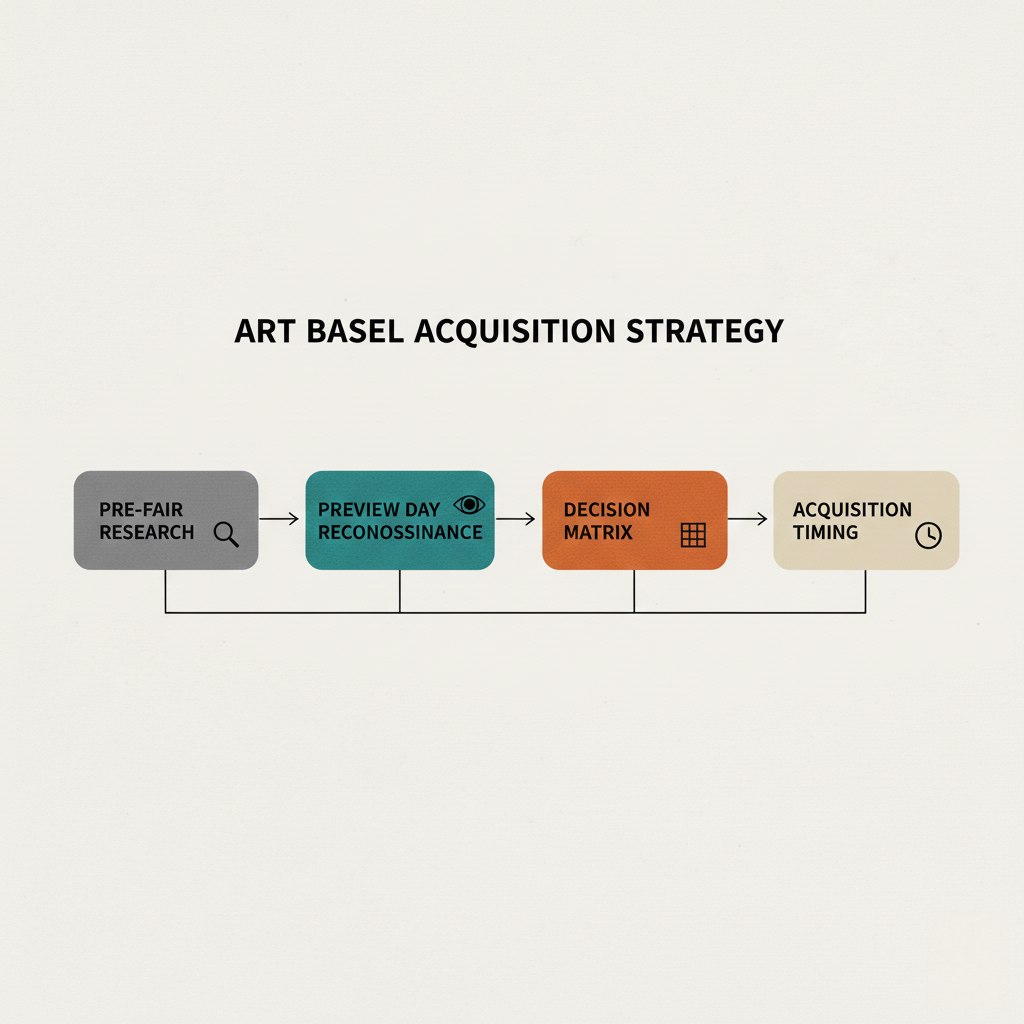
The Pre-Fair Research Phase (8-10 Weeks Before)
Exhibitor lists are released approximately two months before the fair. This document—available through Art Basel's website and distributed to previous attendees—becomes your primary research tool.
Download the exhibitor list immediately upon release. Cross-reference exhibiting galleries against your existing relationships. Identify 30-50 galleries aligned with your collecting focus. Visit gallery websites. Review recent exhibitions. Understand which artists each gallery will likely feature. Note any gallery announcements regarding Art Basel presentations.
Contact galleries directly. Professional galleries respond to serious collectors requesting preview appointments. Email gallery directors expressing interest in specific artists or sectors. Request preview day appointments. Galleries often schedule these 15-30 minute meetings during slower preview hours (typically 1-3pm Tuesday).
Research pricing. For artists you're targeting, understand current market rates through auction databases, gallery price lists, and art advisor counsel. Art Basel pricing generally aligns with the gallery's standard retail pricing. Significant deviations indicate either fair-specific opportunity or inflated opportunistic pricing.
Preview Day Reconnaissance (June 16-17)
If you secure preview access, resist immediate acquisition pressure. Monday's Unlimited opening and Tuesday morning's First Choice preview create urgency, but strategic collectors use preview days for reconnaissance more than transaction.
Walk your target galleries first. Take notes. Photograph works (when permitted). Don't commit immediately unless the work is genuinely exceptional and you've already completed thorough research. Gallery staff will hold works for serious collectors through the end of the preview days. This provides time for a considered evaluation without losing access.
Request condition reports for works under serious consideration. Professional galleries provide these documentation standards. For acquisitions exceeding $50,000, consider an independent appraisal before committing.
Use preview days to establish new gallery relationships. Introduce yourself to galleries you're encountering for the first time. Collect business cards. Express genuine interest in the artists they represent. These relationships compound across future Basel editions and benefit year-round acquisition opportunities.
Decision Matrix and Acquisition Timing
Art Basel transactions follow predictable patterns. Understanding these rhythms informs strategic timing.
Monday Unlimited preview (4-8pm): Highest-value transactions occur here. Museums and ultra-high-net-worth collectors compete for monumental works. Unless you're operating at an institutional scale, use this time for viewing rather than competing.
Tuesday First Choice (11am-2pm): Primary transaction window. Galleries focus on their most important client relationships. If you have established relationships and serious acquisition intent, this represents optimal timing. Works held through Tuesday typically remain available through Wednesday, but galleries become less flexible on pricing and terms after First Choice pressure passes.
Tuesday afternoon-Wednesday (2pm-8pm): Secondary transaction window. Galleries assess what sold during morning rush and adjust strategy. Collectors without First Choice access find opportunities here, particularly for works that didn't generate morning competition. Galleries become more negotiable as they gauge overall fair performance.
Thursday-Sunday public days: Transaction activity continues but shifts character. Emerging artist works in Statements still transact actively. Galleries that had strong preview sales sometimes offer additional inventory not displayed during preview days. Works that generated excessive preview interest but didn't sell often become more negotiable as galleries prefer transaction over transportation.
Negotiation and Terms
Art Basel pricing generally holds firm. Galleries set rates anticipating fair attendance and rarely offer significant discounts. However, strategic negotiation still matters.
Collectors can negotiate payment terms. Standard practice requires a 50% deposit with the balance due within 30-90 days. For acquisitions exceeding $100,000, extended payment schedules sometimes accommodate collectors, particularly when building gallery relationships for future transactions.
Request detailed provenance documentation. Comprehensive certificates of authenticity. Exhibition history for significant works. Conservation reports for older pieces. Professional galleries provide these standards. Documentation reluctance signals potential concerns.
Transportation and insurance require immediate clarity. Galleries typically arrange shipping, but collectors bear costs. Obtain detailed quotes. Comprehensive insurance should precede ownership transfer—never assume coverage during transportation.
Beyond Messe Basel: Maximizing Basel Week
Art Basel's official programming represents only partial value. The fair's true significance emerges through the ecosystem it activates across Basel and surrounding regions during this concentrated week.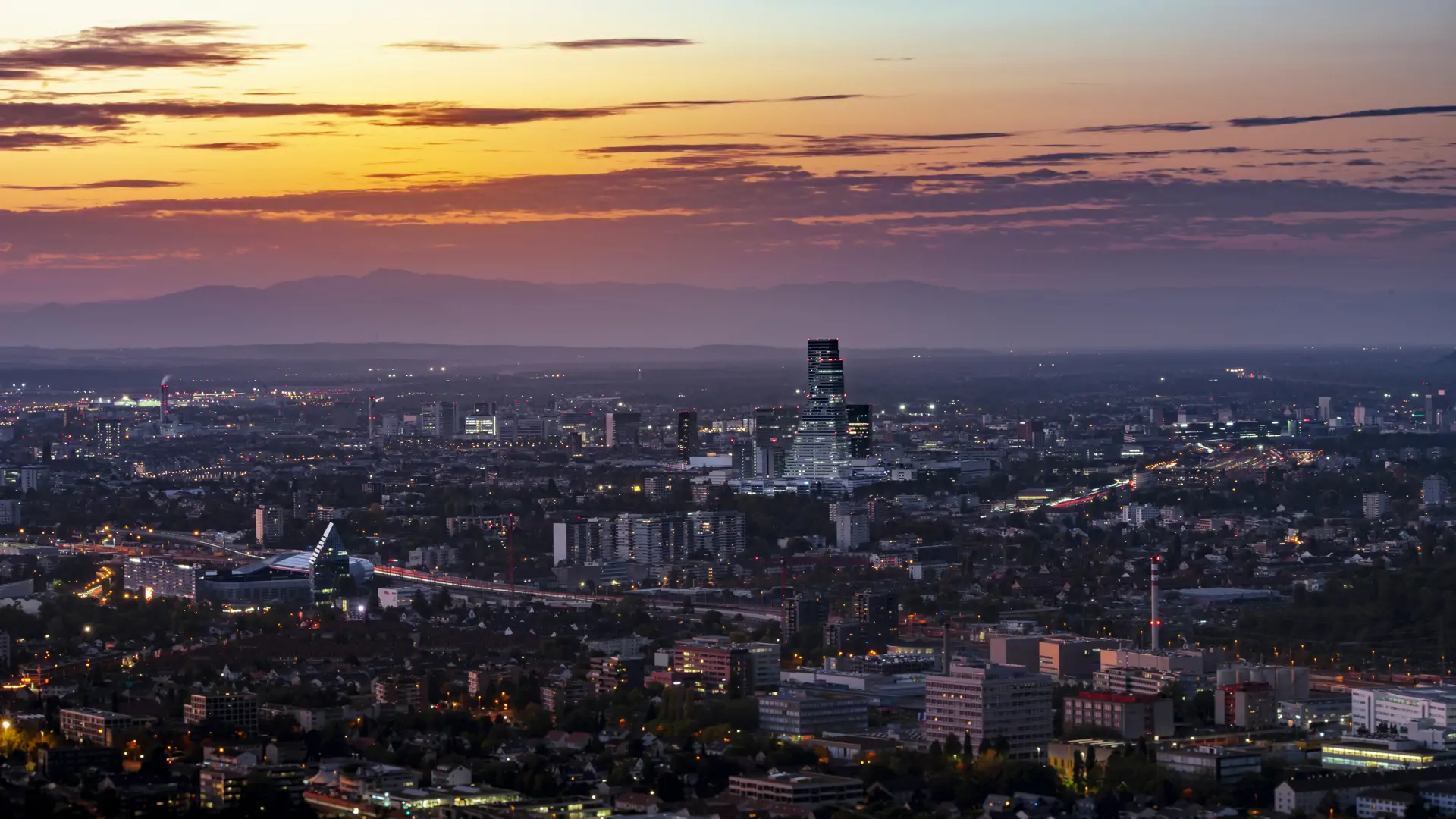
Museum Programming and Institutional Exhibitions
Basel's museum infrastructure—Fondation Beyeler, Kunstmuseum Basel, Kunsthalle Basel, Museum Tinguely, Schaulager—coordinates major exhibitions during Art Basel week. This isn't a coincidence. Institutions understand that 88,000 visitors plus 250 museum delegations create an unprecedented viewing opportunity.
The 2026 edition coincides with significant museum shows. Fondation Beyeler typically hosts marquee contemporary exhibitions. Kunstmuseum Basel's permanent collection includes works by Holbein, Picasso, and Giacometti. Schaulager presents research-intensive exhibitions that influence scholarly discourse.
Strategic collectors allocate time for museum visits. These exhibitions inform collecting decisions. Understanding institutional programming reveals curatorial priorities that subsequently influence market valuations. Artists receiving major museum retrospectives during Basel week often experience secondary market appreciation within 12-18 months.
Satellite Fairs: Liste, Volta, Photo Basel
Three significant satellite fairs operate concurrently with Art Basel, each serving distinct niches.
Liste Art Fair Basel (founded 1996) focuses on younger international galleries. More experimental programming than Art Basel proper. Lower booth costs enable galleries to take risks on emerging artists. Collectors willing to develop expertise in very early-career artists find exceptional value. Works typically range $1,000-$15,000. Risk profiles differ substantially from Art Basel's curated selections, but upside potential rewards collectors who cultivate discernment.
Volta (founded 2005) targets younger galleries with solo artist presentations. Format emphasizes artist discovery over established market positioning. Similar to Liste, Volta serves collectors seeking early positioning before broader market recognition drives pricing beyond accessible ranges.
Photo Basel represents Switzerland's only international fair dedicated exclusively to photography-based art. For collectors focused on this medium, Photo Basel offers concentrated access to galleries and artists specialized in photographic practice. Pricing and presentation quality vary more than Art Basel's curated environment, requiring greater collector due diligence.
The Social Architecture: Dinners, Openings, Gatherings
Much of Art Basel's activity occurs outside formal fair hours. Gallery dinners, museum opening receptions, private collector gatherings, and late-night hotel conversations create the social infrastructure where relationships develop and transactions mature.
Invitations largely control access to these events. Gallery clients receive dinner invitations. Museum patrons attend opening receptions. Art advisors host client gatherings. Collectors staying at Les Trois Rois—the hotel that serves as the unofficial Art Basel headquarters—encounter spontaneous conversations in the bar that prove as valuable as formal fair attendance.
For collectors building positioning, strategic social engagement matters. Attend gallery dinners when invited. Visit museum openings. Stay at hotels where the art world congregates. The relationships developed through these social touchpoints compound across years and enable access to works that never reach the public market.
Explore curated contemporary art and build your collection at Artestial, the luxury platform connecting discerning collectors with museum-quality works.
Practical Logistics: Hotels, Transportation, Documentation
Basel transforms during Art Basel week. Hotel availability vanishes months in advance. Restaurants require reservations. Transportation infrastructure strains under visitor influx. Practical planning determines whether logistical friction diminishes the effectiveness of collecting.
Accommodation Strategy
Book hotels 6-9 months before the fair. Proximity matters. Messe Basel's central location enables walking access from downtown hotels. Les Trois Rois represents the premium choice—art world headquarters with corresponding rates. Grand Hotel Les Trois Rois, Volkshaus Basel, and Hotel Der Teufelhof offer proximity and art world clientele at varying price points.
Budget-conscious collectors consider Zurich accommodation (60 minutes by train), though this sacrifices spontaneous evening access and social positioning. Many collectors share apartments through private rental platforms, though availability requires very early booking.
Transportation and Fair Access
Messe Basel sits centrally with excellent public transportation. Tram lines 6, 11, 14, and 16 provide direct access. Basel's compact geography enables walking between Messe Basel, Old Town museums, and satellite fair locations.
The venue provides wheelchair accessibility, coat check for bags exceeding 40×20×40cm restrictions, and basic amenities. However, food and beverage options inside prove limited and overpriced. Strategic collectors eat a substantial breakfast, exit for lunch in Basel's Old Town, and return for afternoon viewing.
Documentation, Photography, and Regulations
The fair permits personal, non-commercial photography without tripods, flashes, or professional cameras. Take advantage. Photograph works under consideration. Document gallery details. Create visual records for post-fair evaluation.
Prohibited items include backpacks, suitcases, umbrellas, sharp objects, drones, outside food, and beverages. Pack minimal essentials in a small bag. Gallery staff appreciate collectors who aren't managing luggage while examining art.
Obtain business cards from every gallery representative you engage substantively with. These contacts enable post-fair follow-up, future acquisition opportunities, and relationship development that transcends single fair attendance.
The Expanding Basel Universe: Paris, Miami, Hong Kong, Qatar
Art Basel operates as a global network rather than a single-location event. Understanding this international framework informs strategic positioning across multiple editions.
Art Basel Paris (October, Grand Palais) has rapidly eclipsed Basel's flagship fair in certain European collector preferences. The Avant Première ultra-VIP preview preceding standard VIP days creates even more stratified access hierarchies. Paris edition emphasizes European galleries and collectors. Formerly branded as Paris+ par Art Basel, the fair achieved full Art Basel Paris branding in 2024 and continues to gain momentum as the network's European expansion.
Art Basel Miami Beach (December, Miami Beach Convention Center) dominates the American contemporary art market. Latin American galleries and collectors receive particular emphasis. Miami's December timing and beach setting create a distinct social atmosphere—less formal than Basel, more lifestyle-oriented, but commercially significant with strong institutional attendance.
Art Basel Hong Kong (March, Hong Kong Convention and Exhibition Centre) serves the Asian market with a focus on regional galleries and collectors. For Western collectors seeking exposure to Asian contemporary art, Hong Kong provides concentrated access unavailable elsewhere.
Multi-Fair Strategy for Serious Collectors
Collectors building comprehensive contemporary collections increasingly adopt multi-fair strategies. Attending two or three Basel editions annually provides:
Geographic diversification: Different galleries attend different fairs. Asian galleries may skip Basel but feature prominently in Hong Kong. Latin American galleries prioritize Miami over Basel.
Artist exposure: Artists represented by galleries showing at multiple fairs become visible across different market contexts, enabling better evaluation of sustained institutional interest versus regional enthusiasm.
Relationship compounding: Gallery directors attending multiple Basel editions encounter consistent collector presence, strengthening relationships that enable preview access, first option rights, and favorable transaction terms.
Market intelligence: Observing which works sell quickly across multiple fairs, which galleries expand participation, which artists generate consistent institutional interest—this intelligence informs acquisition strategy more reliably than single-fair observation.
Discover expertly curated contemporary art across all major Art Basel editions at Artestial, your gateway to the global art market.
Essential Questions Collectors Ask
What's a realistic budget for Art Basel?
Art Basel accommodates every collecting scale. Emerging artist works in Statements begin around $3,000-$5,000. Established mid-career pieces range $25,000-$150,000. Blue-chip works command $150,000 to millions. The edition sector offers an accessible entry at $2,000-$15,000. Comprehensive fair attendance without acquisition intent costs approximately CHF 69 daily ticket plus travel and accommodation. Budget $5,000-$10,000 for week-long Basel attendance, including hotels, meals, and satellite fair access, before considering acquisition budgets.
Do I need an art advisor?
Art advisors provide maximum value at Art Basel for collectors new to the fair environment while investing above $50,000. Advisors navigate fair efficiently, pre-identify target works, provide acquisition due diligence, and leverage gallery relationships for preview access and favorable terms. Services typically cost 10-15% of the acquisition price or hourly rates ($500-$1,000 at Basel, reflecting compressed timeline demands). Experienced collectors attending primarily for reconnaissance and relationship building may not require advisor representation.
How do I verify authenticity and avoid problematic purchases?
Art Basel's curated gallery selection provides inherent quality control that minimizes authentication concerns. Exhibiting galleries undergo a selection committee review. This vetting reduces fraud risk substantially compared to unregulated markets. However, diligence still matters. Request certificates of authenticity from galleries. Obtain detailed provenance documentation for works exceeding $50,000. For significant acquisitions, consider independent authentication before finalizing. Red flags include documentation reluctance, pressure for immediate commitment, and prices substantially below market consensus.
Should I buy during preview days or wait for public days?
Preview days offer first access but generate artificial urgency. Unless you've completed thorough pre-fair research and identified specific target works, resist immediate preview day acquisition pressure. Use preview time for reconnaissance. Public days often present equal or superior opportunities, particularly Thursday-Saturday, when galleries become more negotiable after assessing preview sales. Exception: genuinely exceptional works by sought-after artists won't survive preview days. For these rare instances, preview acquisition prevents missing opportunities.
What about shipping, insurance, and import regulations?
Galleries typically arrange shipping, but collectors bear costs. Obtain detailed shipping quotes before finalizing purchases. Comprehensive insurance must precede ownership transfer—never assume gallery coverage continues through transportation. For international collectors, verify destination country import duties and VAT obligations. Switzerland charges no export duties. Your home jurisdiction may assess import taxes, duties, or VAT upon arrival. Factor these costs into acquisition budgets. Professional art shippers handle customs documentation and clearance, but ultimate responsibility rests with the collector.
How can I maximize fair value if I can't attend?
Many galleries provide remote viewing options during Basel week through private online presentations. Contact galleries directly expressing acquisition interest. Request detailed photography, condition reports, and pricing for works you're considering. Some galleries offer video walkthroughs or FaceTime viewing sessions. While remote acquisition lacks in-person evaluation advantages, galleries recognize that international collectors can't always attend and accommodate serious remote buyers. Build gallery relationships throughout the year to access these remote services during Basel week.
The Long Game: Positioning Beyond 2026
Art Basel represents a moment in an ongoing collecting strategy rather than an isolated event. The most sophisticated collectors view each edition as a relationship development opportunity that compounds across years.
Strategic positioning requires consistency. Attending multiple Basel editions signals a serious collector's intent to galleries. Galleries remember collectors who appear regularly, examine works thoughtfully, and complete transactions professionally. This recognition generates preview invitations, first option rights on exceptional works, and favorable terms that emerge only through sustained engagement.
Documentation of your Basel visits creates institutional memory. Maintain records of galleries visited, works examined, dealers encountered, and artists discussed. This archive informs future acquisition decisions and reveals personal taste evolution. Reviewing past Basel notes before subsequent fairs enables strategic continuity rather than reactive browsing.
The relationships formed at Basel extend beyond fair week. Follow up with galleries post-fair. Visit their primary locations. Attend their exhibition openings throughout the year. This sustained engagement positions you for exceptional opportunities when galleries acquire significant works outside fair contexts. Often, the most compelling acquisitions occur through gallery relationships developed at Basel but consummated months later through private sales.
Build your collection with strategic acquisitions from Art Basel's premier galleries at Artestial, where expertise meets opportunity.
Curating excellence, one insight at a time.
— AURUM Team
Disclaimer: This article is for informational purposes only and does not constitute financial, investment, or acquisition advice. Art market conditions, fair programming, gallery participation, and access requirements evolve. Fair dates, sectors, and procedures reflect information available as of early 2026 and may change. Consult professional art advisors and conduct independent due diligence before making acquisition decisions. Gallery pricing, authentication, shipping, and import regulations vary by jurisdiction and transaction specifics.