

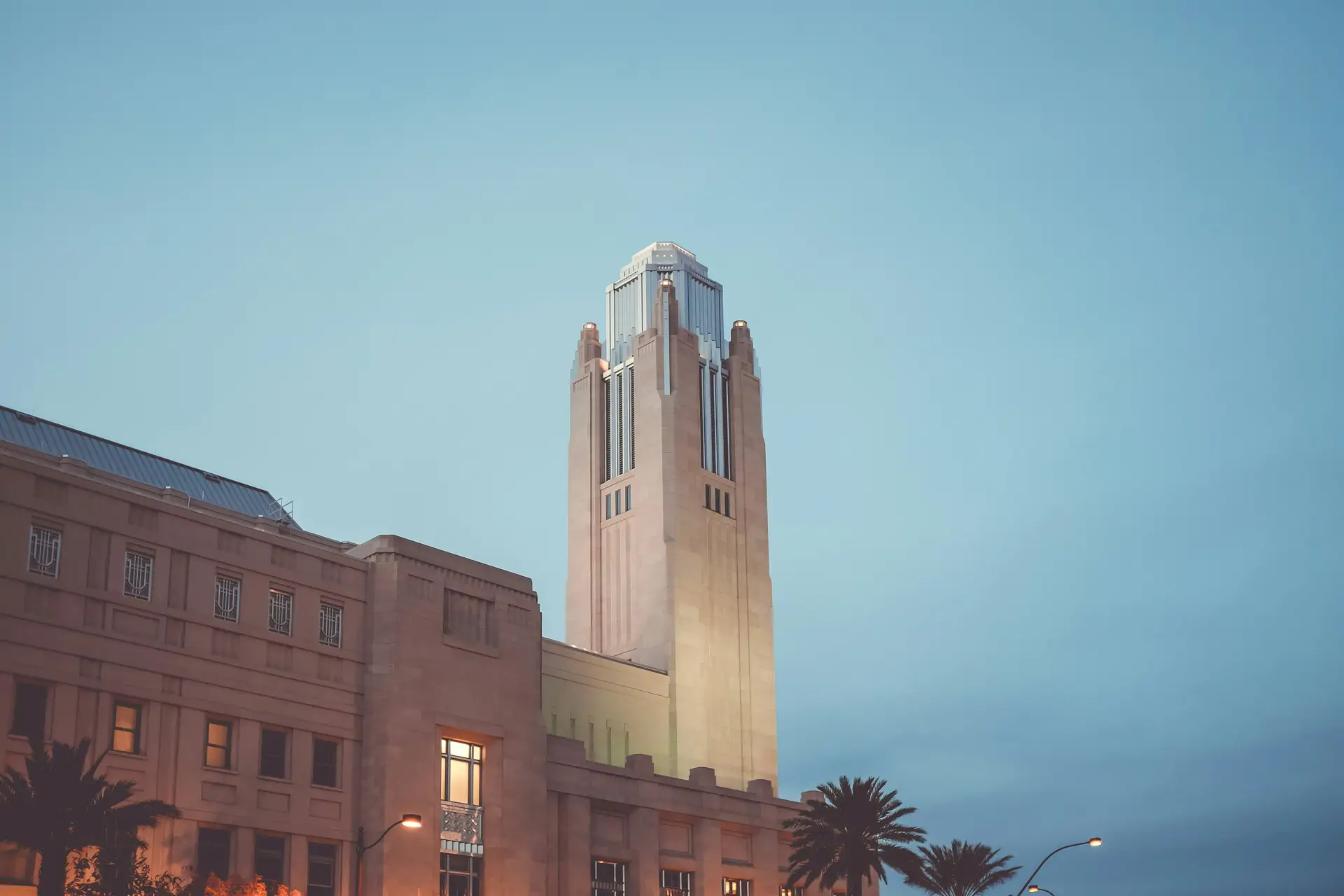
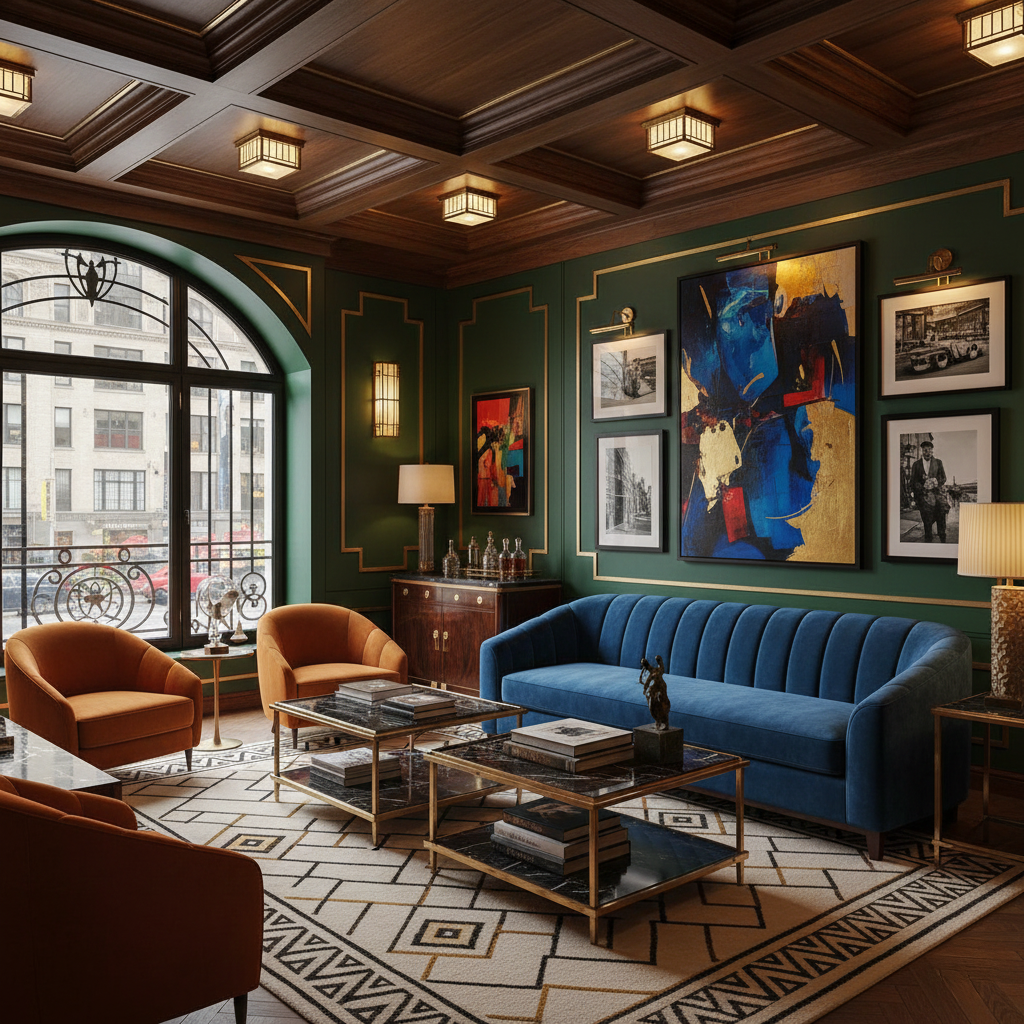
The penthouse at 70 Pine Street sold for $30 million in December 2023—a 40% premium over comparable new construction condominiums nearby. The buyer, a contemporary art collector relocating from Los Angeles, specifically sought Art Deco architecture for reasons transcending nostalgia. "The coffered ceilings, the crown molding geometry, the way light moves through those tall windows," she explained to her broker. "Modern glass boxes make art feel like decoration. Art Deco makes art feel like it belongs."
This sentiment captures why Art Deco architecture has surged from historic preservation curiosity into luxury real estate's most sought-after style. Across global gateway cities—New York, Miami, London, Paris, Shanghai—developers convert landmark Art Deco buildings into ultra-luxury residences commanding 30-60% premiums over contemporary construction. Meanwhile, new developments increasingly incorporate Art Deco elements, recognizing that the style's geometric clarity, material richness, and human-scaled proportions create environments where wealthy collectors actually want to live.
For sophisticated buyers who collect art, classic automobiles, and design objects, Art Deco architecture provides more than aesthetic pleasure. The style's defining characteristics—strong geometric forms, luxurious materials, craftsmanship emphasis, and carefully considered proportions—create ideal settings for displaying museum-quality collections while offering architectural distinction that mass-produced modern construction cannot replicate. Understanding Art Deco's resurgence reveals broader shifts in how discerning buyers approach residential architecture as another collectible category deserving serious investment consideration.
Art Deco Defined: Understanding the Style's Enduring Appeal
Art Deco emerged between World War I and World War II, peaking in the 1920s-1930s as a design movement embracing modernity, luxury, and optimism. The name derives from the 1925 Exposition Internationale des Arts Décoratifs et Industriels Modernes in Paris, though the style evolved across continents with distinct regional variations.
The Defining Characteristics
Art Deco architecture is immediately recognizable through signature elements that distinguish it from other historical styles. Geometric patterns—zigzags, chevrons, sunbursts, stylized florals—provide ornamental vocabulary celebrating machine-age precision while maintaining human warmth. Unlike minimalist modernism's stark restraint or Victorian styles' organic curves, Art Deco achieves decorative richness through geometric repetition and symmetry.
Vertical emphasis defines Art Deco skyscrapers—setback facades creating ziggurat profiles, soaring lobbies with dramatic ceiling heights, and strong vertical lines drawing eyes upward. The Chrysler Building and Empire State Building epitomize this tendency, their stepped silhouettes creating an iconic skyline presence impossible with uniform glass towers.
Luxurious materials distinguished quality Art Deco from cheaper imitations. Developers used exotic woods—ebony, zebrawood, macassar—alongside marble, terrazzo, chrome, brass, and specialized glass. This material richness communicates permanence and craft, contrasting with contemporary construction's drywall and laminate economy.
Streamlined moderne evolved as Art Deco's later phase, emphasizing horizontal lines, curved corners, and nautical references. Miami Beach's Ocean Drive exemplifies this variant, with buildings featuring rounded edges, porthole windows, and ship-like profiles suggesting speed and progress.
Why It Works for Art Display
Art Deco architecture creates ideal environments for displaying contemporary art through specific design characteristics. The strong geometric vocabulary provides visual structure without overwhelming artworks—unlike ornate Victorian interiors that compete for attention or stark modernist spaces that feel cold and institutional.
High ceilings—typically 10-14 feet in Art Deco buildings versus 8-9 feet in standard construction—accommodate large-scale contemporary works. The vertical emphasis creates gallery-like proportions where 6x8-foot paintings read as intentional rather than oversized. Crown molding and ceiling details frame artworks architecturally, eliminating the "floating on walls" feeling that plagues modern lofts.
Material quality matters equally. Terrazzo floors, marble wainscoting, and rich wood paneling provide textural depth that enhances rather than distracts from art. These materials age gracefully, developing patina that adds character—unlike synthetic materials that simply deteriorate. For collectors investing seven figures in art, environments with comparable material quality feel appropriate rather than aspirational.
Iconic Conversions: Historic Buildings Reimagined as Ultra-Luxury Residences
Developers have transformed numerous landmark Art Deco buildings from commercial or institutional use into residential luxury, demonstrating the style's contemporary relevance and premium market positioning.
70 Pine Street, New York: From Office Tower to Billionaire's Row
Originally the Cities Service Building (1932), this 66-story Financial District landmark stood vacant for years before developers converted it to ultra-luxury condominiums in 2016. The $500 million renovation preserved Art Deco lobbies, elevator cabs, and architectural details while inserting modern residential infrastructure.
Residences command $2,000-$3,500 per square foot—premium pricing justified by Art Deco authenticity, impossible to replicate in new construction. The building's crown, originally illuminated to compete with the Empire State Building, now serves as a massive penthouse with 360-degree views. Buyers include hedge fund managers, technology entrepreneurs, and art collectors seeking architectural distinction alongside downtown convenience.
The conversion demonstrates how Art Deco's prestige translates to market value. Comparable new construction condos nearby sell for $1,500-$2,500 per square foot—the historic architecture commands measurable premiums that developers capture and buyers willingly pay.
Walkie Talkie Building's Art Deco Neighbor, London
While London's modern Walkie Talkie skyscraper (20 Fenchurch Street) drew criticism for its bulbous form, nearby Art Deco conversions like the former Midland Bank building demonstrate period architecture's enduring appeal. These conversions preserve exterior facades while creating contemporary interiors, satisfying preservation requirements while delivering luxury buyers' demand.
London's Art Deco conversions typically achieve 15-25% premiums over equivalent new builds, with buyers citing architectural character, superior ceiling heights, and material quality as justifications. The city's strict preservation regulations ensure authentic renovations rather than facadism, maintaining historical integrity that supports long-term value.
Miami Beach Art Deco District: Preservation as Profit Center
Miami Beach's Art Deco Historic District contains over 800 buildings from the 1920s to 1940s, creating North America's largest concentration of Art Deco architecture. Originally, preservation battles in the 1970s-1980s saved these buildings from demolition; today, they command premium valuations in South Beach's luxury market.
Oceanfront Art Deco buildings renovated to luxury standards sell for $1,500-$3,000 per square foot, competing with ultra-modern developments. Buyers seeking an authentic Miami Beach experience prefer restored Art Deco over new construction, valuing architectural heritage and walkable neighborhood character that newer areas lack.
The district demonstrates how preservation creates economic value. Buildings once considered obsolete now represent irreplaceable assets, their Art Deco character driving tourism, commercial rents, and residential premiums that justify expensive restoration work.
Discover art that complements Art Deco interiors at Artestial, where geometric contemporary works and period-appropriate pieces create cohesive luxury environments.
Contemporary Developments Embracing Art Deco Elements
Beyond historic conversions, new luxury developments increasingly incorporate Art Deco-inspired design, recognizing that buyers respond to the style's glamour and material richness more than modernist minimalism.
111 West 57th Street, New York: Modern Supertall with Art Deco Soul
This 1,428-foot residential tower, completed in 2021, represents one of Manhattan's skinniest and most expensive buildings. While structurally modern, architect SHoP incorporated Art Deco references throughout—terra cotta facade details, setback crown, luxurious lobby materials, and geometric patterns referencing 1920s-1930s precedents.
The developer explicitly marketed Art Deco associations, understanding that buyers seeking $18-66 million residences respond to historical references suggesting permanence and prestige. Modern glass towers feel corporate; Art Deco evokes the Jazz Age glamour that wealthy buyers find aspirational.
Residences feature ceiling heights up to 14 feet, crown molding, and material palettes emphasizing brass, marble, and exotic woods—Art Deco material vocabulary updated with contemporary finishes. This hybrid approach delivers modern infrastructure (central air, floor-to-ceiling windows, smart home systems) within envelopes suggesting timeless luxury rather than trendy minimalism.
Waldorf Astoria Residences, Global Portfolio
The Waldorf Astoria Hotels & Resorts brand has expanded into branded residences, many incorporating Art Deco elements reflecting the original New York hotel's 1931 design. Projects in Miami, Bangkok, and Los Angeles feature geometric facades, vertical emphasis, and material richness signaling luxury through Art Deco vocabulary.
Buyers purchasing branded residences—typically $2-10 million—cite architectural distinction as a key differentiator from generic luxury condos. Art Deco associations convey sophistication and cultural literacy, positioning owners as knowledgeable about design history rather than merely wealthy.
The branded residence model demonstrates Art Deco's global appeal. From Southeast Asia to the Middle East, developers recognize that the style communicates luxury universally, transcending regional architectural traditions while feeling less austere than pure modernism.
Shanghai's Art Deco Revival in Luxury Developments
Shanghai's 1920s-1930s heritage as "Paris of the East" left remarkable Art Deco architecture—the Peace Hotel, Paramount Ballroom, and countless apartment buildings exemplify Chinese Art Deco's distinctive interpretation. Contemporary luxury developments increasingly reference this heritage, incorporating geometric patterns, vertical emphasis, and material richness into new construction.
Developments like Rockbund and Bund Finance Center integrate Art Deco details, attracting international buyers and wealthy Chinese seeking architectural sophistication beyond the standard high-rise formula. These projects achieve premium pricing by connecting to Shanghai's golden age, when the city competed with Paris and New York as a global style capital.
Investment Perspective: Why Art Deco Commands Premiums
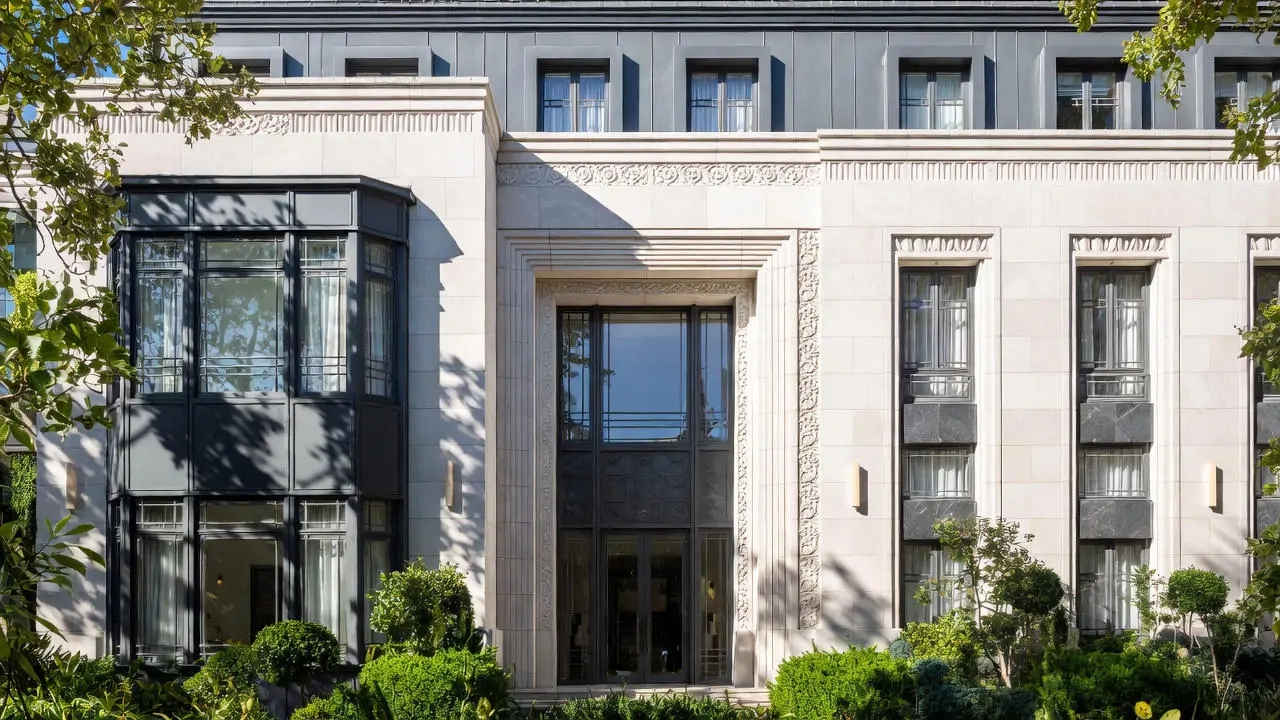
Market data consistently demonstrates that authentic Art Deco residential properties and Art Deco-inspired new construction command measurable premiums over comparable generic luxury developments.
Scarcity Drives Value
Authentic Art Deco buildings cannot be replicated—construction techniques, materials, and craftsmanship from the 1920s-1930s are economically impossible today. This scarcity ensures that well-preserved Art Deco properties appreciate reliably, protected from competition by new supply that characterizes modern construction markets.
Miami Beach's Art Deco district demonstrates this principle. As South Beach gentrified through the 1990s-2000s, Art Deco properties appreciated faster than newer construction, their irreplaceable character becoming increasingly valuable as surrounding areas developed. Properties that sold for $200-300 per square foot in the 1990s now trade at $1,500-3,000 per square foot—not just inflation, but scarcity premium.
Material Quality and Longevity
Art Deco buildings used materials built to last—solid brass hardware, real marble, terrazzo rather than vinyl, plaster rather than drywall. These materials age gracefully, requiring maintenance but not replacement. Modern construction's engineered materials often deteriorate within 20-30 years, requiring expensive updates that solid Art Deco construction avoids.
Sophisticated buyers recognize that this longevity translates to lower lifecycle costs. A $5 million Art Deco penthouse might require $50,000 annually in maintenance, but retain value indefinitely. A comparable modern condo requires $30,000 annually but needs $500,000 in renovations every 15-20 years as finishes date and systems fail.
Cultural Capital and Status Signaling
Owning Art Deco real estate signals cultural sophistication and historical awareness that generic luxury condos cannot provide. Buyers demonstrate knowledge of architectural history, preservation values, and aesthetic discernment—attributes that matter in social circles where mere wealth is insufficient differentiation.
This cultural capital translates to market value. Properties with an architectural pedigree attract buyers for whom price is secondary to prestige. Art Deco's association with Jazz Age glamour, Old Hollywood, and interwar optimism creates narrative richness that enhances ownership experience beyond physical space.
Art Deco and Art Collecting: The Natural Synergy
Collectors building significant art holdings gravitate toward Art Deco architecture for practical and aesthetic reasons that extend beyond style preference.
Proportions That Accommodate Art
Art Deco's human-scaled proportions—tall ceilings, generous room dimensions, strong wall space—provide ideal environments for displaying museum-quality collections. Unlike loft spaces with overwhelming openness or traditional townhouses with chopped-up rooms, Art Deco creates gallery-like environments within residential contexts.
The geometric architectural vocabulary frames artworks without competing. A Gerhard Richter abstraction against Art Deco geometric walls creates visual dialogue; the same painting in a Victorian interior clashes with fussy ornamentation, while in a stark modern loft it feels lonely rather than monumental.
Ceiling heights particularly matter. Contemporary art has scaled dramatically—works by Julie Mehretu, Anselm Kiefer, or Cecily Brown often measure 6-10 feet in dimension. Standard 9-foot ceilings make these works feel oversized; Art Deco's 12-14-foot ceilings provide proper scale, allowing important works to breathe.
Period-Appropriate Collecting Strategies
Art Deco architecture opens collecting opportunities beyond contemporary art. The period between World Wars produced exceptional furniture, lighting, and decorative arts by designers including Émile-Jacques Ruhlmann, Jean-Michel Frank, and Eileen Gray. These pieces, now collectible artworks commanding six figures, look appropriate in Art Deco settings but incongruous in modern lofts.
Collectors can build cohesive environments spanning art, furniture, and architecture—each category reinforcing the others. A 1930s Ruhlmann desk worth $200,000 becomes the centerpiece in an Art Deco study; the same desk feels like a costume in a glass tower. This collecting synergy creates environments where everything contributes to a unified aesthetic vision.
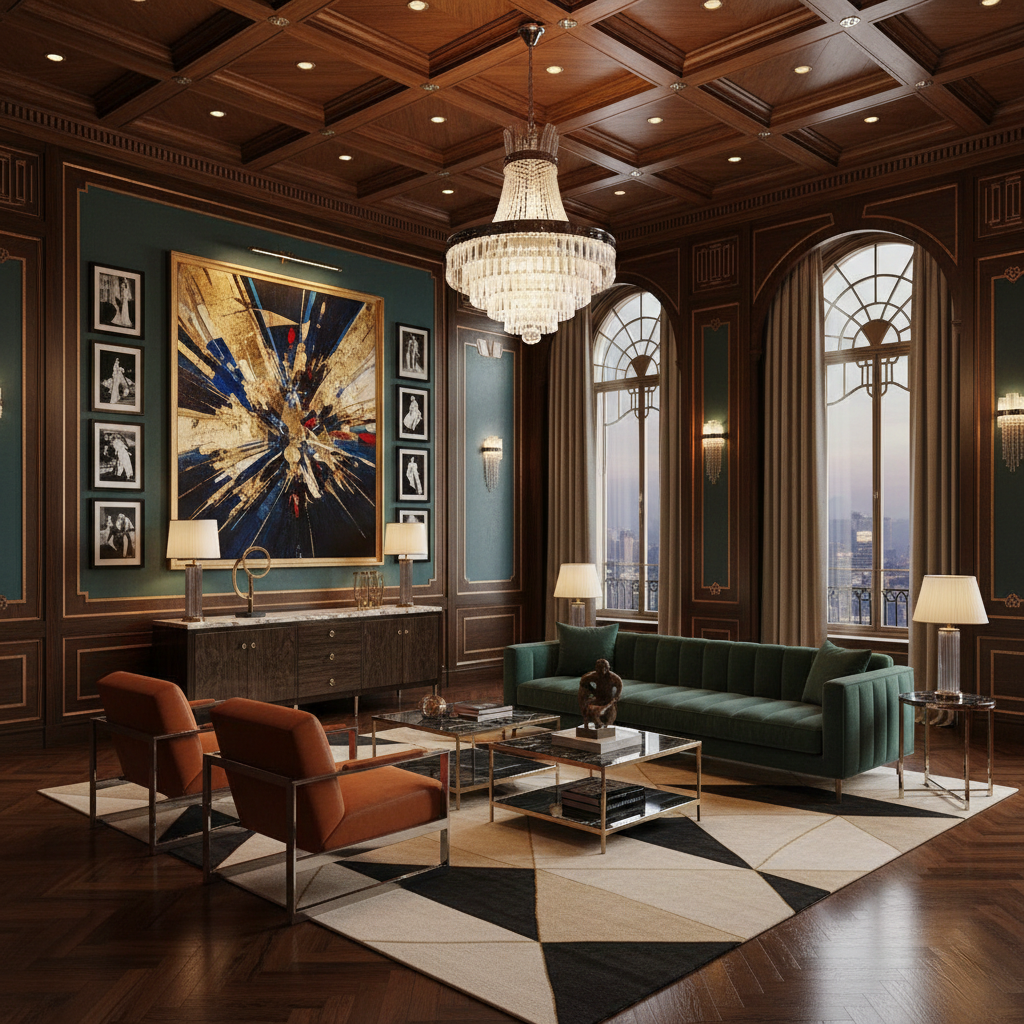
The investment logic extends across categories. Art Deco architecture appreciates; period furniture appreciates; contemporary art appreciates. Collectors building holdings across all three categories achieve diversification while creating living environments that function as curated exhibitions rather than mere residences.
Preservation Challenges and Opportunities
Converting Art Deco buildings to contemporary luxury involves navigating preservation requirements, updating infrastructure, and balancing authenticity with modern expectations—challenges that create opportunities for sophisticated developers and buyers.
Preservation Regulations and Tax Incentives
Most significant Art Deco buildings carry landmark designations requiring preservation of exterior facades and key interior features. Developers must work within these constraints, which initially seem limiting but ultimately create value by ensuring authenticity.
Historic preservation tax credits (20-40% of qualified rehabilitation costs in various jurisdictions) offset conversion expenses, making projects financially viable. These incentives recognize that preservation serves public interest by maintaining architectural heritage, encouraging private investment that might not occur otherwise.
For buyers, preservation regulations protect long-term value. Landmark status prevents future owners from demolishing or drastically altering buildings, ensuring that architectural character supporting premium valuations remains intact. This regulatory protection functions like conservation easements protecting land value—restrictions that paradoxically enhance worth by guaranteeing permanence.
Infrastructure Modernization
The primary challenge in Art Deco conversions involves updating mechanical systems—HVAC, plumbing, electrical—to contemporary standards while preserving historic fabric. Original buildings lack air conditioning, modern kitchens, or adequate electrical capacity for contemporary appliances and technology.
Successful conversions thread new infrastructure through existing structures without compromising architectural integrity. This requires creative engineering and significant expense—costs that premium pricing supports. The 70 Pine Street conversion spent $500 million partly because developers couldn't simply gut interiors and rebuild; they had to preserve historic features while inserting modern systems.
For buyers, this translates to a best-of-both-worlds proposition: historic architecture with modern convenience. Well-executed conversions deliver museum-quality architectural details alongside climate control, gourmet kitchens, and smart home systems that contemporary buyers expect.
The Future: Art Deco's Enduring Appeal
Art Deco's resurgence appears sustainable rather than cyclical in fashion, driven by fundamental preferences for human-scaled architecture, material quality, and geometric clarity that modernist minimalism often lacks.
Younger Buyers Embrace Historical Reference
Millennials and Gen Z buyers increasingly reject the glass-box uniformity that dominated luxury real estate for decades. They seek architectural character, neighborhood context, and historical connection that bland modern towers cannot provide. Art Deco's visual richness appeals to generations raised on maximalist design sensibilities.
This demographic shift supports continued Art Deco premiums. As wealthy younger buyers enter peak earning years, their preferences drive market dynamics. Developers responding with Art Deco-inspired projects recognize that style isn't a passing trend but a genuine preference shift favoring decoration, craft, and historical reference over minimalist severity.
Sustainability Through Preservation
Environmental consciousness increasingly favors building preservation over demolition and new construction. Preserving Art Deco buildings avoids embodied carbon costs of demolition and new building—concrete and steel production generate massive emissions that decades of operational efficiency gains cannot offset.
The greenest building is often the one already standing. Art Deco structures' durable materials and overbuilt construction make them excellent preservation candidates, supporting sustainability goals while maintaining architectural heritage. This environmental argument complements aesthetic and economic rationales, creating powerful preservation logic.
Conclusion: Architecture as Collectible Asset
Art Deco's luxury real estate resurgence reflects a broader understanding among sophisticated buyers that architecture itself deserves collecting consideration comparable to art, furniture, or classic cars. Just as collectors seek museum-quality art by blue-chip artists, they increasingly seek architecturally distinguished residences by celebrated architects or buildings with authenticated historical significance.
The style's geometric clarity creates ideal environments for art display while offering irreplaceable material quality and craftsmanship. Its scarcity ensures appreciation protection that generic construction cannot provide. And its cultural associations signal sophistication and historical literacy that matter in social contexts where wealth alone is insufficient differentiation.
For collectors building comprehensive luxury portfolios—art, design, automobiles, watches, real estate—Art Deco architecture provides a foundation that enhances rather than competes with other holdings. The same discernment guiding art acquisitions applies to architectural choices: seek quality, authenticity, provenance, and irreplaceability over trendiness or mere expense.
Explore Artestial's collections featuring geometric contemporary works and Art Deco-era pieces that complement architecturally distinguished residences, or connect with our specialists for guidance in building cohesive collections spanning art, furniture, and architectural contexts.
Whether acquiring a historic Art Deco residence or a contemporary development incorporating period references, approach real estate with the same seriousness applied to art collecting. Research provenance, verify authenticity, assess quality, and prioritize timeless distinction over temporary fashion. The greatest luxury isn't living in an expensive space—it's inhabiting architecturally significant environments that enhance daily life while appreciating steadily as irreplaceable assets.
Frequently Asked Questions
Do Art Deco properties really appreciate faster than modern luxury construction?
Market data from major cities shows authentic Art Deco properties in desirable locations have appreciated 15-30% faster than comparable modern construction over 20-year periods. Miami Beach's Art Deco district provides the clearest example—properties appreciating from $200-300/sf in the 1990s to $1,500-3,000/sf today, outpacing newer South Beach construction. Scarcity drives this premium—Art Deco buildings cannot be replicated, while modern construction faces continuous new supply competition. However, location matters critically; poorly located Art Deco in declining areas won't outperform well-located new construction in prime neighborhoods. The premium applies when comparing equivalent locations where Art Deco's irreplaceability creates a measurable value advantage.
What are typical renovation costs for converting Art Deco buildings to luxury residences?
Comprehensive Art Deco renovations typically cost $300-$800 per square foot, depending on preservation requirements, infrastructure updates needed, and finish quality. Historic preservation adds 20-40% to costs versus gutting and rebuilding, but delivers authentic architecture impossible to replicate. A 2,500 sf Art Deco apartment might require $750,000-$2,000,000 for luxury renovation preserving period details while updating kitchens, baths, and systems. These costs are justified when properties sell for $2,000-$3,500/sf versus $1,500-$2,500/sf for comparable new construction—the premium typically exceeds additional renovation expense. Buyers should budget conservatively and engage architects experienced with historic properties to avoid costly surprises during construction.
Can I modify Art Deco interiors to suit contemporary tastes without destroying value?
Thoughtful modernization that preserves architectural character typically enhances rather than destroys value. Successful approaches include: preserving all original architectural details (moldings, doors, hardware, terrazzo) while updating finishes; maintaining original room proportions and ceiling heights; using period-appropriate materials (brass, marble, quality woods) for updates; avoiding "open concept" demolitions that destroy original layouts. Many valuable Art Deco features, like kitchen and bath fixtures, can be restored rather than replaced, often for less expense with better results. Work with architects familiar with historic preservation—they understand which elements are essential to character and which can be sensitively updated. Properties that maintain architectural integrity while delivering modern functionality achieve the highest values.
How does Art Deco architecture specifically benefit art collectors versus other styles?
Art Deco offers collectors several advantages: high ceilings (12-14 feet) accommodate large-scale contemporary works properly; strong wall space without excessive fenestration provides display surfaces; geometric architectural vocabulary frames art without competing as Victorian ornamentation does; material quality and craft creates appropriate context for museum-quality collections; proportions feel gallery-like while remaining residential. Many collectors specifically seek Art Deco because the style was contemporary art's golden age—1920s-1930s modernism developed alongside Art Deco, creating natural aesthetic affinity. Period furniture, lighting, and decorative arts from Art Deco era are themselves collectible, allowing cohesive environments spanning architecture, design, and art. This synergy means collections feel integrated rather than randomly assembled.
Should I prioritize authentic Art Deco or new construction with Art Deco inspiration?
Authentic Art Deco offers irreplaceability, driving long-term value, but requires accepting the location and layout constraints of existing buildings. New Art Deco-inspired construction provides modern infrastructure and layouts but lacks authentic character and scarcity premium. Consider: For investment prioritizing appreciation, authentic Art Deco in prime locations offers better scarcity protection. For lifestyle prioritizing convenience and customization, new construction with Art Deco references may suit better. For collectors building comprehensive portfolios, authentic Art Deco provides an architectural component comparable to acquiring blue-chip art rather than contemporary works. Many sophisticated buyers choose both—a primary residence in an authentic Art Deco building, and vacation properties in new construction. Whatever choice, prioritize quality and authenticity over superficial decoration—buildings that genuinely embrace Art Deco principles rather than applying decorative elements to generic boxes.
Ready to explore architecturally distinguished residences and the art that enhances them? Visit Artestial's curated collections featuring works that complement Art Deco and other architectural contexts, or connect with our team for guidance in building cohesive luxury environments spanning architecture, art, and design.
Curating excellence, one insight at a time.
— AURUM Team
Disclaimer: This article is for informational purposes only and does not constitute financial, investment, or real estate advice. Real estate markets fluctuate based on multiple factors, including economic conditions, location dynamics, interest rates, and local market supply/demand. Historic buildings carry additional risks, including renovation cost uncertainty, preservation restrictions limiting modifications, potential structural or environmental issues, and ongoing maintenance requirements. Appreciation rates vary significantly by location and market conditions. Preservation tax credits and regulations differ by jurisdiction and may change. Renovation costs are estimates and can vary dramatically based on specific conditions discovered during construction. Consult qualified real estate professionals, architects, and financial advisors before making significant property acquisitions. Observations reflect market conditions as of early 2026 and may not apply to specific situations or future conditions.