

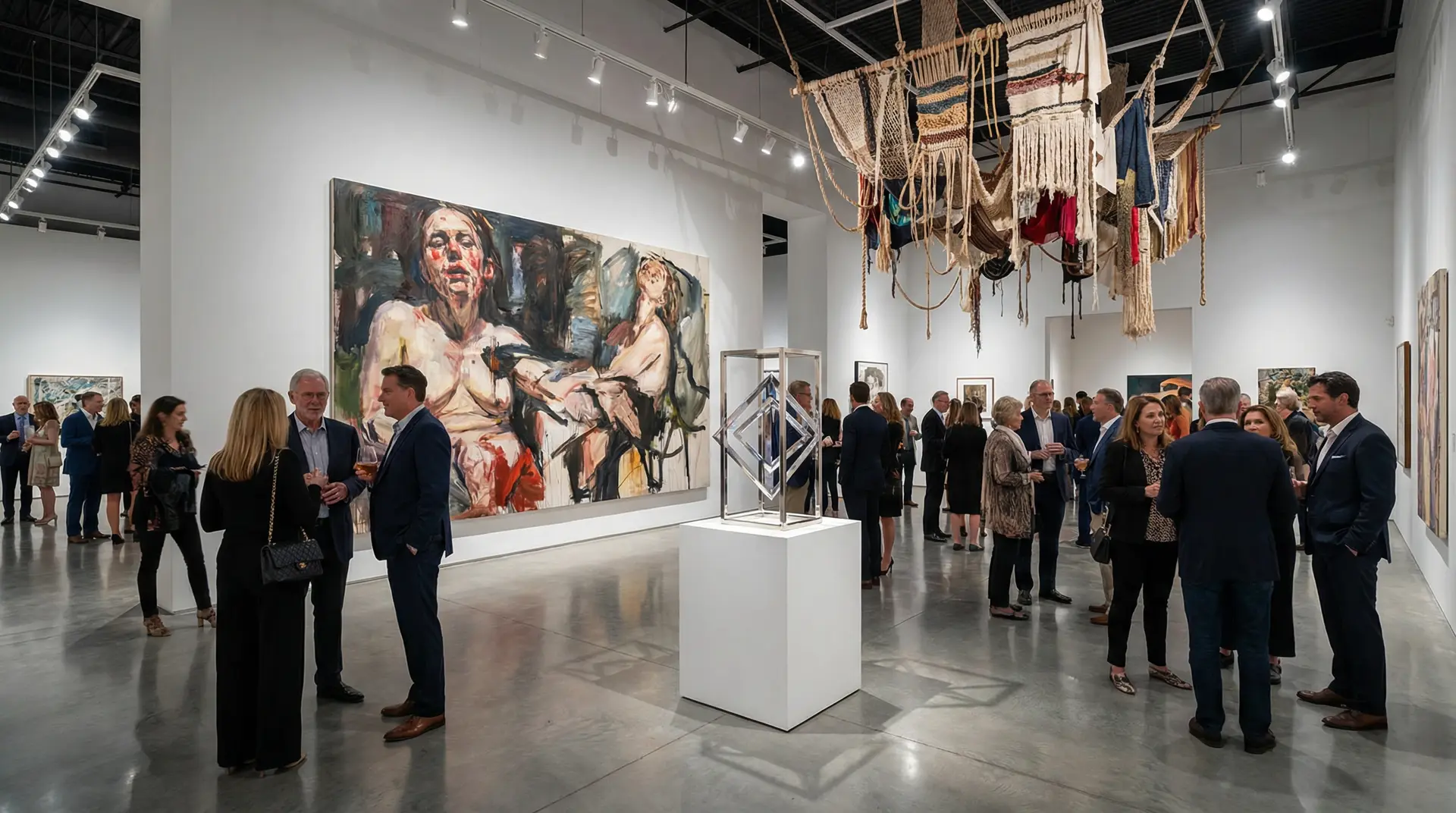
The definition of an emerging artist has evolved considerably from earlier decades when geographic proximity to major art centers and gallery representation determined visibility. Today's emerging talents surface through decentralized networks of independent curators, online platforms, biennial selections, and alternative exhibition spaces that amplify diverse voices without requiring conformity to established institutional expectations. This democratization has enabled artists from previously marginalized communities to gain recognition while maintaining authentic practices rooted in their own cultural contexts and personal narratives.
What distinguishes the artists gaining serious attention in 2026 from those whose visibility proves temporary involves several consistent markers. Sustained institutional support through museum exhibitions, acquisitions, and critical writing indicates recognition beyond market speculation. Coherent artistic development that rewards repeated viewing rather than relying on immediate visual impact suggests longevity. A collector base that grows steadily through genuine engagement rather than rapid flipping demonstrates market health. And perhaps most importantly, practices that address contemporary concerns while maintaining timeless qualities of craft and vision position artists for enduring relevance.
Discover emerging artists whose work rewards serious collectors at Artestial, where the platform's matching system connects collectors with artists building practices of genuine depth and cultural significance.
The 2026 Emerging Artist Landscape
What Collectors Are Responding To
The contemporary art market in 2026 rewards depth, clear authorship, and work that holds attention over time rather than quick visibility. Collectors are responding less to novelty and more to practices that feel built for longevity. Key trends influencing emerging artists include renewed institutional focus on painting, closer scrutiny of how work enters the market, and greater emphasis on coherent artistic languages that develop across bodies of work rather than shifting with each exhibition cycle.
This represents a meaningful correction from the speculative frenzies that characterized portions of the previous decade. The ultra-contemporary market that saw certain artists experience 500% price increases in months only to crash has given way to what market observers describe as rational discernment. Collectors now seek what they call "the artist's hand," driving demand for neo-figurative painting addressing identity and memory, small-scale sculpture in tactile organic materials, and works on paper from artists with established exhibition histories.
The mid-market price range between $1,000 and $10,000 has emerged as what analysts identify as 2026's sweet spot for collectors seeking the best risk-to-reward ratio. Works priced between $5,000 and $25,000 from artists with institutional exhibition histories but no significant auction records represent prime growth opportunities. This accessibility means collectors can build substantial holdings of work by artists whose trajectories point toward greater recognition without requiring the capital that established names demand.
Geographic Diversification
The traditional hierarchy anchored by New York, London, and a handful of European capitals has loosened considerably. Emerging art centers across the Global South are gaining influence, with collectors and curators seeking diverse voices and stories from Africa, South Asia, Latin America, and Southeast Asia. This expansion reflects both the supply of talent from thriving contemporary scenes in these regions and demand from younger, globally minded collectors who reject the Eurocentrism that long dominated institutional attention.
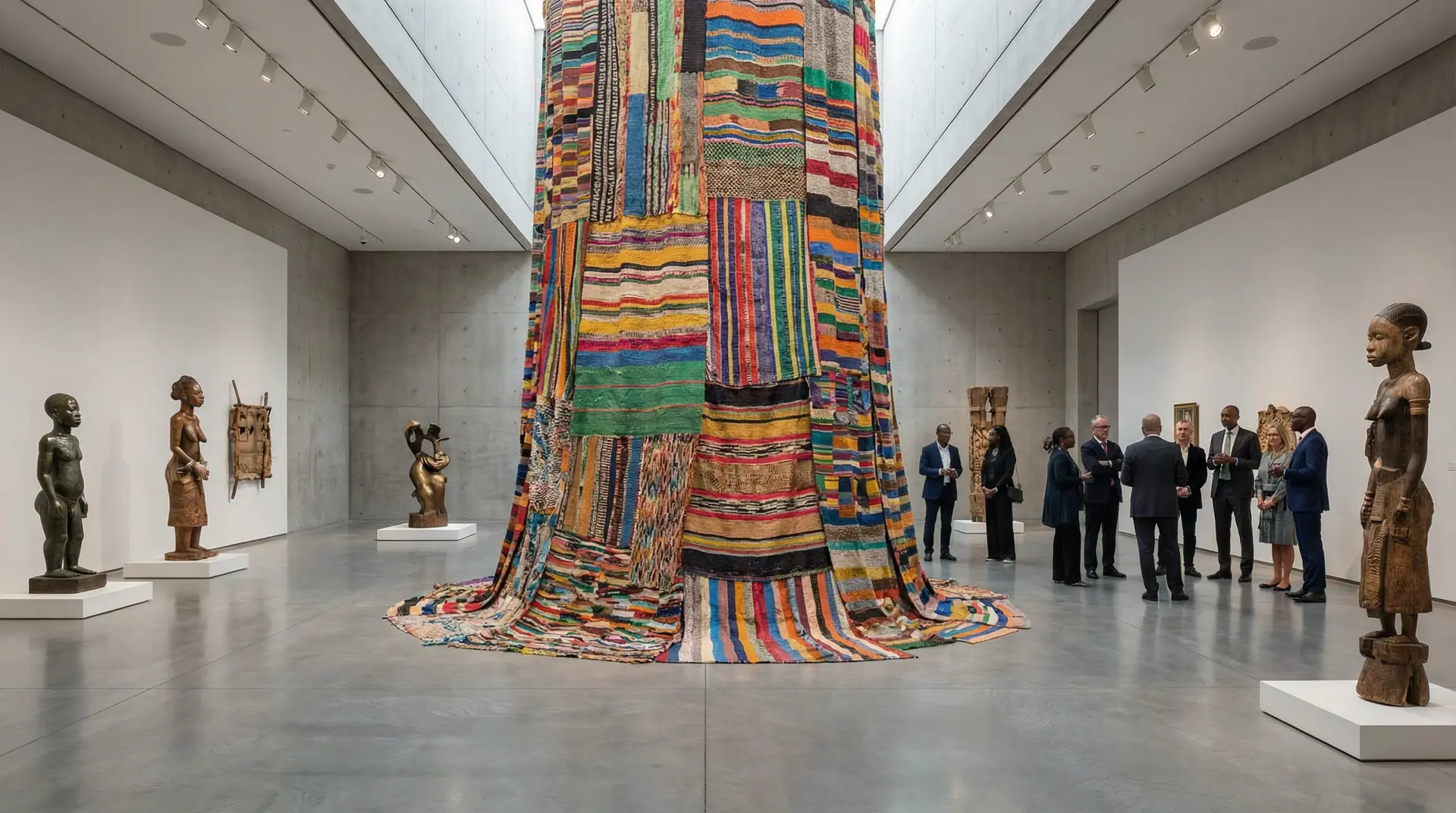
Africa in particular commands serious collector interest in 2026. Major institutions including the Metropolitan Museum of Art and the Museum of Modern Art have expanded their permanent African collections, providing what market observers describe as a safety net for private collectors. The 1-54 Contemporary African Art Fair, founded by Touria El Glaoui in 2013, remains the primary market platform for gallery sales of contemporary African art, with 2025's London edition featuring over 50 exhibitors from 13 countries and 100 artists working across painting, sculpture, photography, textiles, and ceramics.
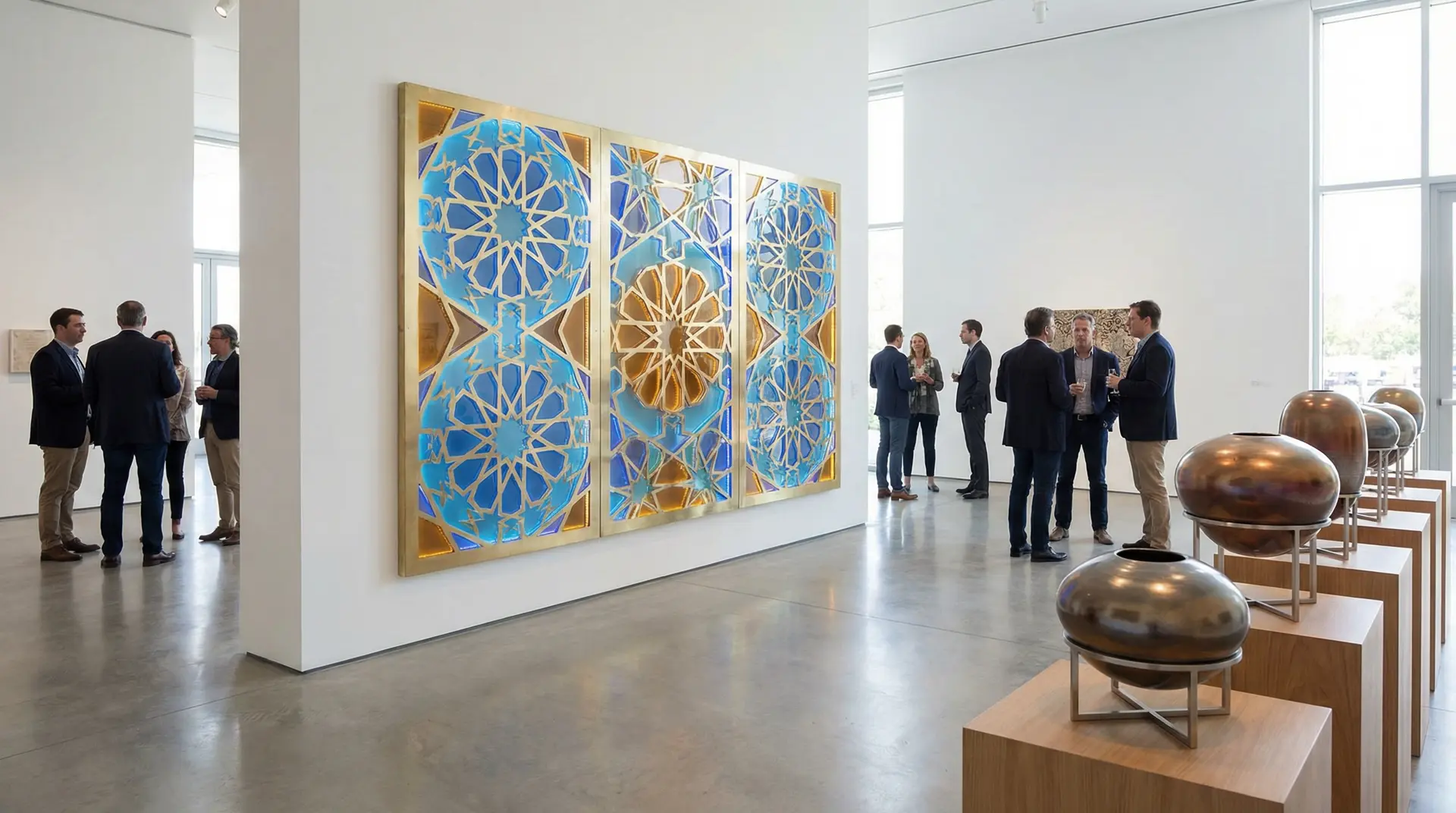
The MENA region similarly offers compelling opportunities as artists revive ancestral techniques through distinctly modern lenses, merging heritage with technology and conceptual frameworks that push artistry into unexpected directions. The Gulf states have shown increasing appetite for contemporary art from across Africa and the broader Middle East, particularly work that bridges regional traditions with global contemporary practice.
Artists Commanding Institutional Attention
Breakout Trajectories
The artists experiencing breakout moments in 2026 share common patterns. Years of ambitious exhibitions, prominent gallery representations, major awards, and significant art fair presentations have laid groundwork for major attention that distinguishes genuine emergence from manufactured hype. These are not overnight sensations but practitioners whose consistent development has finally aligned with institutional recognition and collector demand.
Among the most compelling trajectories involves renewed attention to women artists within historically male-dominated canons. Claire Tabouret's stained-glass commission for Notre-Dame de Paris, with maquettes exhibited at the Grand Palais, represents the kind of prestigious institutional project that signals arrival among collectors watching for artists receiving serious commissions. Such projects demonstrate that institutions are betting on these artists' ability to deliver work that will define spaces for generations.
The integration of African artists into mainstream recognition continues accelerating. As artists achieve prominence, their work migrates from specialized "Africa" sales to general contemporary auctions, where results increasingly exceed those of dedicated African art sales. This mainstreaming indicates market maturity and suggests that collectors who build positions now participate in ongoing integration rather than waiting for prices to reflect full recognition.
Southeast Asian artists are experiencing similar institutional momentum. Singapore, Jakarta, Bangkok, and other regional centers have developed thriving gallery scenes and collector bases that support artists before international recognition arrives. Artists emerging from these contexts often bring perspectives shaped by rapid urbanization, the entanglement between privacy and proximity, and the emotional residue of spaces built for utility yet saturated with memory.
Signals of Genuine Potential
Collectors seeking to identify artists with genuine potential rather than temporary visibility should attend to several indicators. Institutional acquisitions by recognized museums suggest curatorial conviction that extends beyond commercial considerations. Critical writing and publishing in respected journals and catalogues indicates intellectual engagement with the work beyond market promotion. Consistent artistic development visible across multiple exhibitions demonstrates practice depth rather than repetitive production.
Gallery representation by respected programs with track records of artist development matters more than representation by galleries known primarily for rapid market building. Artists who progress through respected residency programs often demonstrate the studio discipline and conceptual rigor that sustains careers. And collector bases that grow steadily over time through genuine engagement rather than speculative trading suggest sustainable demand.
Perhaps most importantly, the work itself should reward sustained attention. Art that reveals new dimensions upon repeated viewing, that prompts thinking beyond initial visual impact, and that connects to broader cultural conversations without sacrificing personal vision tends to maintain relevance as attention shifts elsewhere. Collectors who trust their own engaged responses to work, rather than seeking external validation for every acquisition, often build the most coherent and ultimately valuable collections.
Regional Perspectives
African and Diaspora Artists
The African art market in 2026 continues its transformation from niche interest to cornerstone of diversified investment portfolios. From auction rooms in New York to digital galleries, African artists command record-breaking attention. Major institutions have expanded permanent African collections, creating what analysts describe as institutional demand floors that support private collector confidence.
Established contemporary artists with institutional exhibition histories trade reliably at significant levels. Artists like Amoako Boafo, Toyin Ojih Odutola, Joana Choumali, and Cinga Samson demonstrate the price trajectory that institutional recognition enables. For collectors seeking growth opportunities, artists debuting at 1-54 and appearing in secondary market sales offer entry points where institutional acquisitions serve as validation signals.
The 1-54 fair's expansion reflects broader market development. The Marrakech edition has become a significant moment for institutional collecting, with museums acquiring works through dedicated acquisition funds. This institutional buying creates market stability while signaling which artists command curatorial attention beyond commercial considerations.
For collectors new to African contemporary art, experts recommend focusing on artists with consistent residency histories and mid-tier gallery representation. The price range between $5,000 and $25,000 offers what analysts call the best risk-to-reward ratio, where significant secondary market appreciation occurs. While Nigeria, South Africa, and Ghana lead the market, Ethiopia and Senegal offer what observers describe as undervalued opportunities with high growth potential.
MENA Region Artists
Artists from the Middle East and North Africa are redefining traditions in contemporary art while gaining increasing international visibility. These artists merge heritage with technology and conceptual frameworks, pushing artistry in unexpected directions while maintaining authentic connections to regional traditions and personal narratives.
The inaugural Art Basel Qatar in February 2026 featured 87 galleries from 31 countries presenting 84 solo artist projects, with more than half the artists hailing from the MENASA region. This explicit focus on regional voices, combined with departure from traditional booth formats, created space for presentations to be encountered as part of curatorial narrative rather than commercial transaction. North African artists gained unprecedented exposure within the Art Basel network, potentially opening doors to future participation across the fair's global platforms.
Gulf collectors have shown increasing appetite for work that bridges regional traditions with global contemporary practice. Art Basel Qatar provided direct access to these collectors in a context designed to privilege dialogue over transaction, suggesting that artists building recognition in this market can access collector relationships that extend well beyond individual transactions.
Southeast Asian Emergence
Southeast Asian contemporary art gained significant traction in 2025, with visitor numbers across the region rising and institutional developments commanding international attention. The opening of Dib Bangkok in December 2025 catalyzed broader interest in the region, joining established institutions in Singapore, Jakarta, and elsewhere in building infrastructure that supports sustained artistic development.
Artists emerging from this region often bring distinctly local perspectives while engaging with global contemporary conversations. Rapid urbanization, the relationship between privacy and proximity in dense urban environments, and the preservation of cultural heritage within modernizing societies provide rich conceptual territory that resonates with international audiences while maintaining regional specificity.
The textile practices emerging from the region demonstrate particular vitality, with artists combining ancestral techniques with contemporary conceptual frameworks. Work that operates at once as ancestral and futuristic appeals to collectors seeking connections to craft traditions while engaging with forward-looking artistic practice.
Building an Emerging Art Portfolio
Entry Points and Price Considerations
The most compelling entry points for collectors building emerging art portfolios span distinct tiers that correspond to artist career stages and collector objectives. Tier One (Emerging, $1,000–$5,000) encompasses artists within five years of completing formal training or establishing practice, often represented by project spaces or emerging galleries, with limited exhibition histories but demonstrable artistic vision. Tier Two (Emerging-to-Mid-Career, $5,000–$15,000) includes artists with institutional group show participation, representation by established galleries, and growing collector bases that suggest market traction beyond initial support networks. Tier Three (Mid-Career Breakthrough, $15,000–$50,000) represents artists on the cusp of significant recognition, often with solo institutional exhibitions, museum acquisitions, or major biennial participation that signals imminent price appreciation.
For AURUM readers building serious collections, the Tier Two range between $5,000 and $15,000 offers what analysts identify as the optimal risk-reward position. Works at this level come from artists whose trajectories have demonstrated institutional validation beyond gallery promotion, yet whose prices have not yet absorbed the premium that major recognition commands. This tier allows acquisition of substantial works rather than studies or smaller pieces, building holdings that represent artists at their most ambitious.
Entry-level collectors may begin in Tier One with works from emerging artists or limited-edition prints, building positions that allow participation in multiple trajectories rather than concentrating capital in single acquisitions. This diversification across artists, mediums, geographies, and price points reduces exposure to any single corner of the market while increasing the probability of holding works by artists whose careers develop significantly.
Direct acquisition from artists through studio visits and platforms that connect collectors with artists offers advantages at lower price points. Buying directly at the $1,000 to $3,000 level often bypasses gallery commissions, meaning investment goes directly toward supporting the artist's continued practice. This approach also builds relationships that can provide access to future works and insight into artistic development that informs subsequent acquisition decisions.
Due Diligence Essentials
Before acquiring work by emerging artists, collectors should conduct appropriate due diligence even at accessible price points. Obtain certificates of authenticity for every acquisition, verify exhibition histories through independent research, and document provenance from the moment of purchase. In a market where digital verification is increasingly standard, ensuring every acquisition includes verifiable documentation protects both immediate investment and long-term value.
Research artist trajectories by reviewing exhibition histories, noting which institutions have shown work, which collections have acquired pieces, and what critical writing has addressed the practice. Artists whose work has entered museum collections, even through acquisitions committees or dedicated funds, demonstrate institutional validation that extends beyond commercial promotion.
Consider the relationship between price and exhibition history. Artists with solid institutional exhibition records priced in the $4,000 to $8,000 range represent what analysts identify as prime opportunities, while artists commanding significantly higher prices without comparable institutional support may indicate market positions built on speculation rather than genuine recognition.
Long-Term Perspective
Successful collecting of emerging art requires patience and long-term perspective rather than expectation of rapid returns. Holding periods matter, with most collectors seeing best results when taking medium to long-term views that allow markets to mature, reputations to develop, and demand to stabilize. This timeframe enables participation in genuine career development rather than speculative trading.
A well-structured portfolio typically combines emerging artists with established and blue-chip holdings, each category offering different levels of access, risk, and return. Emerging artists provide potential for significant appreciation but carry higher volatility. Established artists offer more stable markets supported by exhibition histories and collector bases. Blue-chip artists provide stability backed by decades of market data but require greater capital investment.
Monitoring collections as an ongoing practice supports informed decision-making about both additional acquisitions and potential sales. Staying current with market news, exhibition announcements, and auction results helps track how artists in portfolios are developing. Periodic conversations with advisors enable understanding of how holdings position within broader market developments.
Discover artists whose practices demonstrate the depth and coherence that collectors value at Artestial, where the platform connects serious collectors with emerging talent building meaningful careers across diverse practices and geographies.
The Collector's Advantage
Why Now Matters
The current moment offers collectors particular advantages in acquiring emerging art. Market correction from the speculative excesses of recent years has restored emphasis on genuine quality over manufactured hype. Institutional infrastructure continues expanding across regions that historically lacked gallery and museum support, enabling artists from diverse backgrounds to develop practices without relocating to traditional art centers. And younger collectors entering the market with different priorities are reshaping definitions of significance in ways that reward authentic practices over pedigree.
The democratization of access through online platforms and social media means collectors can discover artists directly rather than waiting for galleries or auction houses to anoint the "right" names. This shift creates new definitions of blue-chip potential, where collectors understand they are participating in artists' careers at the most exciting stages rather than acquiring already-validated names at premium prices.
For collectors seeking meaning over price tags, 2026 represents a moment when the essential purpose of art acquisition returns to focus. Finding work that adds meaning, beauty, and emotional resonance to daily life becomes the primary consideration, with potential appreciation a welcome possibility rather than the driving motivation.
Supporting Artistic Development
Collectors who acquire emerging art participate in something beyond investment. They support artistic development at critical career stages, enabling artists to continue practices that might otherwise prove economically unsustainable. This patronage relationship has deep historical roots and continues serving essential functions in contemporary artistic ecosystems.
Many collectors find that relationships with artists whose work they acquire provide satisfactions that established artist acquisitions cannot. Access to studio visits, insight into artistic process, and understanding of conceptual development enrich collecting experiences while informing future acquisition decisions. These relationships often extend across years as both collector and artist develop, creating connections that transcend transactional exchange.
The younger generation of collectors demonstrates pronounced interest in long-term stewardship, with significant majorities planning to pass collections to partners or children and expressing intentions toward philanthropic gifts to institutions. This orientation toward legacy suggests that emerging art acquired today may ultimately enter public collections, extending the impact of collector support well beyond individual ownership.
Practical Guidance
Where to Discover Emerging Artists
Art fairs dedicated to emerging and contemporary art provide concentrated opportunities for discovery. The 1-54 Contemporary African Art Fair in its London, Marrakech, and New York editions offers focused access to African and diaspora artists. Regional fairs across Asia, Latin America, and the Middle East similarly provide introduction to artists building recognition in their home markets while seeking international collectors.
Biennials and triennials across the globe surface artists whose work addresses contemporary concerns with sufficient ambition to warrant curatorial selection. The Venice Biennale remains the most prominent, but biennials in cities from Dakar to Singapore to São Paulo offer earlier access to artists whose trajectories may eventually lead to broader recognition.
Online platforms have democratized discovery, enabling collectors to research artists globally without physical travel. Platforms that provide exhibition histories, critical writing, and price transparency support informed acquisition decisions. Social media offers direct access to artists' practices, though collectors should balance digital discovery with in-person engagement whenever possible.
Building Relationships
The most effective approach to collecting emerging art involves building relationships rather than pursuing transactions. For artists institutions are actively watching, the challenge often lies not in finding the capital but in gaining access to the work. Galleries representing in-demand emerging artists receive far more inquiries than they can accommodate, and allocation decisions favor collectors who demonstrate serious engagement over those who simply express purchasing interest.
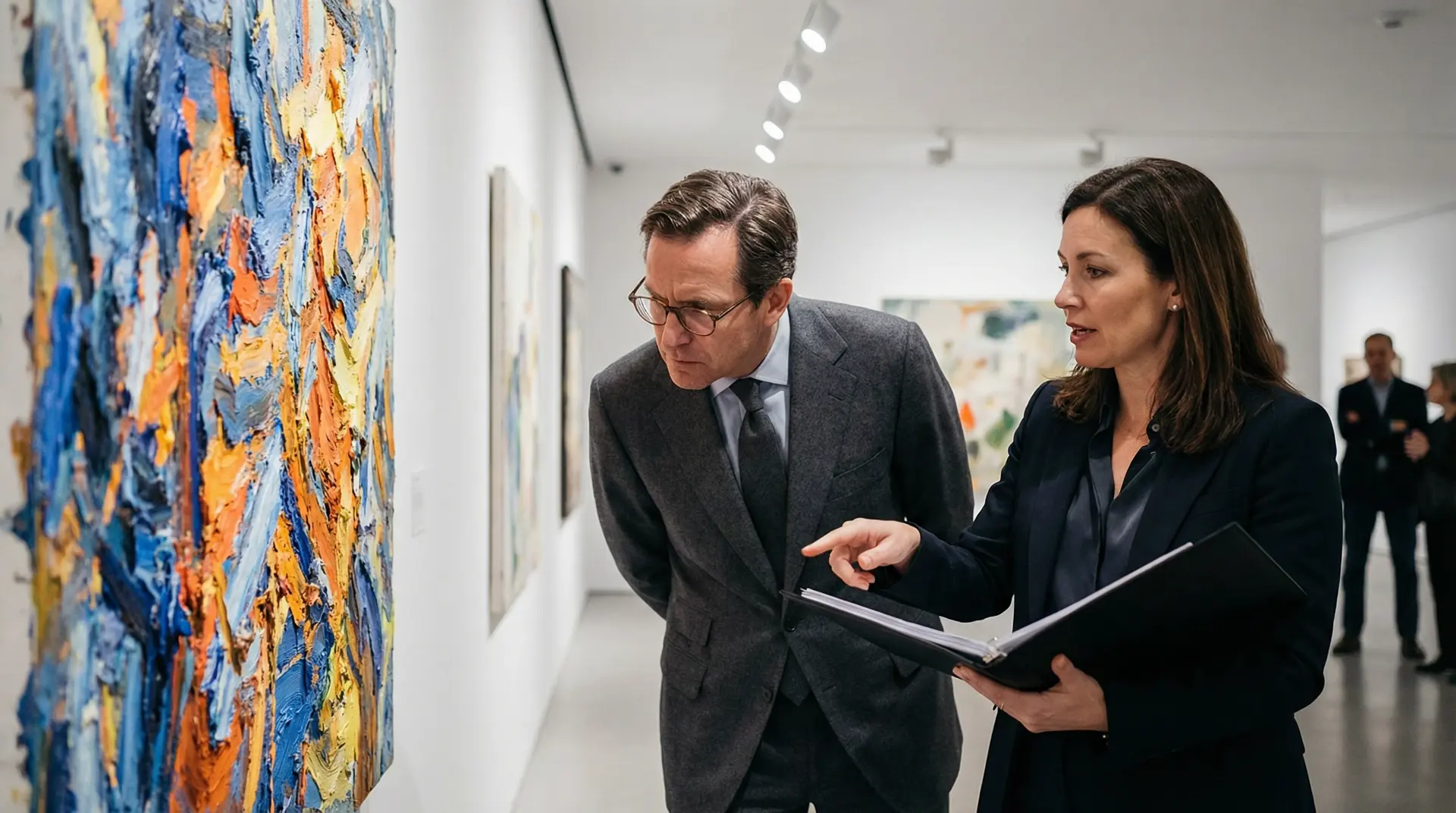
Galleries specializing in emerging artists often welcome conversations with collectors genuinely interested in the artists they represent, but these conversations serve evaluative purposes. Many galleries maintain waiting lists for sought-after artists and request what the trade calls a "Collector PDF" or "Statement of Intent" from prospective buyers. This document typically includes collecting history, institutional affiliations (museum memberships, acquisitions committee participation), other artists in the collection, and intentions for the work (personal display, eventual institutional gift, loan availability). Galleries use this information to place works with collectors whose involvement advances artists' careers rather than simply completing transactions.
For collectors new to this process, building relationships before seeking specific acquisitions proves more effective than approaching galleries transactionally. Attending gallery exhibitions, engaging with programming, and demonstrating genuine interest in artists' development establishes credibility that supports future acquisition conversations. Collectors who build reputations for thoughtful stewardship, willingness to lend works for exhibitions, and eventual institutional gifts gain access that purely financial interest cannot secure.
Studio visits, where artists welcome them, offer understanding of practice that images and exhibition experiences alone cannot provide. Seeing work in progress, understanding materials and processes, and engaging with artists about their conceptual frameworks enriches collecting while informing acquisition decisions.
Engaging with institutions through membership programs, acquisitions committee participation, and attendance at programs provides exposure to curatorial thinking about emerging artists while supporting the institutions that validate and develop artistic careers.
Avoiding Common Mistakes
Collectors new to emerging art often make predictable errors that experience helps avoid. Purchasing based primarily on social media presence without investigating exhibition histories and institutional support risks acquiring work whose visibility depends on promotional skill rather than artistic merit. While online discovery provides valuable access, verification through independent research protects against inflated claims and manufactured attention.
Concentrating acquisitions too heavily in a single region, medium, or aesthetic category creates unnecessary risk. Diversification across geographies, practices, and price points ensures that portfolio performance does not depend entirely on a single market segment's development. Collectors who build broad holdings increase their probability of participating in meaningful trajectories while protecting against declines in any particular area.
Expecting rapid appreciation and planning to flip acquisitions quickly typically disappoints. The emerging art market does not function like speculative trading platforms, and collectors approaching it with short time horizons often encounter illiquidity, transaction costs, and declining prices when attempting quick sales. Those who build collections with genuine long-term commitment, prepared to hold works through career development cycles, position themselves for appreciation that reflects accumulated achievement rather than temporary attention.
That said, collectors should acknowledge that emerging art always carries speculative elements that institutional signals can reduce but never eliminate entirely. Even artists with strong exhibition histories, museum acquisitions, and critical attention can experience market corrections, career interruptions, or shifts in curatorial fashion that affect prices. Following institutional signals represents informed judgment rather than guaranteed outcome. The difference between speculation and informed collecting lies not in eliminating risk but in building positions based on substantive evidence of artistic merit and career trajectory rather than promotional momentum or market hype alone.
Neglecting proper documentation and storage from acquisition onward can damage both physical works and their market value. Even relatively modest emerging art acquisitions deserve appropriate framing, climate control, and documentation. Damage occurring through improper handling or storage reduces value significantly, while incomplete provenance documentation complicates future sales or donations.
Ready to build a collection with artists whose trajectories point toward recognition? Visit Artestial where collectors discover emerging talent whose practices demonstrate genuine depth and cultural significance, or connect with specialists for guidance on identifying artists whose work rewards serious collecting attention.
Frequently Asked Questions
What price range should new collectors consider for emerging art? Entry-level collectors often find the $1,000 to $10,000 range offers the best opportunities for building diverse holdings of quality work. Works priced around $5,000 from artists with solid exhibition histories but no significant auction records represent prime growth opportunities, offering museum-quality aesthetics at accessible price points. Direct purchase from artists or through platforms that reduce gallery commissions can stretch budgets further while building relationships that provide ongoing access. Collectors should prioritize quality over quantity, acquiring fewer works of genuine merit rather than accumulating pieces of uncertain significance.
How can I distinguish genuine emerging talent from temporary market attention? Several indicators help distinguish genuine potential from manufactured visibility. Institutional acquisitions by recognized museums suggest curatorial conviction beyond commercial promotion. Critical writing in respected publications indicates intellectual engagement with the work. Consistent artistic development across multiple exhibitions demonstrates practice depth rather than repetitive production. Gallery representation by programs with track records of artist development matters more than representation by galleries known primarily for rapid market building. And the work itself should reward sustained attention, revealing new dimensions upon repeated viewing rather than exhausting its interest quickly.
Which regions offer the most compelling opportunities for emerging art collecting in 2026? African contemporary art continues commanding serious collector attention, with institutional demand from major museums providing market stability while artists debut at fairs like 1-54 at accessible price points. The MENA region offers artists bridging heritage techniques with contemporary practice, gaining visibility through Art Basel Qatar and regional institutional development. Southeast Asia's gallery infrastructure has matured considerably, supporting artists whose perspectives on urbanization, cultural preservation, and regional identity resonate internationally. Collectors should research multiple regions rather than concentrating geographically, building diverse holdings that benefit from recognition spreading across different markets at different rates.
What documentation should I require when acquiring emerging art? Every acquisition should include a certificate of authenticity signed by the artist or their representing gallery. Document provenance from the moment of purchase with receipts, correspondence, and any exhibition history the work carries. Photograph works upon acquisition for insurance and documentation purposes. Condition reports, while less common for new work, establish baseline documentation that protects against future disputes. In markets where digital verification is increasingly standard, blockchain-verified provenance may add value for certain practices, though this remains supplementary rather than essential for most acquisitions.
How long should I expect to hold emerging art before seeing significant appreciation? Collectors should approach emerging art with medium to long-term perspective rather than expectation of rapid returns. While some artists experience dramatic price acceleration within a few years, most meaningful appreciation occurs over five to ten year horizons as careers mature, institutional recognition accumulates, and markets stabilize around established demand. Collectors who expect to flip emerging acquisitions quickly often encounter illiquid markets and disappointing results. Those who hold through career development cycles, maintaining works through early exhibition successes and building institutional recognition, position themselves to benefit when prices reflect accumulated achievement rather than speculative potential.
Curating excellence, one insight at a time.
— AURUM Team
Disclaimer: This article provides general information about emerging artist collecting and market trends for educational purposes only. It does not constitute investment, financial, or legal advice. Art markets involve substantial risk, and emerging artist prices can decline as well as appreciate. Past performance by individual artists does not guarantee future results. The author has no financial relationship with any gallery, platform, fair, or artist mentioned. All market observations reflect analysis available at time of writing and may not represent current conditions. Readers should conduct independent research and consult qualified advisors before making significant acquisition decisions.