

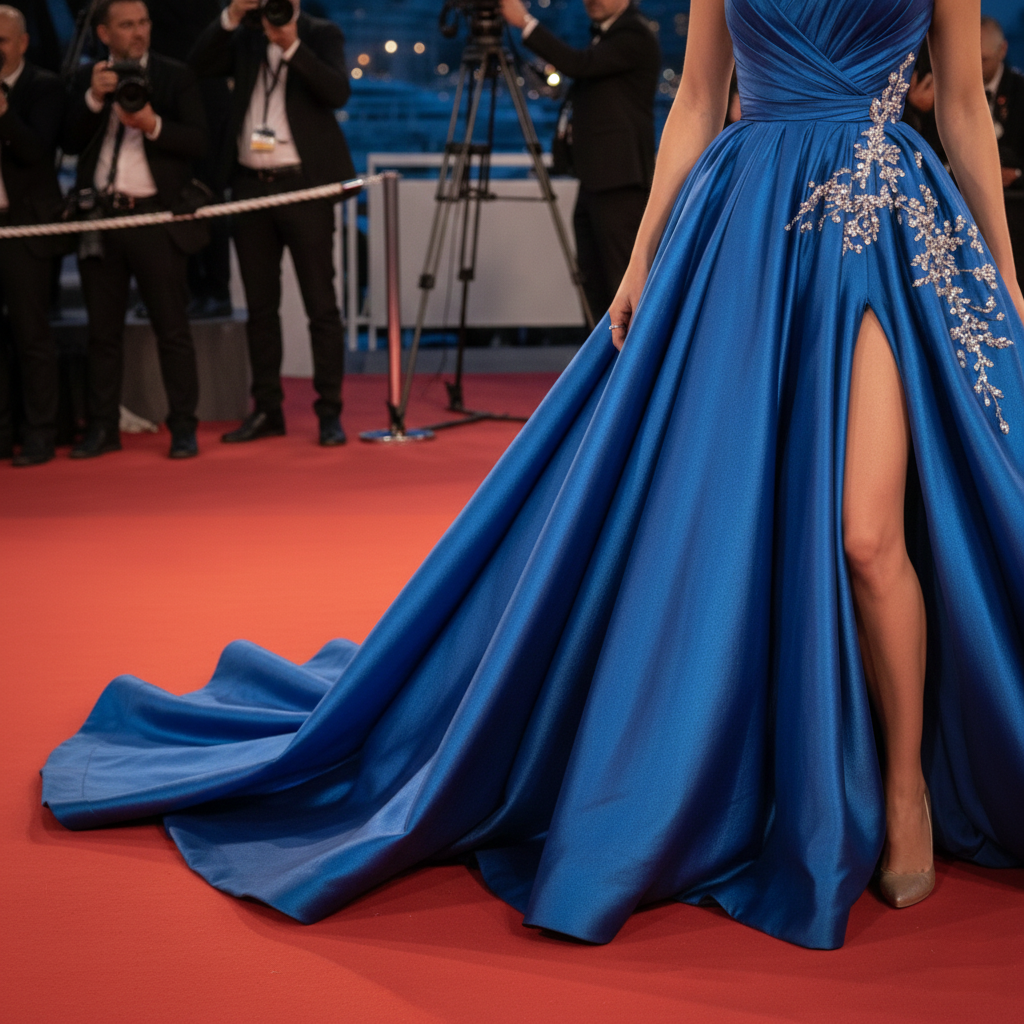
The Valentino atelier completed the gown three days before Cannes opened. Forty meters of silk organza, 18,000 hand-applied crystals, and 600 hours of embroidery created what Pierpaolo Piccioli called "a moving sculpture." When the actress emerged from her limousine at the Palais des Festivals, fashion historians immediately compared the moment to Audrey Hepburn's Givenchy appearances—except this gown would never be worn again. After the festival, it would enter a private collection alongside contemporary art and vintage couture, insured for €2 million.
This scene captures Cannes Film Festival's evolution beyond a cinema celebration into a nexus where fashion, film, and collecting culture converge with spectacular results. The 79th edition, scheduled for May 13-24, 2026, continues this tradition as luxury houses compete for red carpet supremacy, celebrity stylists curate museum-quality presentations, and sophisticated collectors recognize that exceptional fashion moments represent investable cultural artifacts.
For collectors who understand luxury markets across categories—from blue-chip art to classic automobiles—Cannes offers insights into how celebrity culture, fashion craftsmanship, and film history create value that transcends any single medium. The festival's red carpet has become the world's most photographed runway, where a single appearance generates more media impressions than entire fashion week presentations, and where the garments themselves increasingly trade as collectibles commanding prices comparable to contemporary art.
The Cannes Convergence: Why Fashion Houses Invest Millions in Festival Presence
Luxury fashion houses approach Cannes with strategic intensity matching gallery preparations for Art Basel. The investment—estimated at €500,000 to €3 million per major house—covers custom couture creation, celebrity partnerships, accommodation for design teams, and the infrastructure supporting these theatrical presentations. Yet houses consider this essential marketing, generating billions in media value while positioning brands within cinema's cultural prestige.
Chanel has maintained a Cannes presence since the 1980s, clothing generations of actresses in instantly recognizable tweeds and evening wear. Karl Lagerfeld understood that Cannes appearances created fashion history—the same way museum acquisitions validate contemporary artists. When Marion Cotillard ascended the Palais steps in Chanel Haute Couture for her Best Actress win in 2008, that moment entered fashion's permanent archive, referenced in exhibitions and scholarly literature.
Dior's Cannes strategy exemplifies the art-fashion intersection. Creative Director Maria Grazia Chiuri collaborates with the festival's official selection, creating costumes for competition films while dressing actresses for premieres. This dual approach—participating in film production while dominating the red carpet—positions Dior as both patron and protagonist. The house maintains a Cannes atelier throughout the festival, making last-minute adjustments and managing wardrobe emergencies with the precision of museum conservators handling Old Masters.
Valentino, Armani Privé, Schiaparelli, and Givenchy similarly invest in Cannes dominance. Their competition creates an unofficial "Best Dressed" tournament that fashion media covers with intensity matching film critics' premiere reviews. A single standout moment—think Lupita Nyong'o's Prada headband in 2015 or Bella Hadid's red Dior gown in 2022—generates coverage worth tens of millions in traditional advertising while establishing cultural moments that collectors later seek to acquire.
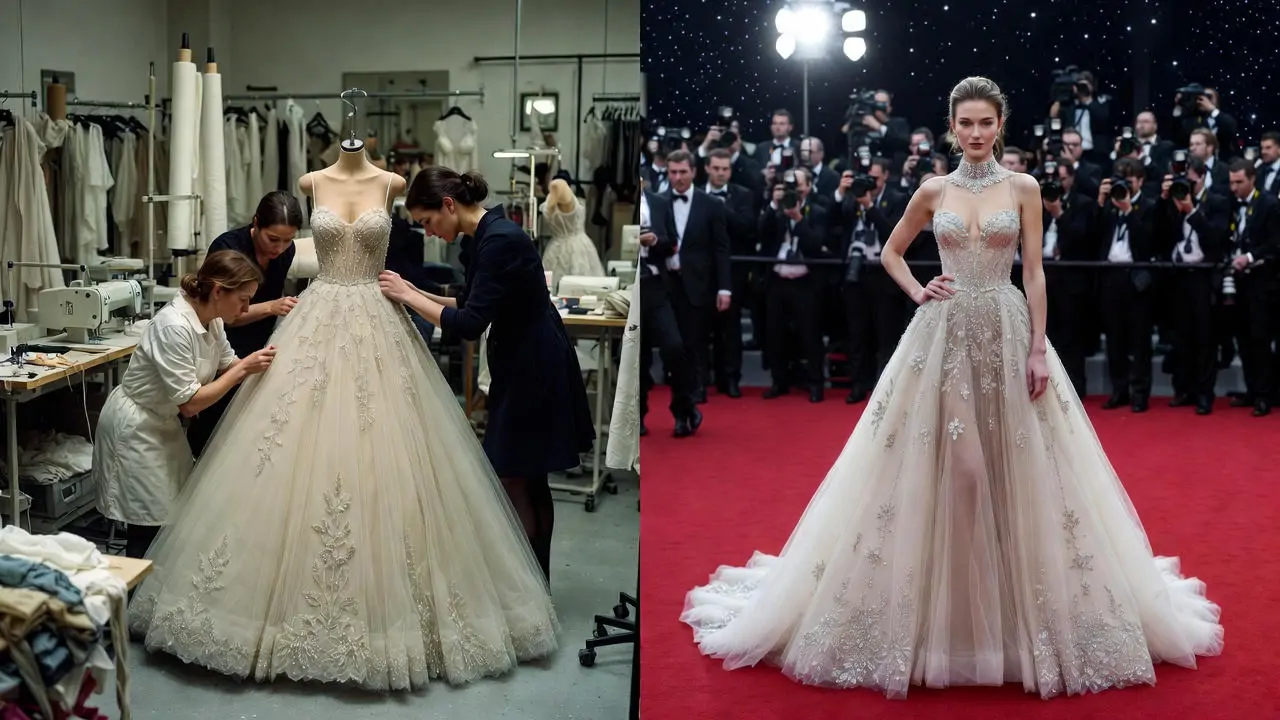
The return extends beyond publicity. Fashion houses gain access to A-list talent for future campaigns, build relationships with stylists who influence celebrity wardrobes year-round, and demonstrate technical capabilities that justify haute couture's extraordinary pricing. When collectors pay €50,000-€200,000 for couture gowns, Cannes presentations provide the cultural validation supporting those valuations.
Red Carpet as Runway: The Theatrical Architecture of Celebrity Fashion
The Palais des Festivals' red carpet—60 meters long, positioned on broad stairs leading to the main entrance—functions as perhaps the world's most famous runway. Its theatrical architecture—the ascending stairs creating dramatic reveals, the Mediterranean backdrop providing natural beauty, the massed photographers ensuring comprehensive documentation—transforms simple entrances into choreographed performances where fashion becomes spectacle.
Celebrity stylists approach Cannes appearances with curatorial rigor matching museum exhibitions. Law Roach, who styles Zendaya and Celine Dion, spends months planning Cannes presentations. He considers the specific film premiere, the time of day affecting lighting, the background architecture, and how garments photograph from various angles. "It's three-dimensional art direction," Roach explained in a 2025 interview. "You're creating an image that needs to work from every perspective—front, side, back, from below as they ascend, and in motion."
This meticulous approach explains why certain Cannes moments achieve instant iconography. When Rihanna appeared at Cannes 2017 in a Comme des Garçons sculptural coat, the look combined fashion innovation, celebrity charisma, architectural setting, and perfect timing—the golden hour light creating shadows that emphasized the coat's geometric construction. Fashion historians now discuss that moment alongside Alexander McQueen's seminal runway presentations—it was performance art executed through celebrity fashion.
The ascending stairs introduce dynamic elements absent from traditional runways. Gowns must function in motion, revealing construction details as fabric moves. Trains extending several meters create dramatic effects but require management to avoid mishaps. Jewelry catches light during the climb, creating moments photographers prize. The best Cannes looks consider these factors, functioning as both static fashion and kinetic sculpture.
Film premieres add narrative context missing from fashion shows. An actress wearing Armani Privé to her own film's premiere creates storytelling layers—the character she portrays, her personal brand, the designer's vision, and the film's themes all intersect in a single look. When Cate Blanchett wore archival Armani Privé at Cannes 2015, the vintage choice commented on sustainability while demonstrating that great design transcends seasons—concepts resonating with art collectors who prize timelessness over trends.
Film Memorabilia Meets Fashion: The Collecting Crossover
Sophisticated collectors increasingly recognize that exceptional fashion—particularly pieces with documented Cannes history—represents cultural artifacts deserving preservation and investment consideration. Auction houses now host dedicated fashion sales featuring red carpet gowns, with provenance documentation rivaling fine art catalogs.
Christie's and Sotheby's have sold multiple Cannes-worn gowns for six figures. Princess Diana's Victor Edelstein gown, worn to Cannes 1987, achieved £151,000 in 2013—the Cannes provenance significantly enhancing value beyond the designer's typical auction results. More recently, Lupita Nyong'o's blue Prada gown from Cannes 2014 was preserved by the actress specifically for future museum exhibitions, recognizing its cultural significance.
The market for film memorabilia—costumes worn in films, props, scripts, production materials—reached $500 million annually in 2024, growing 40% from pre-pandemic levels. Cannes-premiered films contribute significantly, as festival prestige adds value to associated memorabilia. When "Barbie" premiered at Cannes 2023, the custom pink Valentino gown worn by Margot Robbie became immediately collectible—it later appeared in traveling "Barbie" exhibitions, functioning as both fashion artifact and film history.
Discover investment-grade contemporary art at Artestial, where fashion, film, and fine art converge through shared emphasis on provenance and cultural significance.
Collectors approach fashion acquisition using frameworks familiar from art investing. Provenance documentation—photographs, certificates of authenticity, chain of custody records—proves essential. Designer significance matters: a Cannes gown by Chanel or Dior commands premiums over lesser-known houses. Celebrity association dramatically impacts value: Marion Cotillard's Oscar night gown is worth more than identical pieces without such history. Cultural moment creation—looks that become instantly iconic versus merely beautiful—separates investment-grade pieces from ephemera.
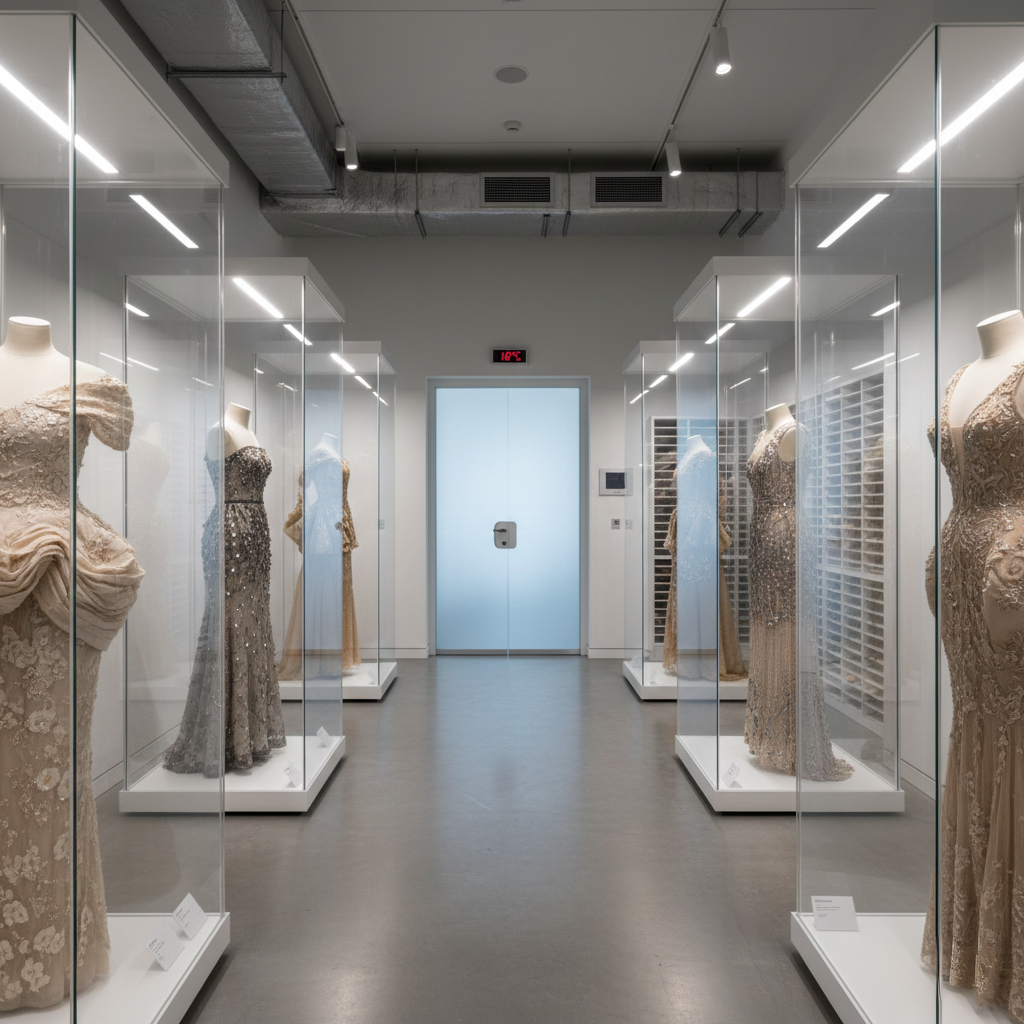
Conservation requirements mirror fine art. Museum-quality storage—climate control, acid-free materials, proper support structures—prevents deterioration. Insurance specialists treat significant fashion pieces like artworks, with agreed-value policies and specific coverage for exhibitions and loans. Major collectors maintain relationships with textile conservators who can restore vintage pieces or preserve contemporary acquisitions for future generations.
The intersection of film and fashion collecting creates unique opportunities. A collector might acquire the gown worn to a film's Cannes premiere alongside posters, scripts, or production photographs from that same film—building thematic collections that tell comprehensive stories. These narrative-driven collections often achieve premium valuations when sold as complete archives rather than individual pieces.
Cinema's Influence on Contemporary Art Markets
Cannes' cultural prestige extends beyond fashion into contemporary art, where film influences artistic practice and collector behavior significantly. Artists including Cindy Sherman, Douglas Gordon, and Steve McQueen work directly with moving images, creating video installations and conceptual cinema that major museums acquire. Their presence at Cannes—Gordon won the festival's Technical Grand Prize, McQueen took Best Film for "12 Years a Slave"—validates cinema's position within contemporary art discourse.
The art market responds accordingly. Film stills, particularly from auteur directors, trade actively as fine art photography. A Hiroshi Sugimoto "Theater" series photograph—long-exposure images of movie screens showing entire films as white light—sells for $100,000-$400,000. Original film posters, especially for Cannes Palme d'Or winners, appreciate steadily. A 1960 "La Dolce Vita" poster recently achieved $85,000 at auction, its Cannes premiere history enhancing value.
Contemporary artists mine Cannes' history for inspiration. Pierre Huyghe created installations reconstructing festival mythology. Ed Ruscha's Hollywood paintings reference the glamour culture Cannes epitomizes. Collectors who understand these connections build sophisticated holdings spanning film memorabilia, fashion, and contemporary art—unified by cultural themes rather than medium boundaries.
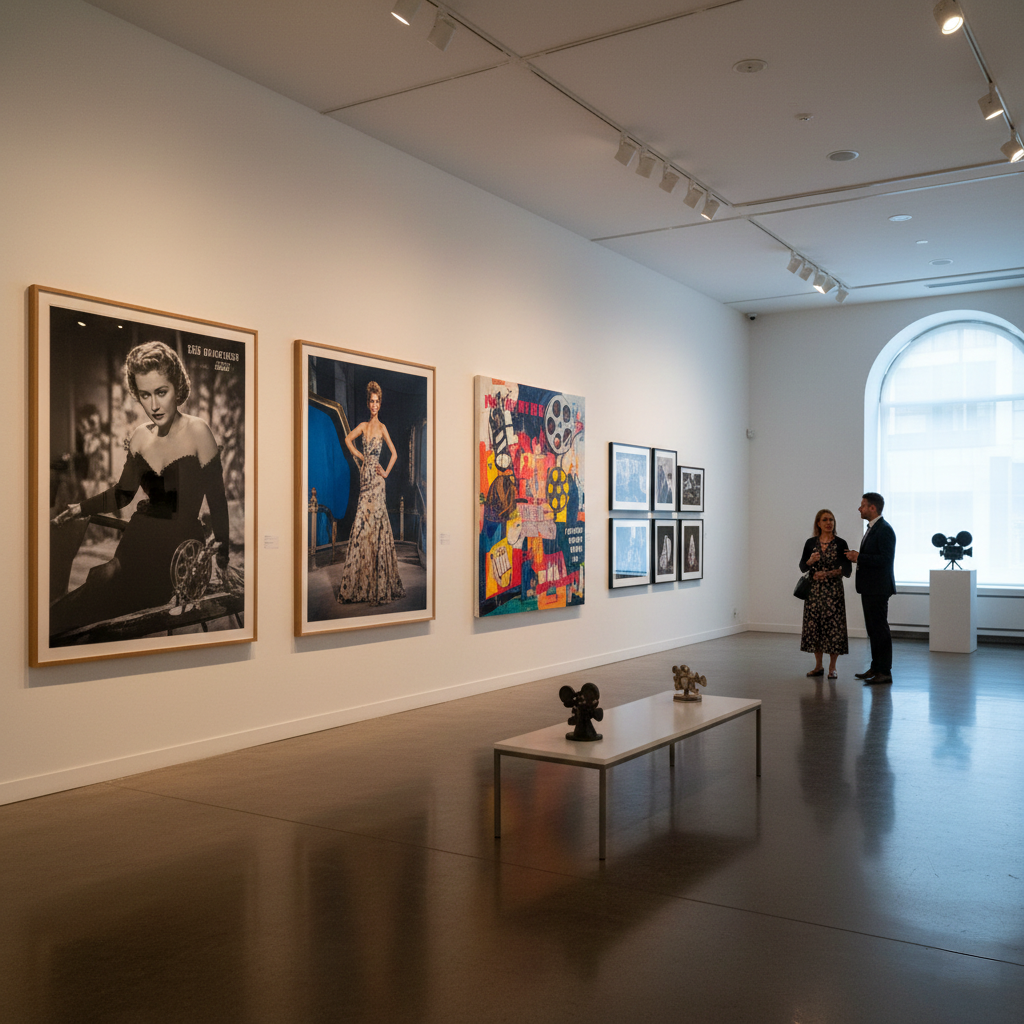
Art Basel and Cannes schedule proximity (Basel in June, Cannes in May) allows collectors to attend both events during European travel, treating the circuit as a comprehensive cultural engagement rather than isolated events. Major collectors maintain homes in Cannes, Monaco, and Basel, facilitating participation in this luxury calendar. This lifestyle integration—where art fairs, film festivals, and fashion weeks structure annual schedules—defines UHNWI cultural consumption patterns.
Photography and the Commodification of Celebrity Moments
Fashion photography achieved fine art status decades ago—think Irving Penn, Richard Avedon, Helmut Newton. Red carpet photography now follows a similar trajectory, with images from Cannes achieving collectible status. Getty Images maintains extensive Cannes archives, licensing historical photographs for commercial use, while select images enter fine art markets.
Limited edition prints of iconic Cannes moments—properly licensed, numbered, and authenticated—sell through galleries specializing in celebrity photography. A 16x20-inch print of a significant fashion moment might retail for $2,000-$5,000, with prices increasing for larger formats or particularly historic images. Photographers, including Pascal Le Segretain and Vittorio Zunino Celotto, have achieved recognition specifically for Cannes work, their images appearing in fashion exhibitions worldwide.
The digital era paradoxically enhanced photographic collectibility. While millions of images circulate freely online, physical prints with authentication and limited editions gain value as tangible artifacts of digital moments. Collectors acquire these prints as contemporary art, framing them alongside paintings and sculptures in residential displays that celebrate cultural moments rather than medium hierarchies.
Social media transformed Cannes photography's economics. A single Instagram post by Zendaya or Timothée Chalamet reaches 150+ million followers instantly, generating engagement worth millions in advertising equivalents. Fashion houses now factor social media impact into return calculations, sometimes valuing Instagram reach above traditional press coverage. This democratization paradoxically reinforces luxury's value—wider awareness drives aspirational demand, supporting high-end pricing.
Investment Perspective: Fashion and Film as Alternative Assets
Sophisticated investors increasingly view exceptional fashion and film memorabilia as legitimate alternative assets deserving portfolio allocation. Knight Frank's 2024 Wealth Report noted that "cultural collectibles"—encompassing fashion, film memorabilia, and photography—appreciated 25% over five years, outperforming several traditional alternatives.
The investment thesis rests on multiple factors. The cultural significance of major film festivals and fashion moments creates lasting value. Limited supply—haute couture pieces are one-of-a-kind—ensures scarcity. Growing collector base—younger UHNWI embrace fashion collecting—expands demand. Institutional validation—museums exhibit fashion and film materials—provides cultural legitimacy supporting valuations.
However, fashion and film memorabilia present challenges absent from art collecting. Authentication can prove difficult without comprehensive documentation. Condition vulnerability—textiles deteriorate faster than canvas or bronze—requires expensive conservation. Market depth remains limited compared to art—finding buyers for seven-figure fashion pieces demands patience. Trend sensitivity—designer reputations fluctuate—introduces volatility.
Experienced collectors mitigate risks through familiar strategies: Buy quality—focus on major designers and documented provenance. Proper storage—museum-standard conservation prevents deterioration. Long holding periods—fashion appreciates slowly but steadily. Diversification—combine fashion with art, jewelry, and watches rather than concentrated holdings. Expert advisors—work with specialists who understand authentication and market dynamics.
The Cannes connection enhances investment potential significantly. Festival provenance adds documented cultural significance that supports valuations and facilitates resale. Gowns worn to Palme d'Or-winning film premieres carry particular cachet. Celebrity associations—especially A-list actresses at career peaks—create emotional resonance, driving collector interest beyond pure aesthetics.
The 2026 Festival: What Collectors Watch
Cannes 2026 promises significant collecting opportunities across categories. The 79th edition celebrates cinema's resilience post-pandemic while embracing technological changes, including AI-assisted filmmaking and virtual production techniques—themes resonating with contemporary art's technology discourse.
Expected highlights include retrospectives honoring legendary directors, potentially releasing archival materials into collectors' markets. New films from established auteurs—Denis Villeneuve, Greta Gerwig, Christopher Nolan—will premiere alongside emerging voices, creating memorabilia with future appreciation potential. Fashion houses will debut couture pieces destined for museum exhibitions, with savvy collectors already negotiating post-festival acquisitions.
The festival's Out of Competition section often features commercially successful films—potential blockbusters whose memorabilia markets develop quickly. Competition entries, particularly Palme d'Or contenders, gain cultural prestige that enhances associated collectibles' long-term value. Short film winners sometimes become collectible as directors achieve later success—early Spike Jonze or Wes Anderson materials now command premiums reflecting their subsequent careers.
Collectors attending Cannes 2026 should monitor auction house preview exhibitions—Christie's, Sotheby's, and Artcurial schedule sales during the festival. Private dealers host invitation-only viewings of fashion archives and film memorabilia. Gallery openings in Cannes and nearby Nice feature contemporary art engaging with cinema themes, offering acquisition opportunities at more accessible price points than major art fairs.
Conclusion: Where Culture Becomes Capital
Cannes Film Festival's transformation into a convergence point for cinema, fashion, and collecting culture reflects broader shifts in how sophistication and wealth express themselves. Previous generations demonstrated status through singular focus—art collecting, fashion patronage, or film production. Contemporary UHNWIs embrace the cultural omnivores' approach, recognizing that excellence transcends medium boundaries and that the most interesting collections tell stories across categories.
The festival's red carpet exemplifies this synthesis. A single appearance combines haute couture craftsmanship, celebrity cultural capital, architectural setting, photographic documentation, social media amplification, and potential museum preservation—creating layered meaning that pure fashion or pure celebrity cannot achieve alone. Collectors who understand these intersections build holdings that appreciate both financially and culturally.
For collectors considering fashion and film memorabilia alongside traditional art, Cannes offers annual education in how cultural moments achieve lasting value. The most successful investors attend not as tourists but as students, studying which moments generate genuine cultural impact versus fleeting social media virality, learning to distinguish museum-quality pieces from merely expensive ephemera, and building relationships with the specialists—stylists, dealers, conservators—who facilitate serious collecting in these emerging categories.
Explore Artestial's curated collections where fashion photography, film-influenced contemporary art, and traditional mediums converge through shared commitment to cultural significance and investment quality.
Whether you're acquiring your first piece of red carpet fashion or adding contemporary art influenced by cinema to established holdings, approach Cannes 2026 with the same rigor applied to Art Basel acquisitions. The festival rewards informed collecting across categories while providing the aesthetic pleasure that makes cultural engagement worthwhile—financial appreciation proving almost secondary to the privilege of preserving humanity's creative achievements at their finest.
Frequently Asked Questions
How much does red carpet couture worn at Cannes typically cost at auction?
Cannes-worn couture prices vary dramatically based on designer, celebrity, cultural significance, and condition. Entry-level pieces from contemporary designers worn by supporting actresses might achieve $5,000-$15,000. Mid-tier examples—major designers worn by known actresses—typically sell for $25,000-$75,000. Iconic moments—think Grace Kelly-level significance—can exceed $100,000-$500,000. Princess Diana's Cannes gowns consistently achieve six figures. However, most red carpet fashion never reaches public auction, instead entering private collections or museum archives directly from celebrities or fashion houses.
Can I actually acquire fashion worn at Cannes, or do designers retain ownership?
Ownership varies by arrangement. Some designers gift gowns to celebrities after events, particularly for longtime brand ambassadors. Others loan pieces requiring return after use, though celebrities sometimes negotiate purchases afterward. Stylists occasionally broker acquisitions on collectors' behalf. Auction houses occasionally sell Cannes fashion through celebrity estate sales or when actresses choose to deacquisition pieces. The most reliable acquisition channel involves working with specialized dealers who maintain relationships with stylists, celebrities, and fashion houses—they can source specific pieces or alert collectors when significant items become available.
How do I authenticate fashion memorabilia claiming Cannes provenance?
Authentication requires multiple verification layers. Start with photographic documentation—Getty Images and AFP archives comprehensively photograph Cannes red carpet events, providing visual proof. Designer authentication—most major houses maintain archives and can verify pieces that originated from their ateliers. Celebrity or stylist confirmation—documentation from the wearer or their team adds credibility. Forensic examination—textile experts can analyze construction techniques, materials, and labels to confirm period and origin. For significant purchases, engage specialists who combine these methods while examining for restoration, alterations, or misrepresentation. Never rely solely on seller claims—independent verification proves essential.
Does Cannes fashion appreciate as reliably as fine art?
Fashion appreciation follows different patterns than art. Blue-chip art by established masters shows relatively predictable appreciation—5-10% annually for quality works. Fashion experiences more volatility—designer reputations fluctuate, fashion trends change, and condition issues affect value unpredictably. However, truly iconic pieces—those achieving cultural landmark status—can appreciate dramatically, sometimes 20-50% annually following initial acquisition. The key distinguishing factor: art markets have centuries of data; fashion collecting emerged recently. This makes fashion potentially higher risk and potentially higher reward. Diversified collectors might allocate 5-10% of alternative assets to fashion while maintaining art as a portfolio foundation.
What preservation requirements do couture gowns require?
Museum-quality preservation proves essential for investment-grade fashion. Climate control—60-65°F and 50% relative humidity—prevents deterioration. Acid-free storage materials—tissue paper, boxes, and garment bags—avoid chemical damage. Proper support—padded hangers or specialized mannequins—prevents stress on delicate fabrics. Light protection—storage in darkness or UV-filtered display—preserves colors and prevents fading. Professional conservation—annual inspections by textile specialists—catch issues early. Budget $500-$2,000 annually per piece for proper storage and conservation. These costs must factor into return calculations—a gown appreciating 10% annually but requiring 2% annual conservation expense yields 8% net returns.
Ready to explore where cinema, fashion, and art converge? Visit Artestial's curated collections featuring fashion photography, film-influenced contemporary art, and cultural artifacts from the world's most prestigious events, or connect with our specialists for guidance on building collections that span traditional and emerging categories with equal sophistication.
Curating excellence, one insight at a time.
— AURUM Team
Disclaimer: This article is for informational purposes only and does not constitute financial, investment, or collecting advice. Fashion and film memorabilia markets fluctuate based on multiple factors, including celebrity status changes, designer reputation shifts, condition deterioration, and evolving collector preferences. Past appreciation does not guarantee future returns. Authentication, conservation, insurance, and storage costs significantly impact net returns. Market liquidity for high-value fashion remains limited compared to traditional art markets. Consult qualified specialists, conservators, and financial advisors before making significant acquisitions. Observations reflect industry knowledge as of early 2026 and may not apply to specific situations.