

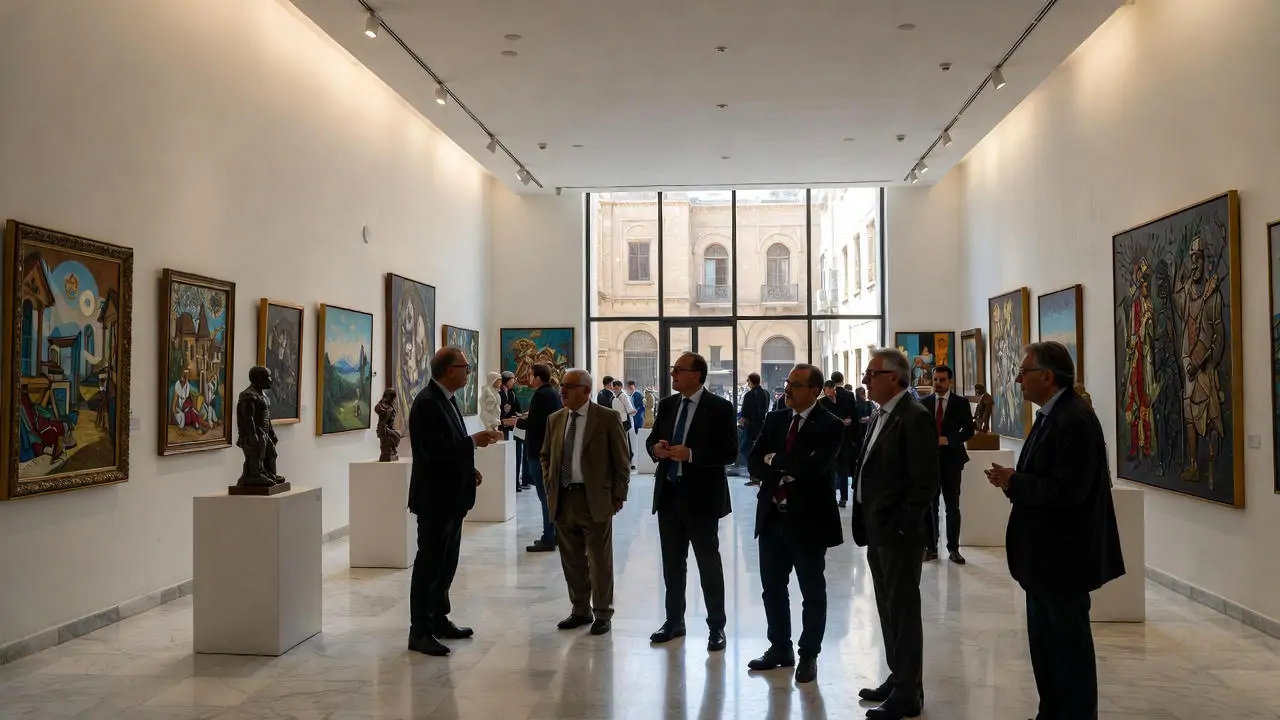
The collector from London stood before a large-scale canvas by Ghada Amer at Cairo's Gypsum Gallery, calculating. The work—priced at $45,000—would cost $120,000 in New York or London galleries. "Egyptian artists remain criminally undervalued," she told the gallery director. "When the market corrects, early collectors will see 200-400% returns." She acquired three works that afternoon, joining sophisticated collectors recognizing that Egypt's contemporary art scene represents one of the last underpriced opportunities in global markets.
This assessment reflects growing consensus among international collectors, dealers, and advisors monitoring Middle Eastern art markets. While Dubai and Abu Dhabi captured attention through mega-museums and art fairs, Cairo quietly developed one of the region's most vibrant contemporary scenes—significant galleries, internationally trained artists, institutional infrastructure, and collector base creating conditions for substantial market development. Yet pricing remains dramatically below comparable markets, creating asymmetric opportunity for collectors who engage before global recognition drives corrections.
For collectors building positions in emerging markets or seeking geographic diversification beyond Western blue-chip concentration, Egyptian contemporary art offers compelling value proposition. The combination of undervaluation, artistic quality, institutional validation, and regional market growth creates investment thesis comparable to early positions in Chinese contemporary art (1990s-2000s) or Indian contemporary art (2000s-2010s)—categories that delivered 500-1000%+ returns to prescient collectors.
The Egyptian Advantage: Why This Market Matters Now
Egypt's contemporary art market exhibits multiple characteristics that distinguish compelling investment opportunities from speculative gambles. Understanding these fundamentals clarifies why sophisticated collectors are allocating capital despite Egypt's economic challenges and political uncertainty.
Cultural Heritage as Competitive Advantage
Egyptian artists inherit 5,000+ years of visual culture—pharaonic iconography, Coptic traditions, Islamic geometric patterns, colonial-era modernism. This heritage provides aesthetic vocabulary that Western contemporary art cannot access authentically, creating distinctive visual language immediately recognizable as Egyptian while remaining universally legible.
Artists including Wael Shawky, whose elaborate historical narratives combine ancient themes with contemporary critique, or Ghada Amer, whose embroidered canvases reference Islamic decorative traditions while addressing feminist themes, demonstrate how cultural depth translates to artistic sophistication. International curators and collectors value this authenticity—work that engages meaningfully with specific cultural contexts rather than merely imitating Western contemporary art conventions.
This cultural advantage becomes increasingly valuable as global art markets diversify beyond Euro-American dominance. Museums and collectors seeking non-Western perspectives drive demand for artists whose work offers genuine cultural specificity. Egyptian artists positioned at intersection of ancient heritage and contemporary practice benefit disproportionately from this demand.
Institutional Validation Without Price Correction
Major international institutions have validated Egyptian contemporary art through acquisitions and exhibitions—the Metropolitan Museum, British Museum, Guggenheim, Centre Pompidou all hold works by Egyptian artists. The Sharjah Biennial, Venice Biennale, and documenta have featured Egyptian artists prominently. This institutional recognition typically drives market appreciation; yet Egyptian artist prices remain 50-70% below comparable internationally recognized artists from other regions.
Wael Shawky's elaborate video installations show at major museums worldwide, with works in permanent collections including MoMA and Tate Modern. Yet his market prices remain accessible at $30,000-$150,000 for significant works—figures that comparable Western artists with similar institutional validation would exceed by 3-5x. This disconnect creates opportunity: institutional validation provides downside protection while undervaluation offers upside potential.
Regional Market Development and UHNW Growth
The Middle East's UHNW population grows 8-12% annually, creating expanding collector base for regional art. While Dubai dominates headlines, Egyptian art benefits from regional collecting interest without Dubai's price inflation. Collectors in Saudi Arabia, UAE, Qatar, and Kuwait increasingly acquire Egyptian contemporary art, recognizing quality-price advantages over Western blue-chip works.
Egypt's domestic collector base also strengthens. Cairo's wealthy families traditionally collected European modernism; younger generations embrace contemporary Egyptian artists, creating local demand supporting price floors. This domestic market provides liquidity and stability often absent from purely export-dependent art markets.
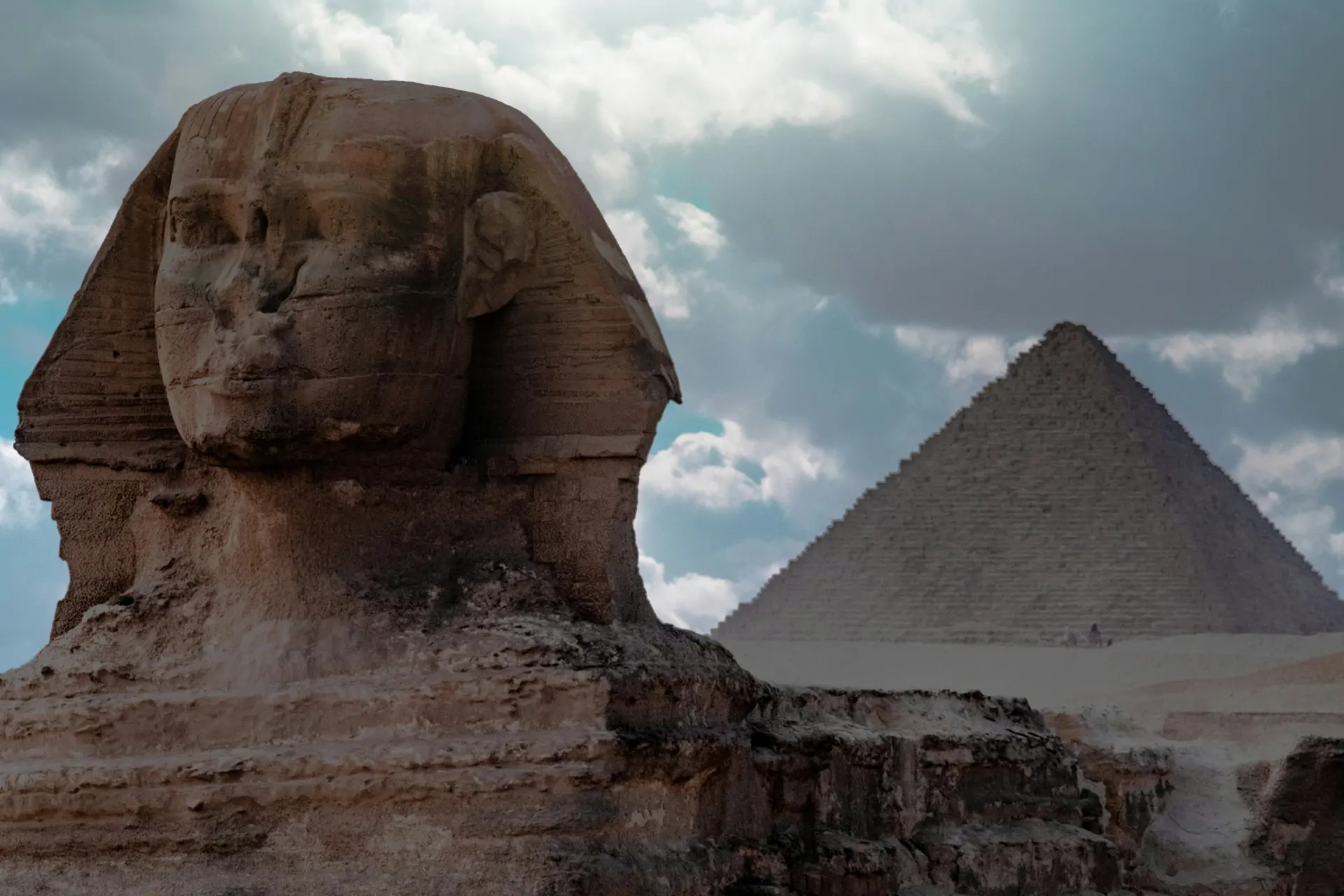
Cairo's Gallery Infrastructure: Where Collectors Engage
Cairo's contemporary art infrastructure has matured substantially over the past decade, with professional galleries, art spaces, and institutions creating ecosystem supporting serious collecting.
Townhouse Gallery and Contemporary Image Collective (CIC)
Townhouse Gallery, founded 1998 in downtown Cairo, pioneered contemporary art presentation in Egypt. While it faced challenges and temporary closures due to political turbulence, its legacy includes launching careers of now-internationally recognized artists. The Contemporary Image Collective continues this mission, focusing on lens-based media and providing exhibition opportunities for emerging and mid-career artists.
CIC's programs include residencies, workshops, and exhibitions that maintain high curatorial standards. For collectors, CIC exhibitions offer opportunities to discover emerging talents before gallery representation drives prices upward. Works by CIC-exhibited artists often start at $2,000-$8,000, providing accessible entry points to Egyptian contemporary art.
Gypsum Gallery: Blue-Chip Egyptian and Regional Contemporary
Gypsum Gallery represents Cairo's most established commercial space for museum-quality contemporary art. Founded by Aleya Hamza, Gypsum shows Egyptian artists including Ghada Amer, Youssef Nabil, and Ahmed Askalany alongside international names. The gallery's Zamalek location attracts serious collectors—both local and international—seeking investment-grade works.
Pricing at Gypsum reflects quality: established Egyptian artists' works range $25,000-$150,000, while emerging artists start at $8,000-$20,000. These figures represent significant investments but remain dramatically below comparable quality in Western markets. A Ghada Amer embroidered canvas at $80,000 from Gypsum would command $200,000+ in New York or London galleries.
Safar Khan and Mashrabia Gallery: Emerging and Mid-Career Focus
Safar Khan, located in Zamalek's art district, emphasizes emerging and mid-career Egyptian artists with pricing accessible to developing collectors. Works range $3,000-$25,000, offering opportunities to acquire significant pieces before artists achieve international breakthrough.
Mashrabia Gallery of Contemporary Art, established 1990, represents one of Cairo's longest-running contemporary spaces. Mashrabia shows painting, sculpture, photography, and mixed media by Egyptian artists, with exhibitions rotating monthly. Pricing spans $2,000-$40,000, balancing accessibility with serious artistic quality.
Palace Arts and The Greek Campus: Experimental and Cutting-Edge
Palace Arts in Zamalek provides platform for experimental practices—video art, installation, performance, and conceptual work that commercial galleries hesitate to show. For collectors interested in cutting-edge practices, Palace Arts exhibitions identify emerging voices before market recognition.
The Greek Campus, a contemporary art center in downtown Cairo, hosts exhibitions, talks, and events creating intellectual community around contemporary art. While not primarily commercial, Greek Campus programming helps collectors understand artistic discourse shaping Egyptian contemporary practice.
Discover investment-grade contemporary art at Artestial, where Egyptian and Middle Eastern artists join global contemporary masters in curated collections emphasizing both aesthetic quality and appreciation potential.
The Artists: Egyptian Contemporary Masters and Emerging Stars
Understanding key Egyptian artists—their practices, market positions, and appreciation potential—provides foundation for intelligent collecting.
Established Artists with International Recognition
Wael Shawky (b. 1971) creates elaborate video installations and sculptural works examining historical narratives, colonialism, and cultural identity. His multi-year projects including "Cabaret Crusades" trilogy show at major biennials and museums worldwide. Market prices: $30,000-$150,000 for significant works. Investment thesis: Institutional validation exceeds current pricing; as career retrospectives occur at major museums (inevitable given quality and recognition), market will correct upward 100-200%.
Ghada Amer (b. 1963) produces embroidered paintings exploring femininity, sexuality, and Islamic decorative traditions. Born in Cairo, based in New York, Amer bridges Egyptian heritage and Western art world. Her works appear in major museum collections globally. Market prices: $50,000-$200,000. Investment thesis: Established blue-chip artist with room for appreciation as feminist art from non-Western perspectives gains market attention.
Youssef Nabil (b. 1972) creates hand-colored photography evoking golden-age Egyptian cinema while addressing contemporary themes. His portraits of celebrities, artists, and cultural figures achieve distinctive nostalgic aesthetic. Market prices: $15,000-$80,000 depending on size and edition. Investment thesis: Photography by recognized masters remains undervalued versus painting; Nabil's unique technique and cultural specificity support appreciation as photography markets mature.
Moataz Nasr (b. 1961) works across sculpture, installation, and video examining Egyptian political and social realities. His ambitious installations have shown at Venice Biennale and major international venues. Market prices: $20,000-$100,000. Investment thesis: Political art addressing specific regional contexts gains value as historical document and artistic achievement; Nasr's sophisticated approach transcends reportage into genuine artistic significance.
Mid-Career Artists Poised for Breakthrough
Ahmed Askalany (b. 1978) creates large-scale paintings combining abstract expressionism with references to Egyptian street culture, graffiti, and political upheaval. His energetic canvases balance aesthetic sophistication with cultural commentary. Market prices: $15,000-$50,000. Investment thesis: Quality comparable to Western neo-expressionists commanding 5-10x higher prices; as Egyptian contemporary art gains visibility, Askalany positioned for significant appreciation.
Amal Kenawy (1974-2012, posthumous) produced video, performance, and installation works addressing mortality, memory, and Egyptian women's experiences. Though her career was cut short, her artistic significance continues growing through posthumous recognition. Market prices: $10,000-$40,000 for video editions and photographs. Investment thesis: Posthumous markets for important artists typically appreciate strongly as work becomes finite; Kenawy's feminist voice and tragic early death create mythology supporting long-term value growth.
Huda Lutfi (b. 1948) creates mixed-media collages combining found materials, personal photographs, and text exploring memory, identity, and Egyptian cultural history. Her work bridges generations, influencing younger artists while maintaining contemporary relevance. Market prices: $8,000-$30,000. Investment thesis: Undervalued pioneer whose influence on Egyptian contemporary practice deserves greater market recognition.
Emerging Artists Offering Early-Stage Opportunity
Sherin Guirguis (b. 1974) produces intricate paper-cut works referencing Islamic geometric patterns, Coptic traditions, and contemporary feminist discourse. Based between Cairo and Los Angeles, Guirguis bridges Egyptian heritage and Western art institutions. Market prices: $5,000-$20,000. Investment thesis: Exceptional craft, cultural depth, and growing institutional interest suggest strong appreciation potential as career develops.
Aya Tarek (b. 1993) creates figurative paintings and drawings exploring identity, memory, and contemporary Egyptian youth culture. Her accessible yet sophisticated practice appeals to younger collectors while maintaining artistic rigor. Market prices: $3,000-$12,000. Investment thesis: Early-career pricing provides accessible entry; quality and market appeal support appreciation as recognition grows.
Basel Abbas and Ruanne Abou-Rahme (Basel b. 1983, Ruanne b. 1983) collaborate on video installations, sound works, and mixed-media pieces addressing Palestinian-Egyptian identity, displacement, and memory. Their politically engaged practice shows internationally at biennials and museums. Market prices: $8,000-$25,000. Investment thesis: Politically important work addressing urgent themes; as Middle Eastern contemporary art gains prominence, their practice positioned for institutional acquisitions driving market appreciation.
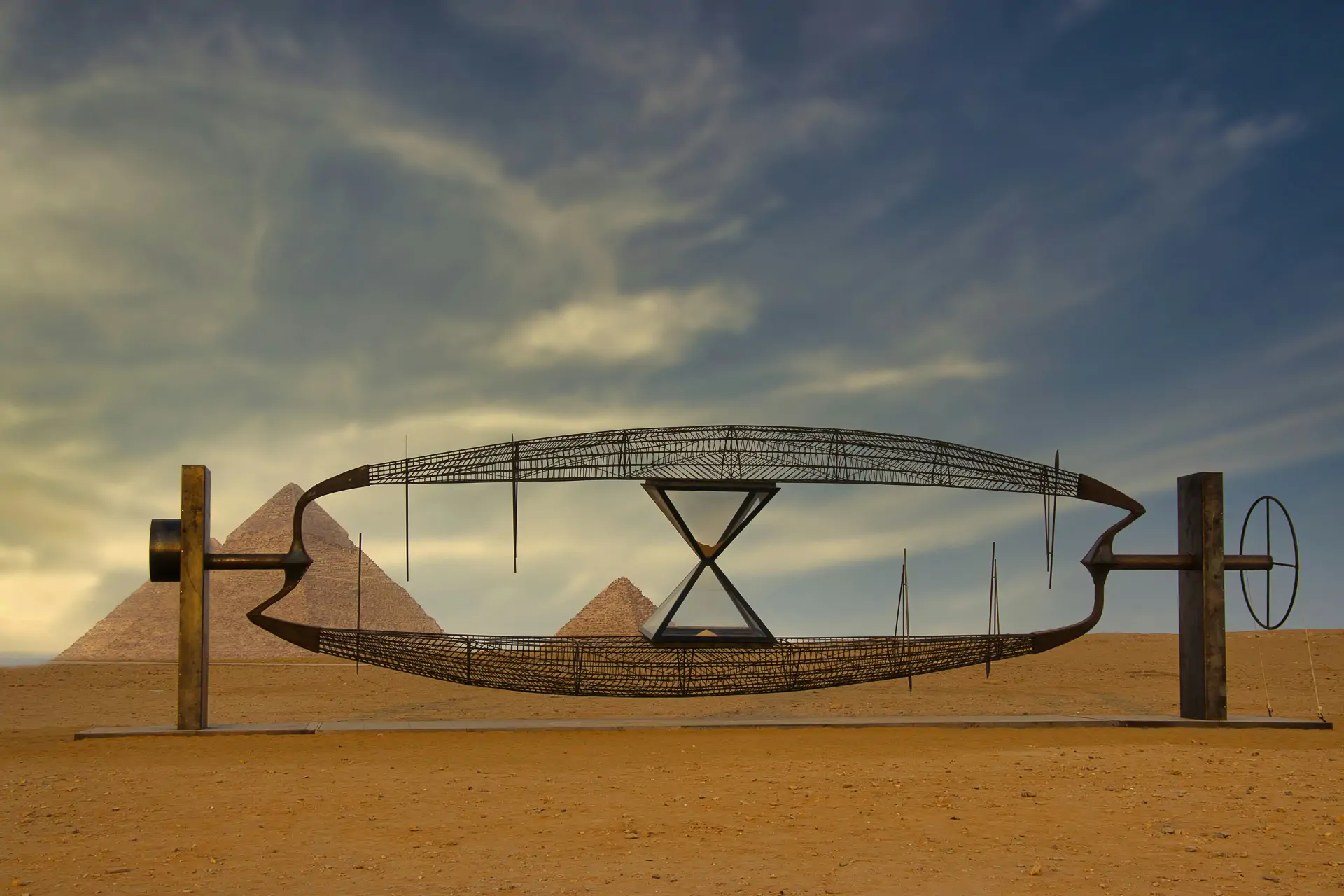
Market Dynamics and Investment Considerations
Collecting Egyptian contemporary art requires understanding market dynamics, risks, and strategic approaches that maximize appreciation potential while managing downside exposure.
Pricing Arbitrage and Market Inefficiency
Egyptian contemporary art exhibits classic emerging market characteristics—quality exceeds price due to limited market access, currency dynamics, and information gaps. Works that would command $100,000 in Western galleries sell for $30,000-$40,000 in Cairo, creating arbitrage opportunity for collectors able to navigate Egyptian market.
This pricing gap persists due to several factors. Egyptian pound devaluation (75%+ versus dollar since 2016) makes Egyptian prices appear cheap in hard currency terms. Limited international gallery representation means Egyptian artists lack Western market access driving prices upward. And information asymmetry—Western collectors don't know Egyptian artists; Egyptian artists don't access Western collectors—perpetuates undervaluation.
Sophisticated collectors exploit these inefficiencies by acquiring directly from Cairo galleries at Egyptian pricing, then positioning works for international resale through Western galleries or auction houses. A work purchased for $35,000 in Cairo might achieve $80,000-$120,000 when offered through Christie's or Sotheby's contemporary Middle Eastern sales, generating 130-240% returns simply by bridging market inefficiency.
Currency Advantages and Purchasing Power
The Egyptian pound's weakness versus hard currencies amplifies purchasing power for international collectors. Gallery prices quoted in Egyptian pounds translate to dramatic discounts for euro or dollar-denominated buyers. As Egyptian economy stabilizes and currency appreciates (inevitable long-term trend given tourism recovery and economic reforms), Egyptian-priced artworks gain value simply through currency revaluation independent of market appreciation.
This currency dynamic provides downside protection. Even if art markets stagnate, Egyptian pound appreciation versus hard currencies generates returns for international buyers. Combined with underlying artistic quality and growing demand, this creates asymmetric risk-return profile favoring collectors with hard currency access.
Authentication and Provenance in Emerging Markets
Emerging markets require heightened diligence regarding authentication and provenance. Egypt's contemporary market remains relatively small and transparent—most significant artists work with established galleries maintaining clear records. However, collectors should insist on gallery certificates, photographic documentation, and direct artist verification when possible.
For established artists with international recognition (Shawky, Amer, Nabil), authentication infrastructure matches Western standards. Mid-career and emerging artists may lack formal catalogues raisonnés, making gallery documentation and artist studio records essential. Never acquire significant works without proper documentation, regardless of apparent value.
Exit Strategies and Liquidity Considerations
Egyptian contemporary art's liquidity remains limited compared to Western blue-chip markets. While established artists like Amer or Shawky trade actively through international auction houses and galleries, lesser-known artists require patience and strategic marketing when selling.
Plan 5-10 year minimum holding periods, treating Egyptian contemporary art as illiquid alternative investment comparable to early-stage private equity. The most successful exits occur when works transition from Egyptian market to international market—consigning through Christie's or Sotheby's Middle Eastern sales, placing with international galleries, or selling to Western collectors through advisors.
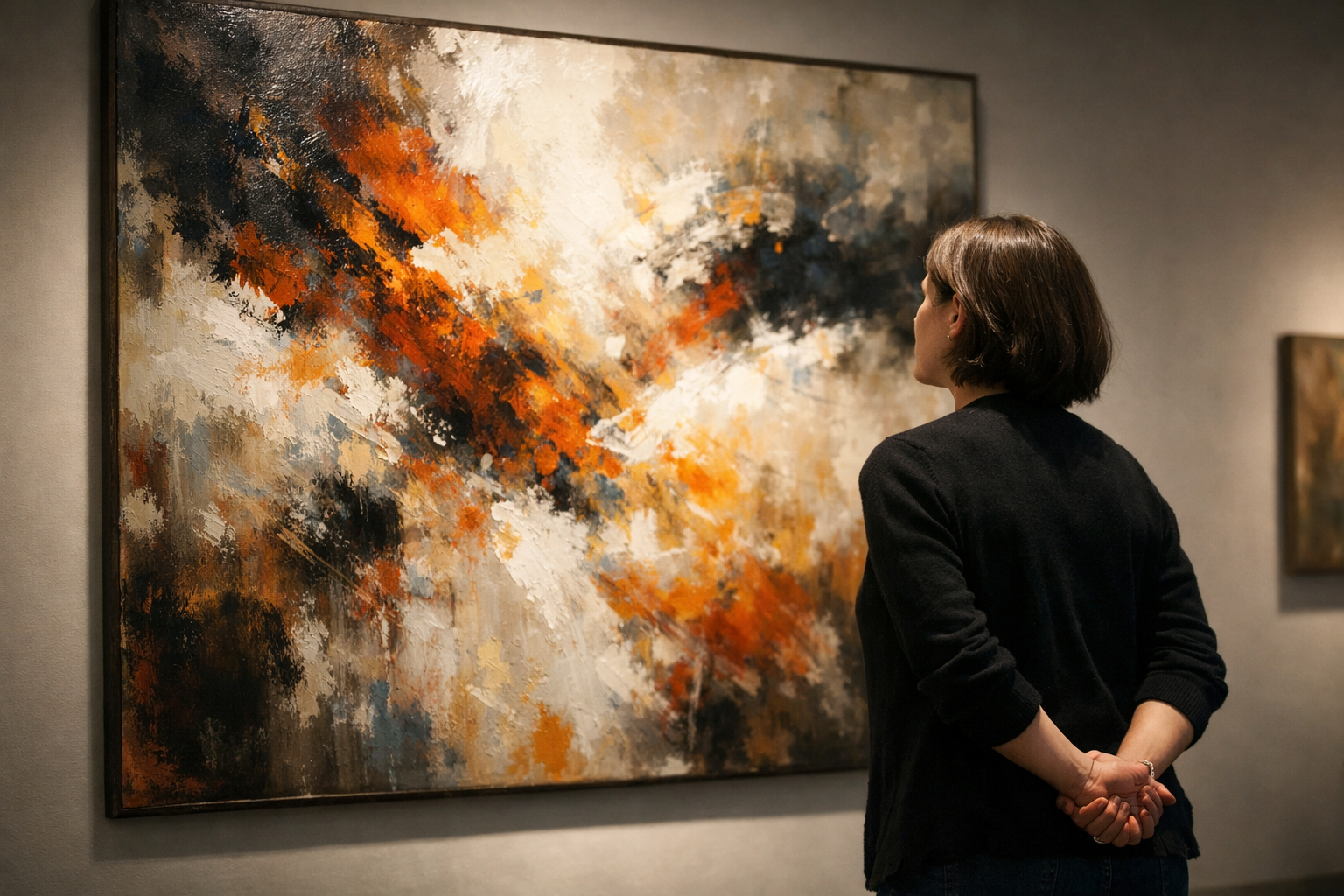
Building an Egyptian Contemporary Art Collection
Strategic collecting in Egyptian contemporary art follows principles applicable to any emerging market while accounting for Egypt-specific dynamics.
Portfolio Construction and Diversification
Build positions across established, mid-career, and emerging artists to balance stability with growth potential. Allocate 40-50% to established artists (Shawky, Amer, Nabil) providing downside protection through institutional validation. Invest 30-40% in mid-career artists (Askalany, Nasr, Guirguis) offering strong appreciation potential as recognition grows. Reserve 10-20% for emerging artists (Tarek, younger contemporaries) providing lottery-ticket upside if careers breakthrough.
Within these categories, diversify across mediums—painting, photography, video, installation—and thematic approaches. Political work, feminist perspectives, heritage-focused practice, and purely aesthetic concerns all have collector constituencies. Diversification ensures portfolio appeal across collector types when selling.
Acquisition Channels and Strategies
Direct gallery purchases in Cairo provide best pricing and selection. Build relationships with Gypsum, Safar Khan, Mashrabia, and other established galleries. Gallery directors offer market intelligence, artist studio access, and first selection of new works. Pay asking prices rather than negotiating aggressively—building goodwill ensures access to best works before other collectors.
Artist studio visits create opportunities to acquire directly at favorable terms while building relationships. Many Egyptian artists sell from studios, particularly for works not yet gallery-represented. Studios visits also provide deeper understanding of artistic practice informing more intelligent collecting decisions.
International fairs and exhibitions including Art Dubai, Abu Dhabi Art Fair, and Christie's/Sotheby's Middle Eastern sales showcase Egyptian artists to broader audiences. Prices at these venues typically exceed Cairo gallery prices by 30-50%, but selection may include works unavailable in Cairo. Use fairs for discovery and relationship-building, then acquire through Cairo galleries when possible.
Art advisors specializing in Middle Eastern contemporary art provide expertise, access, and authentication services justifying 10-15% advisory fees. For collectors building significant positions (six figures+), advisors prevent expensive mistakes while identifying opportunities that amateur collectors miss.
Conservation and Display Considerations
Egyptian contemporary art created in Cairo's challenging climate may require professional conservation evaluation. High temperatures, humidity variation, and dust exposure can affect works. Engage conservators to assess condition before acquisition, particularly for works on paper, textiles, or mixed media.
Works incorporating regional materials—papyrus, textiles, found objects—may require specialized conservation approaches. Budget for professional conservation every 3-5 years and proper climate-controlled storage when not displayed. These costs remain modest compared to acquisition prices but protect long-term value.
The Investment Thesis: Why Now?
Multiple converging factors create compelling timing for Egyptian contemporary art collecting in 2026.
Regional museum development continues accelerating. Saudi Arabia's planned museums, UAE's institutional expansion, and Egypt's own Grand Egyptian Museum (opening phases complete) create increased institutional demand for Egyptian contemporary art. Museums require Egyptian artists to build comprehensive Middle Eastern collections, driving acquisition competition.
Economic stabilization in Egypt following years of currency volatility and political uncertainty improves market conditions. As Egypt's economy stabilizes, wealthy Egyptian collectors who paused acquisition during turbulent periods return to market. This domestic demand supports price floors and liquidity.
Generational wealth transfer in Middle Eastern collector families brings younger buyers emphasizing contemporary art over traditional collecting focuses. These collectors seek regional artists but demand international quality standards—criteria that established Egyptian artists satisfy.
Western institution diversification initiatives increase demand for non-Western contemporary art. Museums addressing collection gaps in representation acquire works by African, Middle Eastern, Asian artists. Egyptian artists benefit disproportionately given quality, availability, and cultural significance. Institutional acquisitions validate artists while tightening supply, driving appreciation.
Information accessibility through digital platforms reduces discovery barriers that historically limited Egyptian artists' international reach. Instagram, online galleries, and virtual exhibitions expose Egyptian artists to global audiences, creating demand that pricing hasn't yet reflected.
These factors suggest 3-7 year window before Egyptian contemporary art market corrects to fair value relative to comparable quality in other markets. Early collectors positioning now benefit from remaining undervaluation while these catalysts drive appreciation.
Explore Artestial's curated Egyptian and Middle Eastern contemporary art, where investment-grade works by established and emerging artists combine aesthetic excellence with compelling appreciation potential.
Conclusion: Beyond Pyramids to Contemporary Opportunity
Egyptian contemporary art represents rare combination of artistic quality, institutional validation, and market undervaluation creating asymmetric investment opportunity. While Egypt's pharaonic heritage attracts global tourism, its contemporary artistic production remains discovery opportunity for sophisticated collectors.
The artists profiled—Shawky, Amer, Nabil, Askalany, Nasr, and emerging voices—demonstrate exceptional artistic sophistication engaging meaningfully with Egyptian heritage while addressing universal themes. Their institutional recognition validates quality; their pricing reflects market inefficiency rather than artistic merit.
For collectors building comprehensive holdings or seeking geographic diversification beyond Western concentration, Egyptian contemporary art deserves serious allocation. The combination of currency advantages, pricing arbitrage, and fundamental catalysts driving appreciation creates investment thesis comparable to early positions in now-mature emerging markets that delivered extraordinary returns.
Approach Egyptian contemporary art with same diligence applied to any alternative investment—conduct proper due diligence, work with qualified advisors, acquire only properly documented works, plan long holding periods, and diversify across multiple artists and price points. The collectors who engage thoughtfully now, before global market correction, position for substantial appreciation while supporting exceptional artistic practices deserving wider recognition.
Connect with Artestial's specialists for guidance building Egyptian contemporary art positions, including artist recommendations, acquisition strategies, authentication services, and portfolio management for serious collectors recognizing this market's compelling opportunity.
Frequently Asked Questions
How do I physically acquire and ship Egyptian contemporary art internationally?
Cairo galleries experienced in international sales handle export documentation, shipping logistics, and customs paperwork. Expect 4-8 weeks for export permits (required for artworks) and international shipping. Costs typically run 8-15% of artwork value including crating, shipping, insurance, and customs. Use gallery-recommended shippers experienced with art transport—amateur shipping risks damage destroying value. For significant purchases ($50,000+), consider engaging international art logistics specialists like Crozier or Masterpiece. Egyptian customs requires proper invoicing showing purchase price, so undervaluing for customs purposes (reducing duties) creates authentication problems later. Pay duties properly and maintain complete documentation.
What are realistic appreciation expectations for Egyptian contemporary art?
Conservative estimates suggest 30-60% appreciation over 5 years for established artists (Shawky, Amer), 60-120% for mid-career artists (Askalany, Nasr), and 100-300% for emerging artists who achieve breakthrough (Guirguis, Tarek-level talents). These estimates assume continued regional economic growth, stable political conditions, and ongoing institutional interest. However, individual results vary dramatically—not all artists appreciate, and timing matters significantly. Exceptional outcomes (500-1000%+ returns) occur but remain outliers requiring perfect artist selection and market timing. Treat Egyptian contemporary art as long-term alternative investment with modest base-case returns and potential for exceptional upside rather than certain extraordinary appreciation.
Should I focus on Egyptian artists living in Egypt or the diaspora?
Both offer compelling opportunities with different characteristics. Egypt-based artists (Shawky, Nasr, Askalany) maintain direct cultural connection and local market presence but may have limited international gallery representation. Diaspora artists (Amer in New York, Nabil between Cairo/Paris) access Western institutions more easily but sometimes lose connection to Egyptian specificity that makes their work distinctive. Ideal strategy: diversify across both, emphasizing quality over geography. The best investment criterion remains artistic excellence and market potential rather than artist location.
How do I verify authenticity and avoid forgeries in Egyptian market?
Egyptian contemporary art forgery remains relatively rare compared to historical art due to living artists and small market size. However, practice due diligence: acquire exclusively through established galleries (Gypsum, Safar Khan, Mashrabia) providing certificates of authenticity; request artist studio verification for significant purchases; photograph works next to artist or in their studio when possible; maintain complete provenance documentation from acquisition forward; for established artists, check if they maintain studio archives or work with authenticators. Never acquire significant works from unknown dealers, online marketplaces without gallery authentication, or situations lacking proper documentation regardless of attractive pricing. The modest premium paid through established galleries provides authentication insurance worth far more than savings from questionable sources.
What's the minimum investment to build meaningful Egyptian contemporary art position?
Entry-level positions start at $15,000-$25,000 acquiring 2-3 works by emerging artists through galleries like Safar Khan or Contemporary Image Collective. At $50,000-$75,000, collectors acquire established artist works on paper or smaller paintings plus emerging artist positions, building diversified 4-6 work portfolios. Serious positions ($150,000-$300,000) include major works by established artists (Shawky, Amer) providing portfolio foundation plus mid-career and emerging positions offering appreciation potential. Six-figure+ collectors should work with advisors ensuring optimal acquisitions and market positioning. Remember that Egyptian contemporary art's greatest appeal lies in accessibility—$100,000 buys museum-quality, investment-grade works that would cost $300,000-$500,000 in Western markets.
Ready to explore Egyptian contemporary art's exceptional investment opportunity? Visit Artestial's curated collections featuring established Egyptian masters and emerging talents, or connect with our Middle Eastern art specialists for personalized guidance building positions in this compelling undervalued market.
Curating excellence, one insight at a time.— The Scene
Disclaimer: This article is for informational purposes only and does not constitute financial, investment, or art acquisition advice. Emerging art markets including Egyptian contemporary art carry substantial risks including illiquidity, authentication challenges, political instability, currency volatility, and uncertain appreciation. Past performance of specific artists or markets does not predict future results. Art investment suitability depends on individual financial circumstances, risk tolerance, and investment objectives. Gallery relationships, artist reputations, and market conditions change unpredictably. Currency exchange rates significantly impact returns for international buyers. Works may require extended holding periods (5-10+ years) before achieving liquidity. Consult qualified art advisors, authentication specialists, tax professionals, and financial advisors before making significant art investments. Observations reflect conditions as of early 2026 and may not apply to future situations or specific circumstances.