

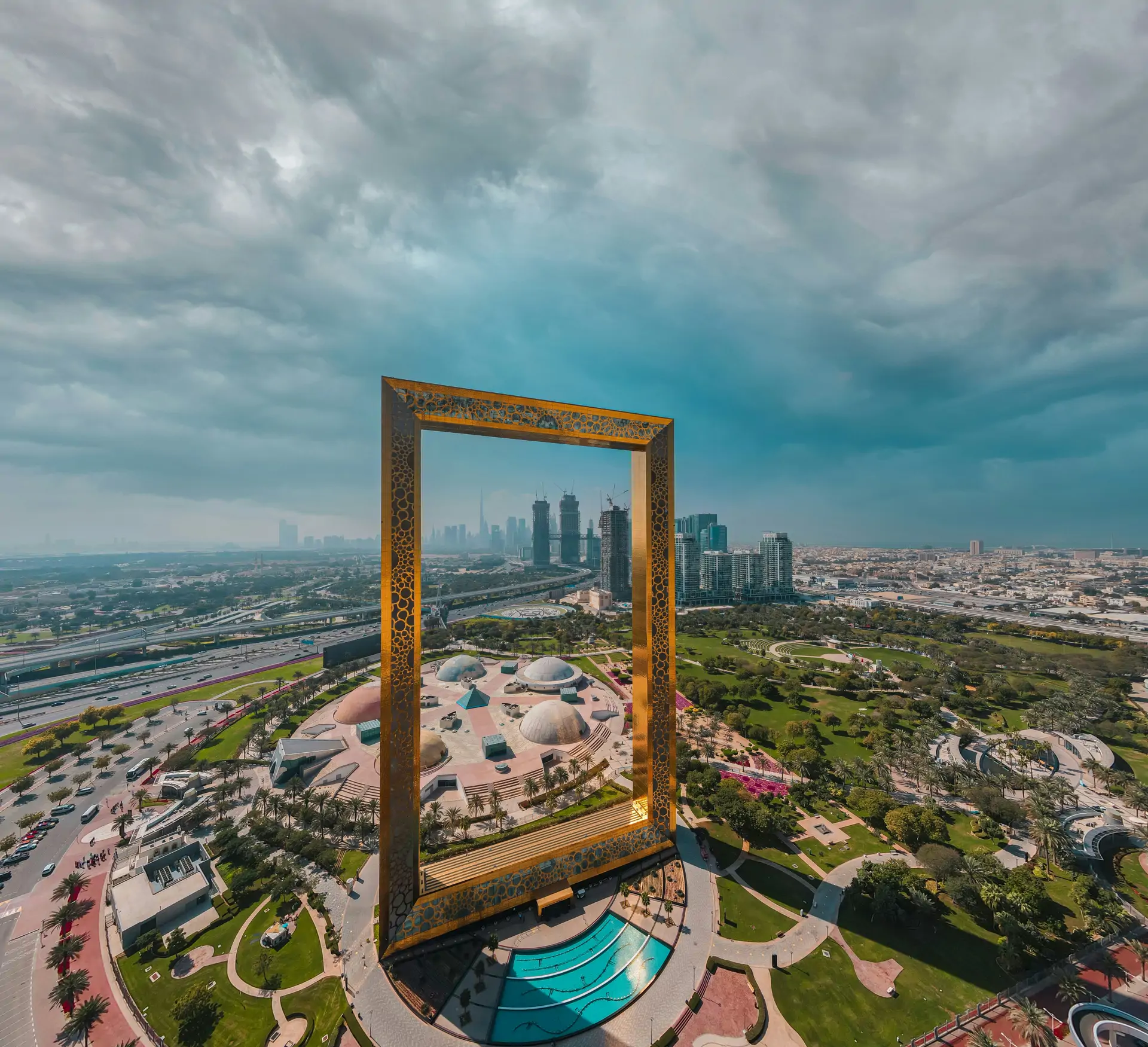
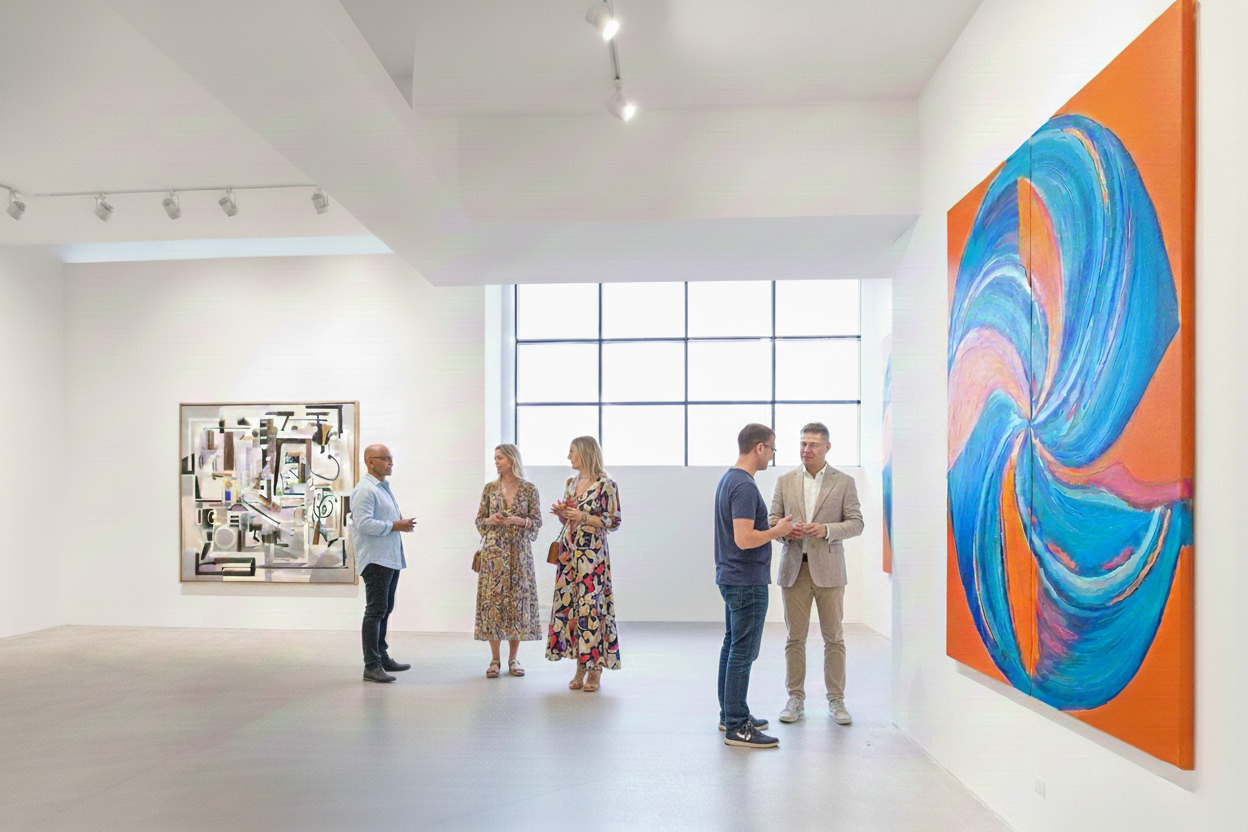
Late on a Thursday evening in Al Quoz, Dubai's transformation becomes undeniable. Gallery doors swing open across Alserkal Avenue. Collectors—Emirati families, European investors, Asian curators—move between white-cube spaces. Conceptual installations share the room with figurative paintings exploring Gulf identity. The architecture tells its own story: industrial warehouses reimagined as contemporary art spaces, concrete softened by track lighting and quiet conversation.
This scene would have been impossible two decades ago. Today, Dubai represents one of the art market's most compelling opportunities. Not through speculation, but through deliberate policy and genuine cultural infrastructure. For collectors navigating an increasingly complex global landscape, the emirate offers something rare: fiscal clarity, logistical efficiency, and access to regional contemporary art gaining international recognition before Western price discovery.
The question isn't whether Dubai merits attention. It's how sophisticated collectors can position themselves to capitalize on advantages that compound significantly over time.
Where Wealth Preservation Meets Cultural Ambition
Dubai's appeal begins with its tax structure. But to frame this as simple "tax avoidance" misses the strategic sophistication at work. The UAE has built an environment where wealth preservation and cultural patronage align naturally. This is rare among major markets.
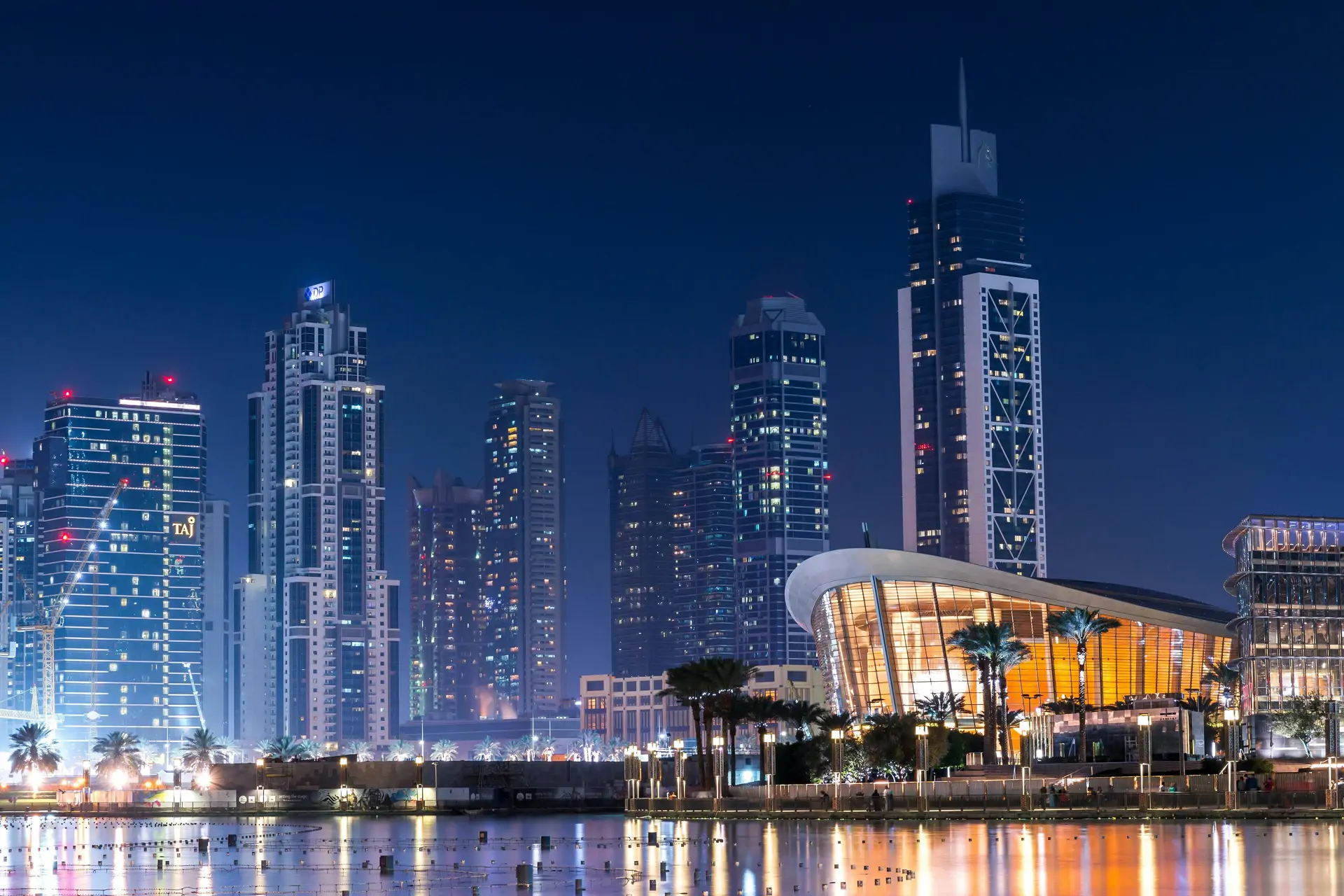
Consider the mathematics. An individual collector buys a work for $100,000 that appreciates to $500,000 over fifteen years. In Dubai, they face zero capital gains liability. That same collector in New York surrenders $112,000 to federal taxation (28% collectibles rate). In London, they lose $80,000 (20% rate). The differential—$112,000 versus zero—isn't just saved capital. It's reinvestment capacity that compounds over subsequent holding periods.
Beyond appreciation, Dubai eliminates inheritance taxation entirely. Collections pass between generations without the levies that fragment many Western family holdings. For collectors building multi-generational collections, this structural advantage proves as consequential as the works themselves.
Important distinction: The UAE introduced a 9% federal corporate tax for financial years beginning on or after June 1, 2023. This applies to businesses with profits exceeding AED 375,000. Collectors operating through commercial entities should seek professional counsel. However, private individuals building personal collections—the predominant model—remain wholly unaffected. The zero-tax environment for individual collectors stands intact.
Freeports and the Architecture of Mobility
Dubai's free zones—particularly Jebel Ali and Dubai World Central—function as sophisticated holding infrastructure. These aren't basic warehouses. They're climate-controlled vaults offering museum-grade conservation. Biometric access. 24/7 monitoring. Temperature and humidity precision that satisfies any conservator's requirements.
The strategic utility extends beyond storage. International collectors frequently acquire works in London, transport them to Dubai for tax-free holding, then export to final destinations when circumstances shift. This flexibility, combined with Dubai's eight-hour flight radius to most major art markets, creates operational advantages difficult to replicate elsewhere. Customs clearance that takes weeks in other jurisdictions completes in two to four days here.
Alserkal Avenue: The Alchemy of Industrial Space and Contemporary Vision
To understand Dubai's art market maturation, you must experience Alserkal Avenue. Not just visit, but spend an evening in its particular ecology. Located in Al Quoz's industrial quarter, the district comprises over 500,000 square feet of converted warehouses. Each retains the austere beauty of its utilitarian origins while hosting galleries whose programming would satisfy collectors in any global capital.
The district exists because of one decision by developer Abdelmonem Bin Eisa Alserkal. He offered galleries long-term leases—ten to fifteen years—at rates dramatically below Dubai's commercial market. This stability, rare in a city defined by speculative velocity, allowed galleries to invest in artist development and international relationships. Infrastructure that typically requires decades emerged within years.
Walk through The Third Line at any exhibition opening. You'll encounter the district's curatorial confidence. Founded in 2005, the gallery represents artists whose work navigates contemporary Gulf identity. Monira Al Qadiri investigates petro-culture. Hayv Kahraman meditates on displacement and female embodiment. Farah Al Qasimi examines Emirati modernization through photography. These aren't artists trading on orientalist aesthetics. They're practitioners whose work demands engagement with ideas as much as form.
Carbon 12 Dubai, established in 2008, pursues a complementary strategy. They identify emerging international talent whose museum trajectories remain nascent but whose conceptual rigor suggests institutional validation ahead. The gallery has built a reputation for early positioning. Collectors who trust its judgment often benefit before broader market recognition drives prices beyond accessible thresholds.
Lawrie Shabibi brings particular strength to photography and conceptual practice. Green Art Gallery—among Dubai's longest-operating spaces, founded in 1995 and relaunched in 2010—maintains scholarly standards that appeal to collectors building historically grounded collections. Its evolution from Arab Modernism to contemporary practice reflects the market's broader trajectory.
A note on Ayyam Gallery: Though the gallery closed its Dubai physical location, it remains influential in Middle Eastern contemporary art internationally. Their focus on Syrian artists documenting conflict and diaspora proves essential for collectors focused on this region, even without a local viewing space.
The Thursday evening ritual: Alserkal's opening nights occur on Thursdays, when multiple galleries launch exhibitions simultaneously. This enables efficient reconnaissance—fifteen to twenty gallery visits across three hours. Gallerists are available for substantive conversation rather than hurried transactions. Subscribe to gallery mailing lists. Follow their social channels. Arrive with questions rather than checkbooks. Relationships precede acquisitions in serious collecting practice.
Beyond Alserkal, DIFC (Dubai International Financial Centre) caters to collectors seeking established names and secondary market works. It's where art meets asset management. Dubai Design District (d3) attracts younger galleries and design-focused practices, offering earlier entry points for collectors willing to develop expertise in emerging voices.
Art Dubai: Where Regional Focus Becomes Global Platform
Art Dubai, typically held in early to mid-March, has evolved from a regional curiosity to a legitimate international platform. The transformation reflects the broader market's maturation. The fair maintains a curated approach, selecting over 120 galleries rather than pursuing exhaustive comprehensiveness. This selectivity serves collectors well. You can meaningfully engage with the entire fair across two to three days rather than surrendering to triage mode.
What distinguishes Art Dubai from its European and American counterparts is its regional focus. Programming highlights Middle Eastern and South Asian contemporary art before Western institutions validate (and reprice) these artists. The fair's sections provide structured discovery. Emerging galleries present new voices. Established international participants bring blue-chip offerings. Curated presentations examine specific themes with scholarly depth.
The Global Art Forum convenes thought leaders examining art's intersection with technology, geopolitics, and social transformation. This is discourse that informs collecting strategies beyond pure aesthetics. Gallery tours, collector breakfasts, and evening events create relationship-building opportunities more valuable than any single acquisition.
Strategic attendance: VIP preview days (accessible through gallery relationships or art advisor connections) offer crucial advantages. Appointments with gallerists before public crowds. First consideration for significant works. Atmospheric conditions conducive to substantive conversation. For collectors lacking these connections initially, public days remain productive. Focus on fifteen to twenty carefully selected booths rather than exhaustive surveys. Take gallery cards. Attend programming. Follow up deliberately. The fair functions as reconnaissance. Actual acquisitions typically occur weeks later, after considered reflection.
Beyond the fairgrounds: Sikka Art & Design Festival, held in Al Fahidi Historical Neighbourhood, typically in late February or early March, showcases Emirati artists at accessible price points. Valuable for collectors interested in culturally significant documentation of the UAE transformation. Dubai Design Week occurs separately in November, creating a second annual cultural influx for collectors interested in where design intersects with fine art.
The Digital Frontier: Where Blockchain Meets Provenance
Dubai's approach to digital art and NFTs deserves examination, not for speculative enthusiasm, but for regulatory sophistication. The Virtual Assets Regulatory Authority (VARA) has established a comprehensive licensing framework for Virtual Asset Service Providers. The number of licensed entities has grown substantially since the authority's inception. This creates legal frameworks that remain uncertain in many Western markets. It attracts platforms, collectors, and artists seeking operational stability in an otherwise turbulent sector.
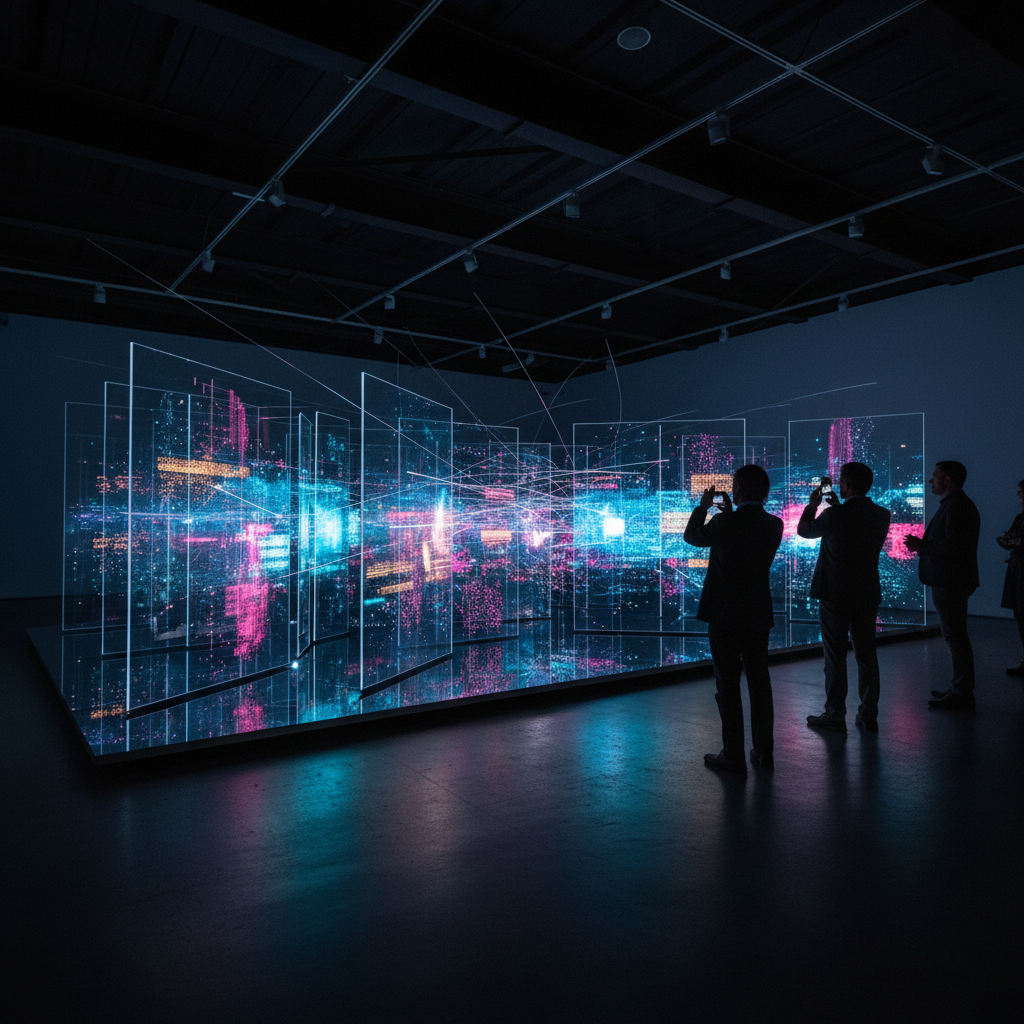
The investment case for digital art remains contentious. Volatility exceeds traditional art by substantial margins. Aesthetic longevity remains unproven. Technological obsolescence threatens certain platforms and formats. However, blockchain provenance eliminates authentication concerns that plague physical markets. Smart contracts automate artist royalties in ways impossible with traditional works. Fractional ownership enables portfolio diversification at lower entry thresholds.
A measured approach: Collectors should allocate ten to fifteen percent of art budgets to digital works by established artists entering the blockchain space. Refik Anadol's data-driven installations, for instance. Or traditional artists releasing limited NFT editions. Focus on platforms operating under VARA regulatory clarity. Maintain conservative position sizing. Plan holding periods long enough to outlast inevitable sector volatility.
Explore both physical and digital contemporary art at Artestial, the curated luxury platform bridging traditional and blockchain-based collecting.
The Mechanics of Sophisticated Collecting
The romance of collecting confronts practical realities. Authentication. Transportation. Insurance. Storage. Documentation. Dubai's infrastructure addresses these considerations with notable efficiency.
Gallery acquisitions follow established protocols. Condition reports. Provenance documentation. Negotiated payment terms (fifty percent deposits remain standard, though negotiable). Transportation arranged through specialist handlers familiar with climate requirements and customs procedures. Comprehensive insurance should precede legal possession. This seems obvious, yet collectors occasionally overlook transit coverage, exposing themselves to catastrophic downside.
Auction purchases require earlier registration (seventy-two hours minimum). In-person previewing when possible (condition reports miss details). Careful buyer's premium calculations (typically twenty-five percent on initial amounts, decreasing in tiers). Post-sale logistics demand immediate attention. Auction house storage fees accumulate daily, incentivizing swift decisions about transportation and final destination.
Where Collections Rest: Storage as Strategic Infrastructure
Dubai's free zone storage facilities offer museum-grade environments. Biometric access. Continuous monitoring. Armed security. Climate precision (temperature and humidity within half-degree tolerances). Monthly costs range from $45 to $120 per square meter, depending on security level. Reasonable considering the protection afforded to significant collections.
Private specialists complement free zone storage. Aartisco (Alserkal Avenue) provides conservation and framing services in-house. Crown Fine Art Dubai brings international firm credibility with established protocols. Masterpiece International focuses on high-value collections requiring bespoke white-glove service.
Insurance premiums for well-secured collections run 0.2 to 0.5 percent of collection value annually. That's $2,000 to $5,000 per million dollars in coverage. Reappraisals every three to five years ensure coverage accuracy as market values shift. Consider title insurance for acquisitions exceeding $250,000. This protects against ownership disputes or defective provenance.
Export and import logistics benefit from Dubai's structural advantages. No export duties. No import duties for UAE residents. Efficient customs (two to four days with professional handlers). Strong shipper relationships globally. Required documentation includes original invoices, provenance records, artist biographies, exhibition histories, high-resolution photographs, conservation condition reports, and cultural property declarations for works exceeding fifty years of age.
Three Philosophies of Collection Building
Understanding your collecting motivation clarifies acquisition strategy, risk tolerance, and portfolio construction.
The Portfolio Builder: When Art Becomes an Asset Class
Collectors allocating five to fifteen percent of investable wealth to art seek appreciation alongside aesthetic satisfaction. This approach demands discipline. Focus on mid-career Middle Eastern artists with international gallery representation. Attend Art Dubai to identify artists with upcoming museum exhibitions. Diversify across eight to twelve practitioners rather than concentrated positions. Document institutional validation meticulously. Consider a ten to fifteen percent allocation to digital works by established artists.
Risk management proves crucial. Middle Eastern contemporary art historically appreciates strongly but remains less liquid than Western blue-chip works. Plan five to ten-year holding periods. Maintain cash reserves for opportunistic acquisitions. Resist the temptation to force sales during market dislocations. Patience and conviction separate successful portfolio builders from speculators who abandon strategy at first valuation pressure.
The Cultural Patron: Legacy Through Sustained Engagement
Collectors building for institutional partnership or family foundation prioritize cultural significance over financial return. Focus on artists documenting the UAE transformation and regional identity. Commission site-specific works that build direct artist relationships. Support emerging artist programs through gallery partnerships. Document collections with professional rigor (conservation records, exhibition histories, scholarly essays). Consult legal advisors regarding foundation structures that optimize tax treatment in home jurisdictions.
Well-documented collections with clear cultural narratives become attractive institutional partners. Museums are seeking to build regional representation. Universities are developing teaching collections. Cultural foundations require defined thematic coherence. Legacy collecting demands longer time horizons and greater operational complexity. But it creates an enduring impact beyond individual lifetimes.
The Aesthetic Integrator: When Living Spaces Become Galleries
Collectors integrating art into daily environments across multiple residences prioritize emotional resonance over investment thesis. Visit galleries monthly. Build relationships with advisors who learn aesthetic preferences through observation rather than a questionnaire. Mix emerging artists with established names. Attend exhibition openings and artist talks for collecting education. Utilize Dubai's storage for seasonal rotation between residences. Consider art advisory services for interior design integration.
Lifestyle collecting permits greater aesthetic experimentation. Smaller acquisitions. Faster turnover. Immediate gratification. Build fifteen to thirty works over three to five years. Create cohesive residential environments that reflect personal taste evolution. Quality and authentic connection matter more than provenance or investment potential.
Discover curated contemporary art for every collecting strategy at Artestial, Dubai's luxury art platform.
The Horizon: Reading Market Trajectories Without Illusion
Dubai's art market trajectory suggests continued expansion driven by fundamental factors. Wealth concentration: the UAE's HNWI population reached approximately 130,500 individuals in 2024, per Knight Frank, with sustained inflows expected. Cultural infrastructure investment: Dubai targets 40 million annual visitors by 2030 with substantial cultural tourism components. Regional stability positions Dubai as a preferred wealth preservation location. Fair and gallery expansion signals ecosystem maturation.
However, challenges merit acknowledgment. High-quality emerging artist supply cannot scale indefinitely. Gallery expansion may outpace genuine talent development, creating mid-tier pricing pressure. Luxury art purchases correlate with global equity markets. Significant contractions impact discretionary spending even in resilient markets. Rapid gallery proliferation could fragment collector attention, making long-term venue survival challenging and creating artist valuation instability.
Realistic forecasts suggest continued double-digit annual growth through 2030. Though specific percentage projections should be viewed skeptically. Art markets resist precise quantification. Too many variables. Insufficient transaction transparency. Survivorship bias in reported data.
What remains clear: Dubai's art market today is significantly larger and more sophisticated than five years prior. Trajectory points toward continued expansion barring major economic disruption. For collectors entering now, the opportunity lies not in speculative timing but in building knowledge, relationships, and conviction during a period when Western institutions have yet to fully reprice regional contemporary art.
Essential Questions Collectors Ask
Do I need UAE residency to collect art in Dubai?
No. Non-residents purchase freely from galleries and auctions. Galleries handle export documentation for international shipping. You'll bear responsibility for the destination country import duties and VAT. UAE residents benefit from duty-free import advantages for personal collection display.
How do Dubai prices compare to Western markets?
Primary market prices (new gallery works) are coordinated internationally for represented artists. Prices should be equivalent globally. Secondary market (auction) prices in Dubai currently run five to fifteen percent lower than New York or London for comparable works. Though this differential narrows as the market matures. Verify pricing on specific lots rather than assuming a systematic discount.
What constitutes a realistic starting budget?
$20,000 to $50,000 enables meaningful entry. Two to three quality emerging artist works or one established mid-career piece. $5,000 to $15,000 works for prints, editions, and very early-career artists. This provides market education before larger commitments. $100,000-plus opens access to established secondary market works and enables diversified portfolio construction. Begin where financially comfortable. Collecting should enhance existence, not create anxiety.
Should I engage an art advisor?
Consider advisors if new to collecting while investing above $100,000. If you desire professional due diligence and authentication. If valuing time efficiency and expert negotiation. If building collections as a formal asset allocation. Advisors typically charge ten to fifteen percent of the purchase price, hourly rates ($350-$750), or monthly retainers for ongoing counsel.
Buy directly if you enjoy research and relationship cultivation. If your budget remains under $50,000. If you're willing to invest time in self-education. Many collectors engage advisors for initial acquisitions, then transition to independent buying as confidence and knowledge develop.
How do I verify authenticity?
Reputable galleries provide Certificates of Authenticity. Complete provenance documentation. Artist authentication for secondary market works. For purchases exceeding $100,000, consider independent verification through specialist firms. Red flags include documentation reluctance. Pressure for rapid commitment. Prices are substantially below market rates. Vague provenance narratives. Dubai's gallery scene operates on reputational capital. Established venues maintain strong incentives for honest dealing.
What are the tax implications across jurisdictions?
In Dubai (for individual collectors): zero capital gains tax, zero inheritance tax, zero import duties for residents. Your home country varies significantly. Most jurisdictions tax art gains upon resale. US collectors face a twenty-eight percent collectibles rate. EU residents should verify country-specific rules. Critical: consult tax advisors in both the UAE and the home jurisdiction before significant purchases. Some collectors use Dubai freeport storage to defer home country tax events until actually importing works to primary residences.
Positioning for the Long Game
Dubai's art market represents neither speculative bubble nor passing enthusiasm. It's the logical outcome of deliberate policy, sustained wealth accumulation, and genuine cultural infrastructure development across fifteen-plus years. The absence of capital gains and inheritance taxation for individual collectors creates structural advantages that compound across decades.
Beyond fiscal considerations, Dubai offers access to Middle Eastern and South Asian contemporary art before Western institutional validation and repricing. A genuine opportunity for collectors willing to develop regional expertise and conviction.
The market's sophistication today would have seemed implausible two decades ago. Yet here we are. Blue-chip international galleries maintain a permanent presence. Regional artists are achieving museum representation globally. Collectors are building significant holdings with the same rigor applied to Western contemporary art.
For collectors seeking geographic diversification, tax efficiency, and exposure to emerging markets with established infrastructure, Dubai merits serious consideration alongside traditional art capitals. The question is not whether to engage but how deliberately you position yourself to capitalize on advantages available to those who act with knowledge, patience, and conviction.
Build your collection with expertly curated contemporary art at Artestial, the luxury platform connecting discerning collectors with investment-grade works.
Curating excellence, one insight at a time.
— AURUM Team
Disclaimer: This article is for informational purposes only and does not constitute financial, legal, or tax advice. Art market conditions, tax regulations, and gallery information evolve. Consult qualified professionals before making investment decisions. Market observations reflect industry knowledge as of early 2026 and may not apply to specific situations.