

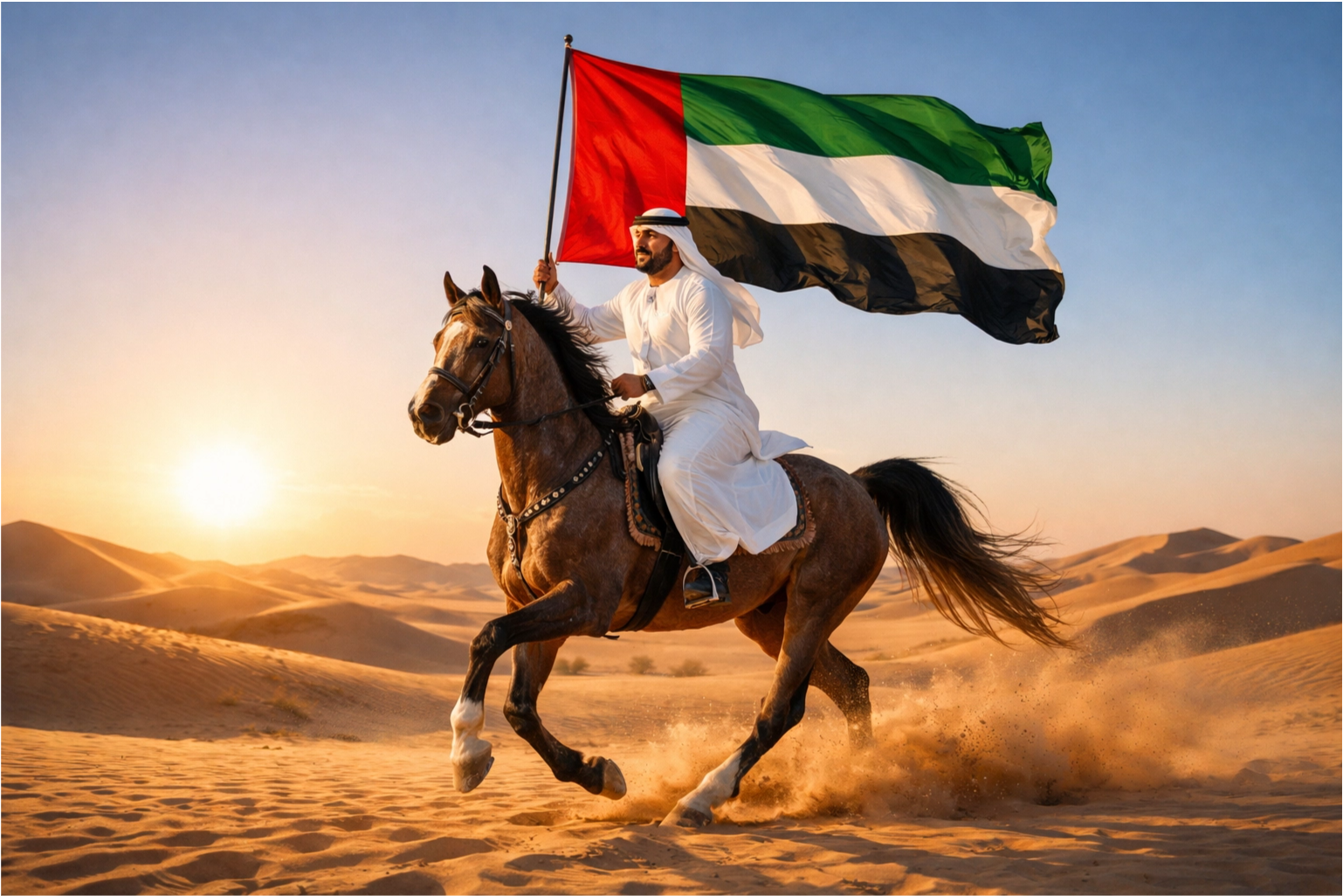
The woman examining the Hermès Kelly bag at the Dubai World Cup boutique had flown from London specifically for race day. Not because she owned horses or bet significantly—she'd come for the same reason she attended Art Basel and Pebble Beach: because serious collectors recognize that certain events transcend their nominal purpose to become cultural moments where luxury communities converge. "I'll see clients I only encounter once yearly," she explained, adjusting sunglasses that cost more than the average monthly salary. "Half my contemporary art collection came from introductions made at this racecourse."
This scene captures the Dubai World Cup's evolution from sporting event into essential luxury calendar fixture. Scheduled for March 29, 2026, at Meydan Racecourse, the event features the world's richest horse race—$30.5 million in total purses, with the Dubai World Cup itself offering $12 million to winners. Yet the racing, spectacular as it is, functions almost as backdrop for a gathering that brings together art collectors, fashion enthusiasts, luxury brand executives, and UHNW individuals from across continents for networking disguised as sport spectating.
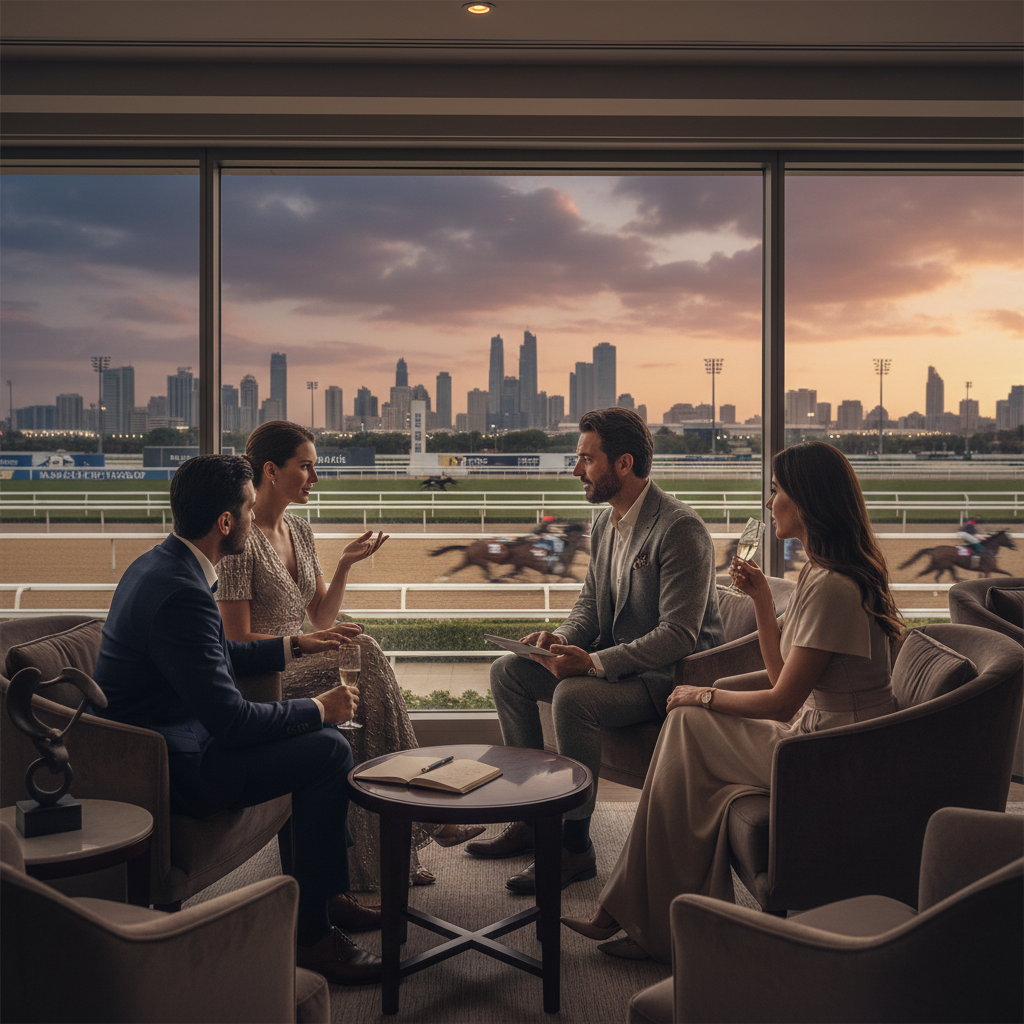
For collectors who understand that significant acquisitions often occur through relationships rather than gallery visits, the Dubai World Cup represents opportunity exceeding any single auction or art fair. The convergence of wealth, cultural sophistication, and leisure creates environment where seven-figure art transactions happen between races, where collectors discover emerging artists through casual conversations, and where the same discernment applied to evaluating thoroughbreds translates naturally to assessing contemporary art.
The Event: Understanding Dubai World Cup's Unique Position
The Dubai World Cup's March date positions it strategically within the global luxury calendar—after Art Dubai and before Art Basel Hong Kong, creating natural attendance overlap. The timing attracts international visitors already traveling for regional business or cultural events, maximizing participation from the UHNW demographic that drives luxury markets.
Racing Prestige and Prize Money
The $12 million Dubai World Cup represents thoroughbred racing's largest single-race purse, attracting elite horses, trainers, and owners worldwide. The 2026 card features nine races totaling $30.5 million—the Sheema Classic ($6 million), Dubai Turf ($5 million), Dubai Golden Shaheen ($2.5 million), and others creating full-day spectacle appealing to racing enthusiasts and casual spectators equally.
Prize money at this scale transforms racing from regional sport into global competition. Horses that win the Dubai World Cup achieve instant breeding value increases—stallions can command $100,000-$250,000 stud fees based on single race victories. This investment dynamic resonates with art collectors who understand how single auction results or museum acquisitions dramatically affect artist valuations.
The racing quality itself provides genuine entertainment. Unlike many luxury events where the nominal activity becomes incidental to socializing, Dubai World Cup delivers world-class competition. Horses trained specifically for this race, with breeding programs and training regimens costing millions, create athletic spectacle rivaling any global sporting event.
Meydan Racecourse: Architectural Destination
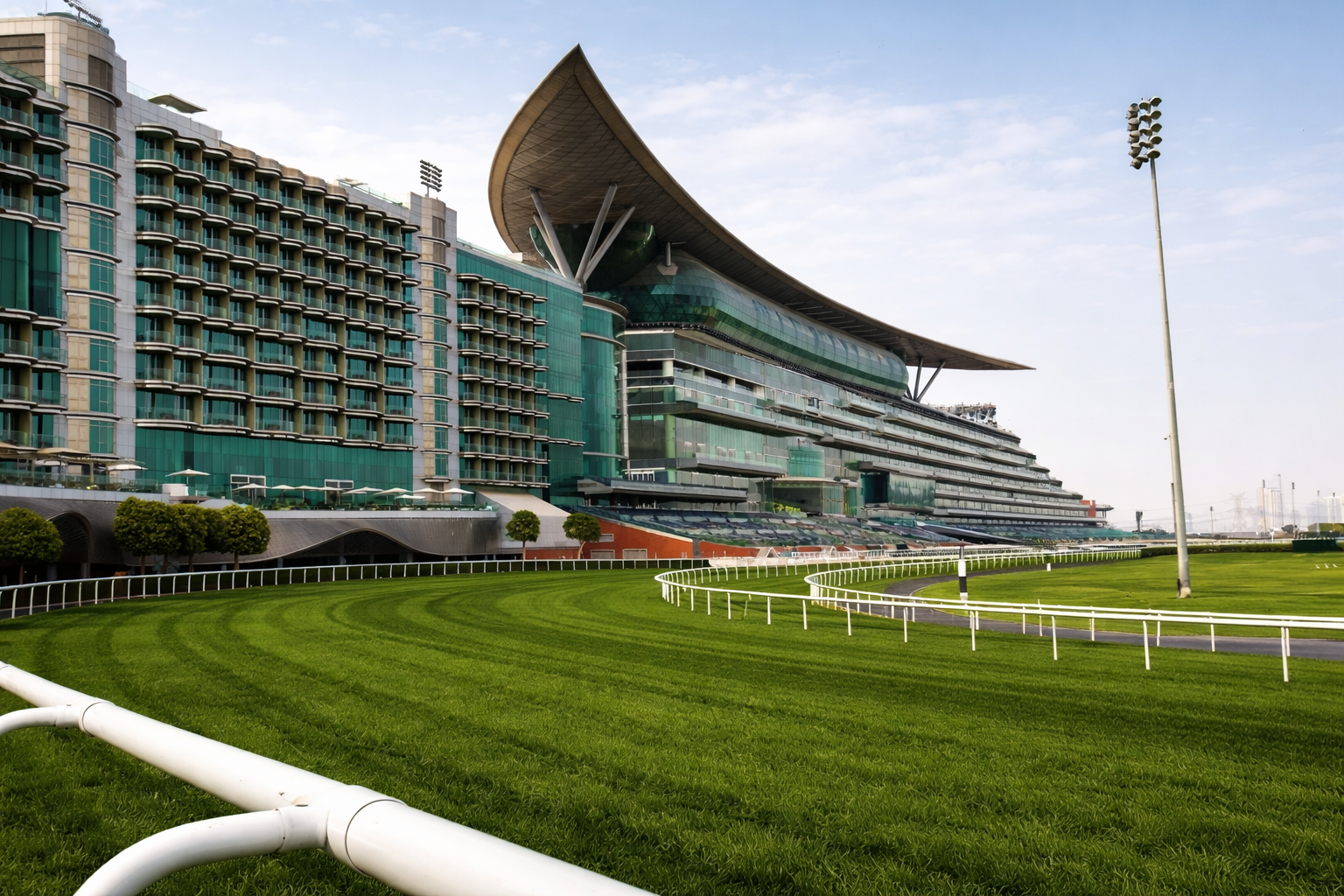
Meydan Racecourse itself represents architectural achievement worthy of attention beyond racing. The grandstand, stretching over one mile, features a distinctive roofline visible across Dubai. The facility includes the five-star Meydan Hotel, restaurants by celebrity chefs, luxury retail, and private suites that function as sky boxes commanding six-figure rental fees for race day.
The architecture creates environment where luxury feels natural rather than aspirational. VIP areas incorporate museum-quality Middle Eastern art, contemporary installations, and design elements reflecting Dubai's position bridging Eastern and Western aesthetics. For collectors, the spaces provide inspiration for residential art display—how to integrate significant works into active entertainment environments rather than treating them as untouchable museum pieces.
Fashion as Spectacle: Luxury Brands and Race Day Style
Dubai World Cup rivals Royal Ascot and Kentucky Derby as fashion showcase, with luxury brands treating the event as essential marketing moment and attendees approaching race day style with seriousness typically reserved for film premieres or gala events.
The Dubai World Cup Dress Code
Unlike Royal Ascot's strict traditional requirements, Dubai World Cup embraces more contemporary luxury aesthetic while maintaining elegant standards. Women wear designer gowns, sophisticated cocktail dresses, and statement hats—often custom pieces from atelier programs at Dior, Chanel, Valentino, or emerging regional designers. Men favor tailored suits, though traditional Emirati dress (kandura and guthra) appears alongside Western formalwear, creating visual diversity absent from European racing events.
The fashion emphasis creates opportunities for luxury brands to showcase without heavy-handed sponsorship. Attendees become walking advertisements for haute couture, high jewelry, and accessories. A woman wearing $500,000 in jewelry and a custom Elie Saab gown represents more effective marketing than traditional advertising, particularly when photographers capture looks for international fashion press coverage.
Luxury Brand Activation and Boutique Experiences
Major luxury houses maintain race day presence through boutique installations, VIP lounges, and experiential activations that feel more like private salon events than commercial retail. Hermès might offer exclusive bag previews unavailable in standard boutiques. Cartier presents high jewelry in intimate settings. Watches brands showcase limited editions to collectors already predisposed to significant purchases.
These activations succeed because attendees represent precisely the demographic luxury brands target—UHNW individuals already collecting across categories, seeking unique acquisitions unavailable through conventional channels. The race day setting creates permission for impulse luxury purchases that might seem excessive in standard retail contexts but feel appropriate within the event's overall extravagance.
Discover luxury art that complements discerning lifestyles at Artestial, where collections curated for sophistication mirror the aesthetic standards that Dubai World Cup attendees expect across all luxury categories.
The Collector's Perspective: Why Art Meets Horses
The overlap between thoroughbred racing and art collecting extends beyond superficial luxury association into genuine collecting parallels that sophisticated participants recognize.
Breeding, Provenance, and Pedigree
Thoroughbred valuation relies heavily on pedigree—documented bloodlines tracing to foundation sires, breeding decisions made generations earlier, and genetic heritage that determines potential. This emphasis mirrors art market's provenance obsession, where ownership history, exhibition records, and connection to important collections dramatically affect values.
Collectors who appreciate that a painting's previous ownership by major museums or prominent collectors enhances worth understand intuitively why a horse descended from Secretariat commands premiums over comparable athletes with less distinguished lineage. Both markets reward documented heritage and careful record-keeping, punishing gaps in documentation or questionable origins.
Investment Logic and Appreciation Potential
Serious thoroughbred ownership represents investment strategy comparable to art collecting. Elite breeding stock costs $500,000-$5 million at auction, with annual training and care expenses of $75,000-$150,000 per horse. Successful race horses generate returns through prize money and breeding fees, while failures represent total losses.
This risk-return profile resembles art investment—significant upfront capital, ongoing costs (conservation, insurance, storage), uncertain appreciation, but potential for spectacular returns when acquiring early-stage talent that achieves blue-chip status. The same analytical frameworks apply: study historical performance, understand market dynamics, identify undervalued opportunities, and maintain long-term perspective accepting that most investments won't achieve extraordinary returns.
The Collector Mindset Transcends Categories
Perhaps most significantly, both thoroughbred racing and art collecting attract individuals with similar psychological profiles—people who derive pleasure from deep expertise development, appreciate craftsmanship and excellence, enjoy competition (whether auction bidding or racing), and view collecting as lifestyle rather than merely investment.
Dubai World Cup attendees collecting art, watches, classic cars, and maintaining racing stables exemplify this omnivorousness. They recognize excellence across domains and apply similar evaluative frameworks. A collector who can assess a Gerhard Richter painting's quality can equally evaluate a thoroughbred's conformation, training regimen, and competitive potential—the core skills transfer across categories.
Investment Opportunities: Thoroughbreds as Alternative Assets
For collectors treating art as investment-grade asset class, thoroughbred racing presents comparable opportunities with different risk profiles and unique advantages.
The Economic Case for Thoroughbred Investment
Global thoroughbred racing represents a $115 billion industry, with elite breeding and racing commanding significant capital. Unlike art, where appreciation occurs passively, successful racehorses generate active income through prize money before later earning breeding fees. A stallion that wins major races might earn $5-10 million during racing career, then command $50,000-$250,000 per breeding (covering 100+ mares annually), generating $5-25 million yearly in breeding revenue.
These economics attract sophisticated investors treating horses as income-generating assets within diversified alternative portfolios. Family offices and UHNW individuals increasingly allocate to thoroughbreds alongside art, private equity, and real estate, recognizing that racing's global liquidity and established market infrastructure provide transparency often lacking in art markets.
Syndication and Fractional Ownership
Unlike art, where fractional ownership remains complicated, thoroughbred racing has long embraced syndication—multiple investors sharing single horse ownership and proportional returns. Syndicates allow $50,000-$250,000 investments in horses that cost $1-5 million, providing diversification and professional management.
This syndication model offers lessons for art markets exploring fractional ownership. Racing demonstrates how shared ownership succeeds when professional management handles operations, clear legal structures define rights, and established sale mechanisms provide eventual liquidity. Art platforms attempting similar models study thoroughbred syndication's decades of successful operation.
Risk Mitigation Through Portfolio Approach
Serious racing investors rarely concentrate on single horses, instead building portfolios across multiple animals, breeding programs, and racing jurisdictions. This diversification mirrors blue-chip art collecting—acquire multiple works across artists, mediums, and price points rather than concentrating capital in single pieces.
The portfolio approach acknowledges that thoroughbred success rates mirror art appreciation—perhaps 10-20% of horses achieve significant success, with most merely covering costs or representing losses. However, successful horses generate returns exceeding losses from unsuccessful stablemates, creating positive overall returns for well-managed operations.
Art and Racing: The Cultural Confluence at Dubai World Cup
Dubai World Cup's importance to art collectors extends beyond networking opportunities into genuine cultural programming integrating visual arts with sporting spectacle.
Art Installations and Exhibition Programming
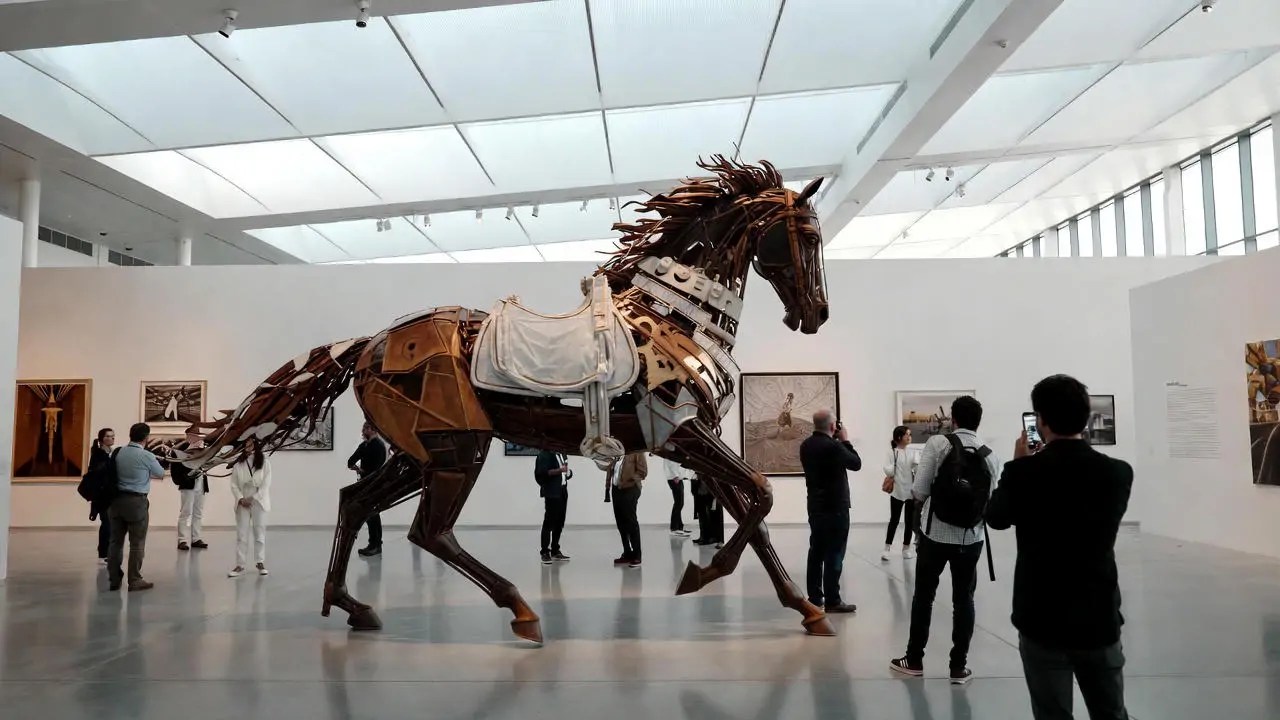
Meydan Racecourse features rotating contemporary art exhibitions, with regional and international artists creating installations visible throughout public spaces. These exhibitions introduce racing enthusiasts to contemporary art while providing collectors opportunities to discover emerging talents before gallery representation drives prices upward.
The 2026 Dubai World Cup features commissions by Emirati contemporary artists alongside international names, creating dialogue between regional and global art practices. Collectors attending primarily for racing encounter museum-quality exhibitions, while art enthusiasts discover racing through cultural programming that makes the sport accessible beyond gambling.
Equestrian Art as Collecting Category
The event also highlights equestrian art's position as serious collecting category. Historical paintings by George Stubbs, Alfred Munnings, and contemporary photographers like Tim Flach achieve significant auction results—a Stubbs horse portrait sold for over $35 million in 2011, demonstrating that equestrian subjects command blue-chip prices when executed by recognized masters.
Dubai World Cup's art programming contextualizes these traditions while showcasing contemporary artists working with equestrian themes. Collectors discover that the same aesthetic appreciation driving contemporary art acquisition applies to equestrian imagery, with photography, painting, and sculpture exploring horses' athletic beauty, cultural significance, and relationship to human ambition.
The 2026 Event: What to Expect
Dubai World Cup 2026 promises enhanced programming building on previous years' success while incorporating innovations reflecting Dubai's ambitious vision for global luxury leadership.
The race card features exceptional international competition, with horses from United States, Europe, Japan, and Australia competing. Trainers including Bob Baffert, Aidan O'Brien, and regional champions prepare specifically for these races, recognizing that Dubai World Cup victories establish legacies and breeding value.
Fashion competition intensifies annually, with social media amplifying race day style's global visibility. Expect custom couture commissions, jewelry worth millions in aggregate, and style moments that generate fashion press coverage rivaling major award shows. Luxury brands will activate more aggressively, treating the event as essential marketing moment for Middle Eastern and international markets.
Art programming expands with museum-quality exhibitions curated by regional institutions, creating cultural gravitas that distinguishes Dubai World Cup from pure sporting events. These exhibitions serve dual purposes—enhancing attendee experience while positioning Dubai as serious cultural destination beyond commercial luxury.
The networking dimension continues evolving, with organized collector gatherings, private dinners, and structured networking creating opportunities for meaningful relationship building beyond random encounters. These programmed connections acknowledge that attendees increasingly value Dubai World Cup for business and cultural opportunities as much as racing itself.
Conclusion: Sport as Cultural Convergence
Dubai World Cup's significance extends beyond horse racing into broader questions about how luxury communities define themselves and where they gather. The event demonstrates that sport, properly executed, creates environments where art collectors, fashion enthusiasts, business leaders, and cultural participants converge naturally.
For collectors building sophisticated portfolios across categories—art, design, watches, automobiles, and potentially thoroughbreds—Dubai World Cup offers both inspiration and practical opportunity. The event showcases how different collecting domains share fundamental characteristics: appreciation for excellence, understanding of provenance and pedigree, investment logic balancing passion with returns, and recognition that true luxury transcends mere expense to encompass cultural sophistication.
Explore Artestial's collections where sophistication in art collecting mirrors the discernment that distinguishes serious participants at events like Dubai World Cup, or connect with our team for guidance building collections that reflect comprehensive cultural engagement across luxury categories.
Whether attending for racing, fashion, networking, or simply experiencing luxury at its most concentrated, approach Dubai World Cup 2026 with the same intentionality applied to art fair visits or auction previews. The relationships developed, cultural experiences gained, and cross-category insights discovered often prove more valuable than any single acquisition. That's the true luxury—inhabiting spaces where excellence is celebrated across all domains.
Frequently Asked Questions
How much does it cost to attend Dubai World Cup, and what's included?
Dubai World Cup offers multiple attendance tiers. General admission starts around AED 100 ($27), providing access to public viewing areas and basic amenities. Premium hospitality packages range from AED 2,000-5,000 ($545-$1,360) including premium seating, dining, and bar service. Private suites accommodating 10-40 guests cost AED 50,000-250,000 ($13,600-$68,000), featuring dedicated service, gourmet catering, and prime viewing positions. Ultra-luxury packages exceeding AED 500,000 ($136,000) include VIP parking, private entrances, celebrity chef dining, and exclusive networking events. Most serious collectors and luxury brand clients attend through corporate hospitality or private suite arrangements rather than individual tickets.
Can visitors actually network with art collectors and luxury clients, or is that access restricted?
Networking access depends entirely on attendance tier. General admission provides minimal networking opportunity—you'll watch racing but won't encounter the UHNW demographic. Premium hospitality areas create some mingling, though most guests attend in established groups. Private suites and ultra-luxury packages provide genuine networking through organized events—curator-led art tours, private collection previews, structured introductions, and invitation-only gatherings where collectors, dealers, and luxury brand executives connect intentionally. Art advisors and galleries sometimes sponsor tables specifically for client networking. The most meaningful connections occur through pre-arranged introductions rather than random encounters—work with advisors or luxury concierge services to facilitate strategic networking.
Is thoroughbred ownership actually viable as investment for individual collectors?
Thoroughbred ownership is viable but requires significant capital, risk tolerance, and realistic expectations. Individual horse ownership costs $500,000-$5 million for quality prospects, plus $75,000-$150,000 annual training/care. Success rates are low—perhaps 5-10% of horses earn more than expenses. Syndicate participation offers more accessible entry at $50,000-$250,000 for fractional shares with professional management. Most sophisticated investors treat racing as passion pursuit that might generate returns rather than pure investment, similar to collecting emerging contemporary art. The experience, lifestyle access, and networking opportunities often justify economics even when horses don't achieve racing success. Consult bloodstock agents and racing advisors before committing capital—expertise requirements exceed most alternative investments.
How does Dubai World Cup compare to other major racing events like Royal Ascot or Kentucky Derby?
Dubai World Cup offers larger purses ($30.5M total vs. Royal Ascot's ~$10M) and more international competition, but less historical prestige than 200+ year Royal Ascot or 150+ year Kentucky Derby. The Dubai event's strengths include superior facilities (Meydan opened 2010 vs. aging historic venues), international luxury brand presence, and convergence of Middle Eastern and global luxury communities. Royal Ascot maintains stricter traditions and royal patronage; Kentucky Derby owns American cultural significance; Dubai World Cup excels at contemporary luxury experience and prize money. For collectors, Dubai's advantage lies in UHNW concentration and business networking opportunities exceeding pure sporting events. Attend all three for comprehensive racing/luxury calendar coverage if resources permit.
What art collecting opportunities specifically exist at Dubai World Cup?
Several opportunities emerge: discover emerging Emirati and regional artists through Meydan's exhibition programming before gallery representation drives prices up; network with collectors, dealers, and advisors attending races, often leading to private collection access or acquisition opportunities; attend organized collector events and private dinners featuring artist talks or collection previews; explore equestrian-themed contemporary art gaining collecting momentum; and leverage relationships developed at races for future art transactions—many significant deals originate from connections made at luxury events. Additionally, luxury brand activations sometimes preview collaborations with artists before public release. The key is attending with intent—arrange meetings in advance, work with advisors to facilitate introductions, and approach the event as networking opportunity rather than passive spectating.
Ready to explore luxury art collecting that complements sophisticated lifestyles? Visit Artestial's curated collections where discernment across collecting categories—from thoroughbreds to contemporary art—reflects the cultural sophistication that defines serious collectors, or connect with our specialists for guidance building collections worthy of global luxury events.
Curating excellence, one insight at a time.
— AURUM Team
Disclaimer: This article is for informational purposes only and does not constitute financial, investment, or racing advice. Thoroughbred ownership carries substantial financial risks including total capital loss. Prize money and breeding fees are not guaranteed and depend on horse performance, market conditions, and breeding demand. Racing regulations, ownership structures, and tax implications vary by jurisdiction. Past performance of horses, trainers, or owners does not predict future results. Event attendance costs, hospitality packages, and networking access vary and change annually. Consult qualified bloodstock agents, racing advisors, and financial professionals before making thoroughbred investments. Observations reflect conditions as of early 2026 and may not apply to specific situations or future events.