

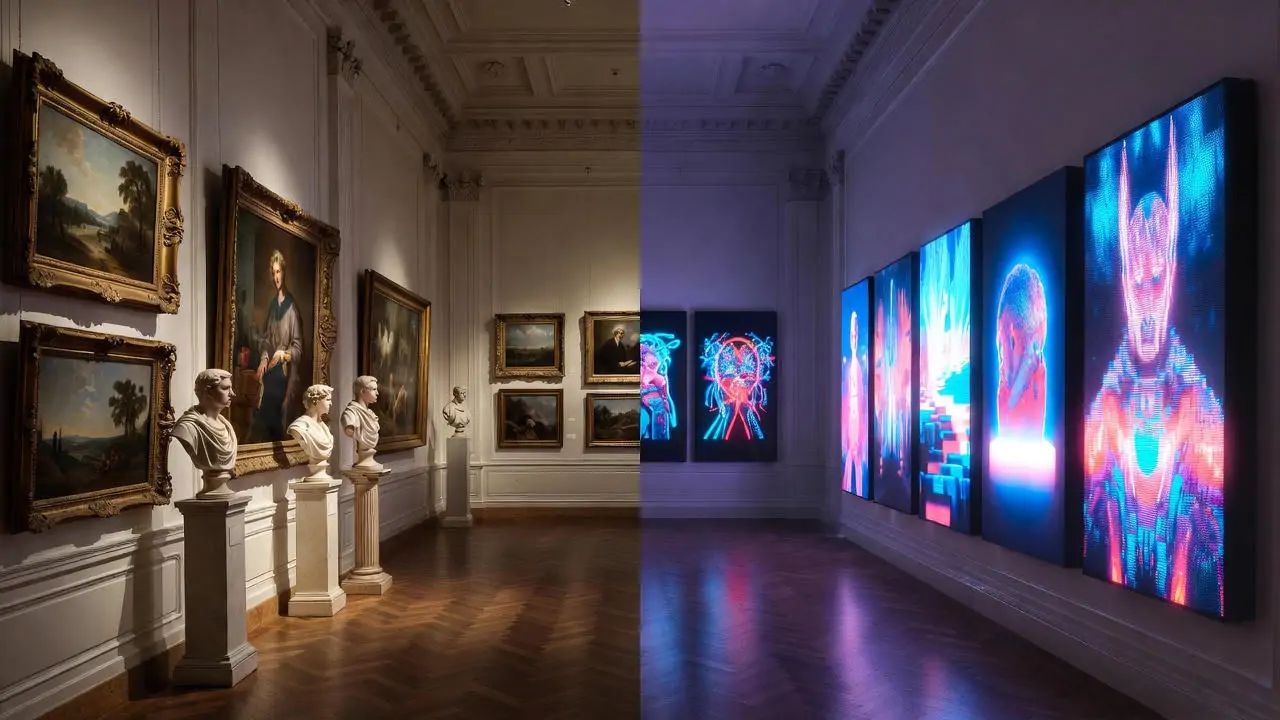
The auction hammer fell at Christie's in March 2021. Beeple's "Everydays: The First 5000 Days" sold for sixty-nine million dollars. Not to a museum or established collector. To a pseudonymous crypto investor willing to pay more for digital pixels than most Monets command.
That moment divided the art world. Traditional collectors dismissed it as speculation. Tech enthusiasts proclaimed a revolution. Four years later, both camps have learned uncomfortable truths. The hype cycle crashed. Trading volumes plummeted by over ninety percent. Yet something fascinating emerged from the wreckage.
Serious collectors are returning to NFTs with different expectations. The market stabilized at around forty-nine billion dollars in 2025. Digital art found its place alongside paintings and sculptures. This isn't about flipping cartoon apes for quick profits anymore. Smart investors now approach NFTs as strategic portfolio additions with unique advantages that traditional art cannot offer.
The Digital Art Market Has Evolved Beyond Hype
NFT art experienced its first complete market cycle. The 2021 boom attracted speculators chasing overnight returns. By early 2023, reality struck. Trading volumes collapsed. Platforms shuttered. Critics declared the experiment over.
They were wrong about what mattered. The technology proved itself during the downturn. Blockchain provided immutable provenance tracking. Smart contracts automate royalty payments. These features survived the speculation exodus because they solve real collector problems.
Today's NFT market looks dramatically different from 2021. Gallery owners integrate digital works into physical exhibitions. Traditional auction houses maintain dedicated NFT departments. Established artists experiment with blockchain-based pieces. The shift mirrors how photography eventually gained acceptance in fine art circles.
Current market data reveals a maturing ecosystem. The global NFT market reached forty-nine billion dollars in 2025. Gaming and utility NFTs dominate transaction volume. Art NFTs represent a smaller but stable segment focused on quality over quantity. Collectors now evaluate digital works using traditional art criteria combined with technological considerations.

This maturation brought institutional participation. Major galleries opened digital art divisions. Museums began acquiring NFT works for permanent collections. Wealth management firms developed frameworks for including digital art in client portfolios. These developments signal long-term viability beyond speculative trading.
What Sophisticated Collectors Need to Know
Understanding NFTs requires separating technology from art. An NFT functions as a certificate of authenticity stored on a blockchain. The artwork itself lives as a digital file. The token proves ownership and tracks provenance.
Think of it like buying a signed photograph. You own that specific print with the artist's signature. Others can view reproductions. Only you possess the authenticated original. NFTs work similarly for digital content. The blockchain signature cannot be forged or duplicated.
Most NFT art uses the Ethereum blockchain. Other networks like Tezos and Solana offer alternatives. Each has different characteristics affecting cost and environmental impact. Post-2022 upgrades reduced Ethereum's energy consumption by over ninety-nine percent. This addresses concerns that once troubled environmentally conscious collectors.
Smart contracts embedded in NFTs enable programmable features. Artists can set perpetual royalties on secondary sales. Typical arrangements give creators five to ten percent of resale prices. This benefits artists far beyond the initial transaction. Traditional art offers no such mechanism.
Collectors should understand token standards. ERC-721 creates unique, one-of-a-kind NFTs. ERC-1155 allows multiple editions. Newer standards like ERC-7857 enable AI-powered NFTs that evolve over time. These technical distinctions affect both value and collecting strategy.
Storage requires digital infrastructure. NFTs live in cryptocurrency wallets. Hardware wallets provide maximum security. Custodial services offer insurance and professional management. The choice depends on technical comfort and collection size. Either way, collectors need backup systems and estate planning provisions.
Five Ways NFTs Change Investment Strategy
Provenance Transparency
Blockchain creates permanent ownership records. Every transaction appears on the public ledger. Collectors can verify an artwork's complete history instantly. No authentication committees. No provenance gaps. No questions about previous owners.
This solves age-old problems plaguing traditional art markets. Forgery becomes nearly impossible. Stolen works cannot be resold without detection. Insurance companies value this transparency. So do serious collectors tired of authentication disputes.
Fractional Ownership Opportunities
Platforms now enable shared ownership of high-value NFTs. Multiple investors can purchase portions of expensive works. This democratizes access to blue-chip digital art previously beyond individual budgets.
Fractional ownership platforms like Masterworks pioneered this model for physical art. NFT technology makes it simpler and more liquid. Smart contracts automatically distribute proceeds from sales or licensing. Collectors can invest smaller amounts across diversified digital art portfolios.
Global Liquidity Enhancement
Traditional art requires physical shipping. Auctions happen seasonally. Gallery negotiations take weeks. NFTs trade instantly on global marketplaces. Twenty-four-hour trading never stops. Transaction settlement happens within minutes.
This liquidity attracts financially sophisticated collectors. Markets can adjust rapidly to new information. Collectors can rebalance portfolios quickly. The trade-off? Increased price volatility. Values can swing dramatically over short periods. This cuts both ways for strategic investors.
Automated Royalty Mechanisms
Smart contracts pay artists perpetually. Every resale triggers automatic royalty distribution. Artists earn ongoing income from appreciating works. Collectors support creators beyond initial purchases.
This economic model transforms artist-collector relationships. Emerging artists can build sustainable careers. Collectors align financially with the artist's success over time. Both parties benefit from long-term value appreciation. Traditional art lacks this built-in support structure.
Estate Planning Simplification
Digital assets transfer seamlessly. Wallets can be inherited through secure key management. No physical shipping or storage concerns. International transfers happen instantly without customs complications.
Sophisticated estate planning accommodates NFT holdings. Multi-signature wallets enable designated beneficiaries. Time-locked contracts can execute predetermined distributions. These features simplify intergenerational wealth transfer for digital collections.
The Due Diligence Framework
Evaluating NFT art requires traditional collecting judgment plus technical assessment. Start with the artist. Research their background, exhibition history, and market presence. Established digital artists like Beeple and Tyler Hobbs command premium prices for good reason.
Examine the artwork itself using traditional criteria. Does it demonstrate technical skill? Does it evoke an emotional response? Would you want to look at it daily? NFT technology should enhance art, not replace quality. Many collectors display digital works on high-resolution screens in their homes.
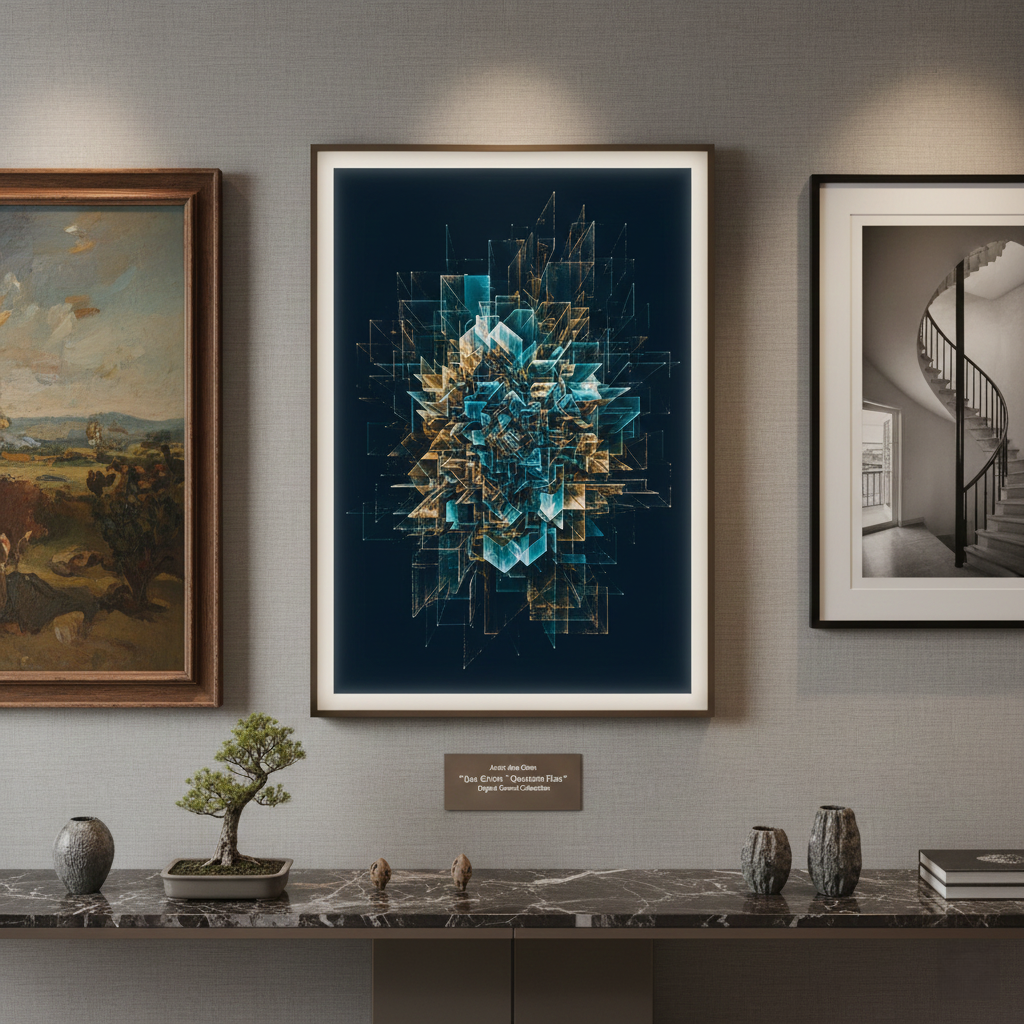
Investigate the platform where the NFT was minted. SuperRare, Foundation, and Artsy maintain curated selections. They verify artist identities and authenticate works. These platforms function like reputable galleries. Less established marketplaces may lack quality control.
Check the smart contract code if technically capable or hire experts. Verify royalty percentages. Confirm the NFT links to the actual artwork, not just metadata. Some early NFTs stored only links that could break over time. Better implementations store art on decentralized networks.
Consider edition size carefully. Unique one-of-ones command the highest prices. Limited editions dilute exclusivity. Some artists create unlimited editions for accessibility. Scarcity matters in NFT markets just like physical art. Understand what you're buying.
Review secondary market history. Active trading indicates collector interest. Consistent price appreciation suggests sustainable demand. Volatile or declining values signal caution. OpenSea and other platforms provide complete transaction histories.
Assess environmental impact if concerned about sustainability. Tezos and Polygon use energy-efficient proof-of-stake systems. Ethereum switched to proof-of-stake in 2022, reducing energy use dramatically. Carbon-neutral options exist for environmentally conscious collectors.
Storage, Security, and Estate Planning
Digital art requires different infrastructure from physical works. Start with wallet selection. Hardware wallets like Ledger or Trezor store private keys offline. They protect against hacking but require careful physical security. Losing a hardware wallet without backups means losing your collection permanently.
Custodial services offer professionally managed storage. Companies like Coinbase and Gemini provide insurance and institutional-grade security. They handle technical complexity for collectors preferring traditional service models. Trade-off? Less direct control over your assets.
Multi-signature wallets require multiple parties to approve transactions. This protects against theft or coercion. Wealth management firms increasingly offer digital asset custody services. They integrate NFTs into comprehensive portfolio management.
Estate planning presents unique challenges. Heirs need access to private keys or wallet credentials. Without this information, digital collections become irretrievable. Work with estate attorneys experienced in digital assets. Document wallet locations, backup procedures, and access instructions.
Some collectors use time-locked smart contracts. These automatically transfer ownership to designated beneficiaries after specified periods. Others establish digital trusts managed by specialized firms. Options expand as the market matures and professional services develop.
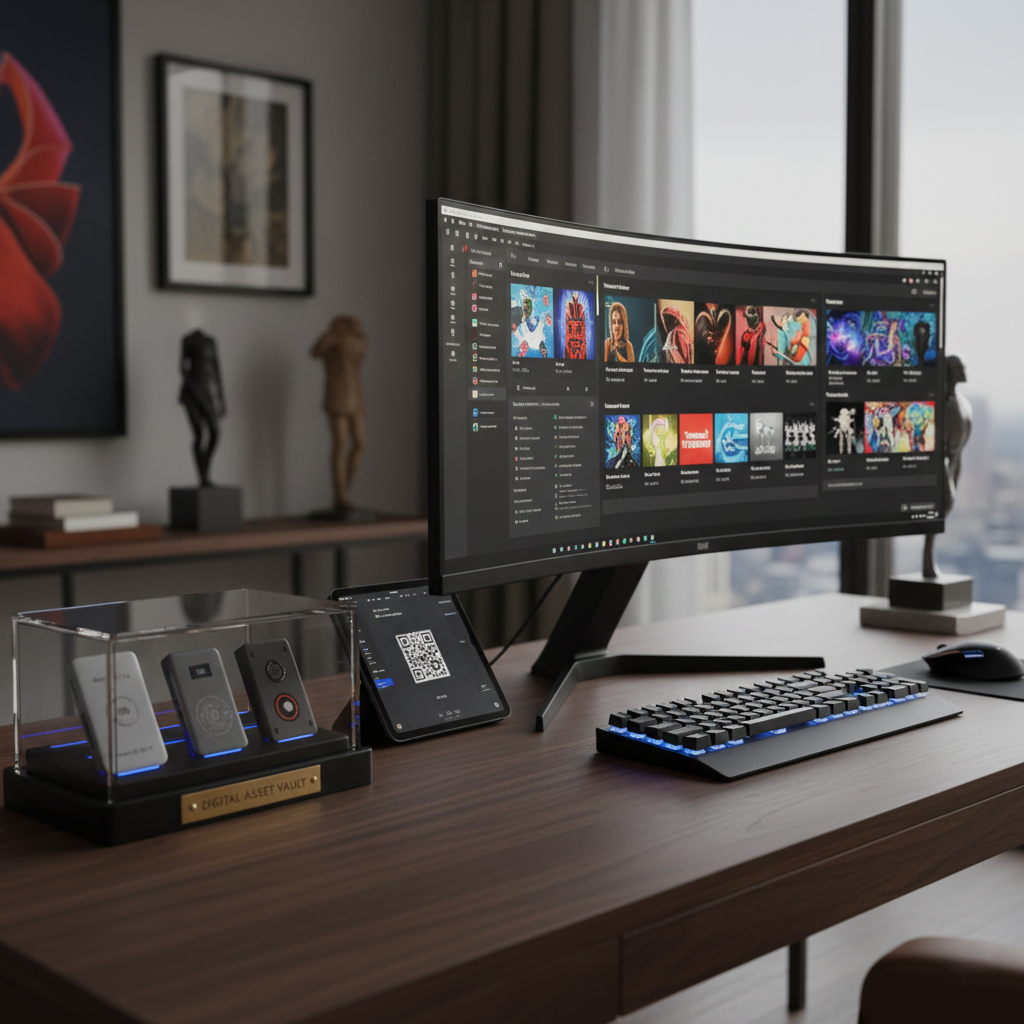
Insurance markets are evolving. Some carriers now cover NFT collections. Policies address theft, smart contract failures, and platform collapses. Premiums reflect the emerging nature of these risks. Coverage limits and terms vary significantly between providers.
Tax documentation requires meticulous record-keeping. Every transaction needs cost basis tracking. Capital gains calculations become complex with multiple purchases and sales. Crypto tax software helps manage reporting obligations. Professional tax advisors familiar with digital assets become essential for significant collections.
Market Indicators Worth Watching
Several metrics help collectors assess market health. Total trading volume shows overall activity levels. The market processed approximately one hundred billion dollars in 2025 across all NFT categories. Art represents a fraction, but volumes indicate sustained interest.
Average sale prices stabilized around nine hundred forty dollars. This suggests normalization after extreme highs. Blue-chip pieces still command six or seven figures. The broad market finds equilibrium between accessibility and exclusivity.
Platform dominance tells important stories. OpenSea maintains market leadership with over two million monthly active users. Foundation and SuperRare serve more curated collector communities. New platforms emerge constantly. Winners demonstrate technical reliability and strong artist relationships.
Institutional activity signals market legitimacy. Christie's and Sotheby's maintain active NFT programs despite reduced volumes. Their continued participation validates long-term potential. Museum acquisitions similarly indicate art historical significance.
AI integration represents a major trend. Approximately thirty percent of new NFT projects incorporate artificial intelligence. Generative art and evolving NFTs combine blockchain with machine learning. These hybrid works attract tech-forward collectors interested in cutting-edge creativity.
Cross-chain development expands market access. Early NFTs existed primarily on Ethereum. Now collectors find quality works on Solana, Tezos, Polygon, and other networks. Multi-chain compatibility reduces fees and improves accessibility. This diversification strengthens the broader ecosystem.
Gaming and metaverse integration drive adoption. Virtual worlds use NFTs for property ownership and avatar customization. Gaming NFTs accounted for thirty-eight percent of transaction volume in 2025. Art collectors benefit as infrastructure improves for broader digital ownership.
Tax Implications for Collectors
United States tax treatment requires careful attention. The IRS categorizes NFTs as property for tax purposes. Purchasing an NFT with cryptocurrency creates two taxable events simultaneously. First, disposing of the crypto generates capital gains or losses. Second, acquiring the NFT establishes a new cost basis.
Capital gains depend on holding periods. Assets held under one year incur short-term rates up to thirty-seven percent. Holdings exceeding one year qualify for long-term rates between zero and twenty percent. High-income earners also pay a three-point-eight percent net investment income tax.
A critical complication emerged in 2023. The IRS indicated certain NFTs may be classified as collectibles. Collectibles face a maximum twenty-eight percent long-term capital gains rate. This exceeds standard long-term rates for high-income taxpayers.
The IRS uses "look-through analysis" to determine collectible status. They examine what the NFT represents. Digital art, trading cards, and similar items likely qualify as collectibles. Virtual real estate probably does not. This distinction significantly impacts tax liability.
Starting in 2025, platforms must report transactions to the IRS. Sales exceeding six hundred dollars annually trigger Form 1099-DA requirements. This reporting mirrors stockbroker requirements. Collectors can no longer overlook digital art transactions. Compliance becomes mandatory and easily verified.

International collectors face varying requirements. The United Kingdom treats NFTs as capital assets with similar capital gains rules. European Union countries each establish their own frameworks. Singapore offers relatively favorable treatment with no capital gains tax. Research specific jurisdiction rules carefully.
Transaction fees matter for tax calculations. Gas fees paid for minting or purchasing NFTs add to the cost basis. This reduces eventual capital gains. Keep detailed records of all fees paid during transactions. These seemingly small amounts accumulate to meaningful tax savings.
Donations to qualified museums may provide deductions. Rules for digital art donations are still developing. The IRS has not issued definitive guidance. Work with experienced tax counsel before claiming significant NFT donation deductions. Documentation requirements are rigorous.
Professional management becomes essential for serious collectors. Crypto tax software like CoinLedger or TokenTax tracks transactions automatically. These platforms integrate with wallets and exchanges. They generate necessary tax forms and documentation. For large portfolios, specialized tax advisors familiar with digital assets prove invaluable.
Essential Questions Digital Art Collectors Ask
Should traditional art collectors allocate portfolio percentages to NFTs?
Financial advisors suggest starting small. Allocate two to five percent of art portfolios to digital works initially. This provides exposure without excessive risk. Monitor comfort levels and market evolution. Increase allocations as infrastructure matures and personal familiarity grows. NFTs complement rather than replace traditional holdings for most sophisticated collectors.
How do insurance and storage costs compare to physical art?
Digital art eliminates climate-controlled storage facilities and security guards. No conservation treatments or restoration projects. These savings are significant over decades. However, collectors incur custodial service fees, wallet maintenance costs, and cyber insurance premiums. Total annual costs typically run lower than equivalent-value physical art. Factor in transaction fees on blockchain networks for complete cost comparisons.
Can NFTs be displayed like traditional art in homes?
High-quality digital displays have evolved dramatically. Samsung Frame TVs and similar products show NFT art beautifully. Some collectors commission custom installations with museum-grade screens. Display options now match the aesthetic standards of physical art. Digital frames can rotate collections on schedules. This flexibility appeals to collectors with extensive holdings. The viewing experience differs but can be equally impressive.
What happens to NFT collections if blockchain platforms fail?
This question troubles many traditional collectors. Decentralization provides resilience. Ethereum and major blockchains operate across thousands of independent nodes. Complete network failure is extremely unlikely. Even if specific marketplaces close, NFTs persist on underlying blockchains. Collectors maintain ownership independent of any single platform. Backup your private keys carefully. Multiple wallet copies ensure accessibility regardless of platform changes.
How do traditional galleries approach NFT integration?
Progressive galleries now offer hybrid programs. Physical exhibitions showcase digital works on screens. Some galleries facilitate NFT purchases and provide technical support for buyers. A few established spaces, like Pace Gallery, launched dedicated digital platforms. Traditional collectors can work with trusted advisors who understand both worlds. Gallery support makes NFT collecting more accessible to those uncomfortable with pure crypto platforms.
The Hybrid Collection Strategy
Smart collectors are building bridges between physical and digital holdings. This integrated approach captures advantages from both worlds. Traditional works provide tangible beauty and established market history. NFTs offer liquidity, provenance transparency, and innovative artistic possibilities.
Start by identifying artists working across both mediums. Damien Hirst's "The Currency" project brilliantly illustrated hybrid collecting. Buyers chose between keeping physical paintings or burning them for NFTs. This experiment explored value creation in different formats. Other established artists now experiment with complementary digital works.
Consider thematic coherence across your collection. Digital art excels at certain subjects like generative patterns or animated sequences. Physical works better serve other artistic visions. Collect both based on artistic merit rather than format preference. Let the art guide medium selection.
Develop relationships with galleries serving both markets. Reputable spaces like Pace Verso, SuperRare's Offline gallery, and traditional galleries with digital programs provide curatorial guidance. These hybrid institutions help collectors navigate technical complexity while applying traditional collecting standards.

Estate planning should address both asset types. Ensure heirs can access digital wallets alongside physical works. Appraise collections comprehensively, including digital holdings. Insurance coverage must extend to both formats. Unified approaches prevent orphaned digital assets after generational transfers.
Market opportunities exist in early-stage hybrid artists. Collectors can support emerging talents exploring new media. These investments combine potential appreciation with artistic development support. The current period mirrors early photography collecting when few understood long-term value.
Education remains crucial for success. Attend gallery exhibitions featuring digital works. Join collector communities focused on NFT art. Follow developments in blockchain technology affecting art markets. Knowledge compounds competitive advantage in emerging categories.
The future likely sees further convergence. Museums will build permanent digital art collections. Art fairs will expand virtual components. Auction houses will refine hybrid sale formats. Collectors embracing both worlds early position themselves advantageously for these developments.
Discover expertly curated contemporary art, including both traditional and innovative digital works, at Artestial, the luxury platform connecting discerning collectors with investment-grade pieces across all mediums. Our specialists help sophisticated collectors build integrated portfolios spanning physical and digital art with comprehensive advisory support.
Looking Forward: Digital Art Investment in 2026 and Beyond
The NFT art market enters a new phase in 2026. Speculation has given way to strategic collecting. Quality supersedes hype. This maturation creates opportunities for sophisticated investors who missed earlier cycles or wisely waited for stability.
Market projections suggest continued growth. Analysts forecast the NFT sector reaching two hundred forty-seven billion dollars by 2029. Art represents a stable portion of this expansion. Gaming, entertainment, and real-world asset tokenization drive broader adoption. These developments improve infrastructure, benefiting art collectors.
Technological advances will enhance the collecting experiences. Improved display technology makes digital art more beautiful. Better wallet interfaces reduce technical barriers. Enhanced authentication systems increase security. Each innovation makes NFT collecting more accessible to traditional collectors.
Regulatory clarity is emerging slowly. Tax frameworks are solidifying. Insurance products are maturing. Legal precedents are being established. This infrastructure development supports long-term market growth. Professional services supporting collectors continue expanding.
The art historical question remains open. Will NFTs achieve lasting significance or fade as footnotes? Major museum acquisitions suggest the former. The technology solved real problems for digital artists. Provenance tracking benefits all collectors. These factors indicate staying power beyond initial speculation.
Smart collectors approach NFTs as portfolio complements rather than replacements. Traditional art provides proven value and cultural cachet. Digital works offer innovation, liquidity, and technological advantages. Both deserve places in diversified collections built for long-term appreciation.
The collectors who thrive will be those who maintain high standards regardless of medium. Technical innovation should enhance artistic vision, not replace it. Quality endures whether rendered in oil paint or blockchain code. Focus on exceptional works created by talented artists using appropriate media for their vision.
Market timing favors patient investors. Valuations have normalized from speculative highs. Quality digital art is more accessible than during the 2021 peaks. Early adopters have already cycled through. Serious collectors can now build positions without competing against pure speculators. This environment suits sophisticated long-term collecting strategies.
Build relationships with artists pushing boundaries in digital media. Support galleries bridging traditional and blockchain worlds. Work with advisors who understand both art history and emerging technology. This integrated approach positions collectors for success as markets continue evolving.
The most successful collectors will be those who remain open to innovation while maintaining rigorous quality standards. NFTs represent neither revolution nor fad. They are tools enabling new forms of artistic expression and collection. Like any medium, they serve some artistic visions better than others. Judge the art, not the technology carrying it.
For collectors willing to learn new systems while applying timeless principles, NFT art offers genuine opportunities. The barriers to entry have lowered. The speculation has dissipated. Serious art remains. This is precisely the environment where patient, educated collectors build significant positions in emerging categories.
Explore curated contemporary art at Artestial, where our specialists guide collectors through both traditional and digital art investments with expertise spanning established and emerging mediums. Build a sophisticated collection prepared for the evolving art market landscape.
Curating excellence, one insight at a time.
— AURUM Team
Disclaimer: This article is for informational purposes only and does not constitute financial, legal, or tax advice. NFT and digital art markets are evolving, and specific conditions vary by jurisdiction and platform. Tax regulations and regulatory frameworks continue to develop. Consult qualified professionals, including tax advisors, attorneys, and wealth managers, before making NFT investment decisions. Observations reflect industry knowledge as of early 2026 and may not apply to specific situations or future conditions.