

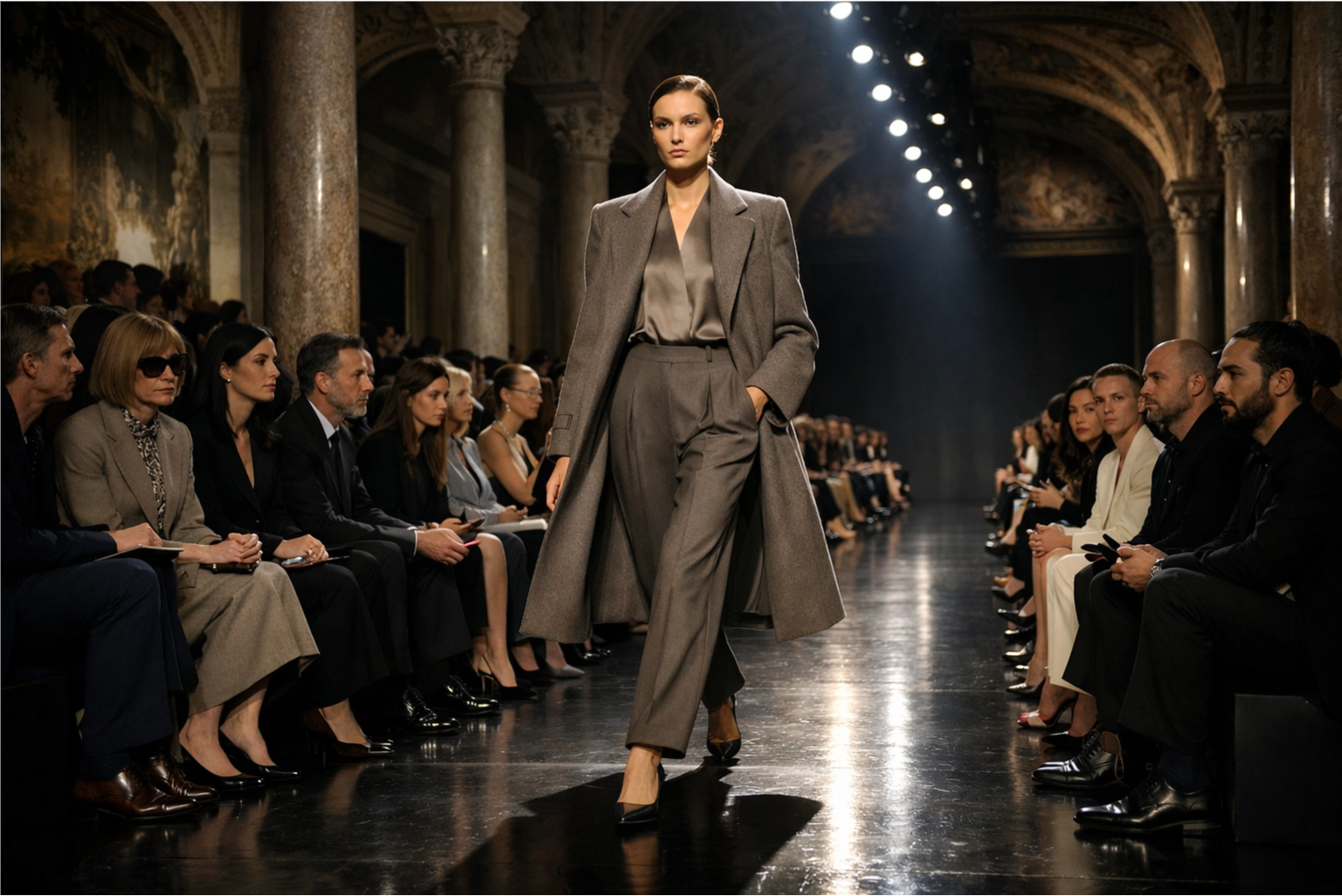
Milan Fashion Week Fall/Winter 2026 arrives February 24 through March 2 with a schedule that reads less like a fashion calendar than a case study in strategic creative transition. Demna presents his first proper runway show for Gucci after two seasons of lookbook introductions. Maria Grazia Chiuri debuts at Fendi following her departure from Dior. Meryll Rogge makes her entrance at Marni. Louise Trotter delivers her sophomore collection for Bottega Veneta after a debut that industry observers described as the strongest of the 2025 appointment cycle. And throughout, the Italian houses that anchor the week—Prada, Ferragamo, Emporio Armani, Tod's—continue demonstrating why seventy-eight percent of global luxury fashion production still occurs in Italy, despite labor costs that run three times higher than Eastern European or Asian alternatives.
For collectors who understand that significant fashion functions as material culture worthy of museum acquisition, this particular Milan week offers unusual density of transitional moments. New creative directors establishing their visions inevitably produce pieces that become historically significant—the first collection from an important tenure, the initial articulation of an aesthetic direction that will define a house for years. These aren't merely clothes to be worn and discarded; they're documents of creative vision that sophisticated collectors recognize as worthy of preservation.
Discover artists whose practices share Italian fashion's commitment to handcraft and material excellence at Artestial, where collecting emphasizes the human labor that transforms raw materials into objects of lasting significance.
The Geography of Craft
Why Milan Still Matters
The concentration of luxury fashion production in Italy persists not through accident or inertia but through infrastructure that decades of investment have created. From Como's silk mills to Tuscany's leather workshops, from Biella's wool production to Naples' tailoring ateliers, Italy maintains geographic clusters of specialized expertise that cannot be replicated simply by building factories elsewhere. When major French, British, and American luxury houses—Chanel, Dior, Hermès, and Ralph Lauren's upper lines among them—need components manufactured to the highest standards, they source from these same Italian workshops, regardless of where their headquarters sit.
The Camera Nazionale della Moda Italiana, which organizes Milan Fashion Week, represents more than event logistics. Founded in 1958 and now led by Carlo Capasa, the organization coordinates what amounts to a national industrial strategy disguised as fashion calendar. The twice-yearly showcases—February/March for Fall/Winter, September/October for Spring/Summer—generate direct economic impact measured in billions while maintaining Italy's position in the global luxury conversation.
This concentration explains why Milan Fashion Week matters differently than its counterparts. New York emphasizes commercial viability and American sportswear tradition. London celebrates emerging talent and avant-garde experimentation. Paris maintains haute couture's artistic primacy. Milan offers something distinct: the integration of craft production with creative direction, the demonstration that clothes imagined by designers actually get made by human hands in workshops where skills have accumulated across generations.
The Workshop Philosophy
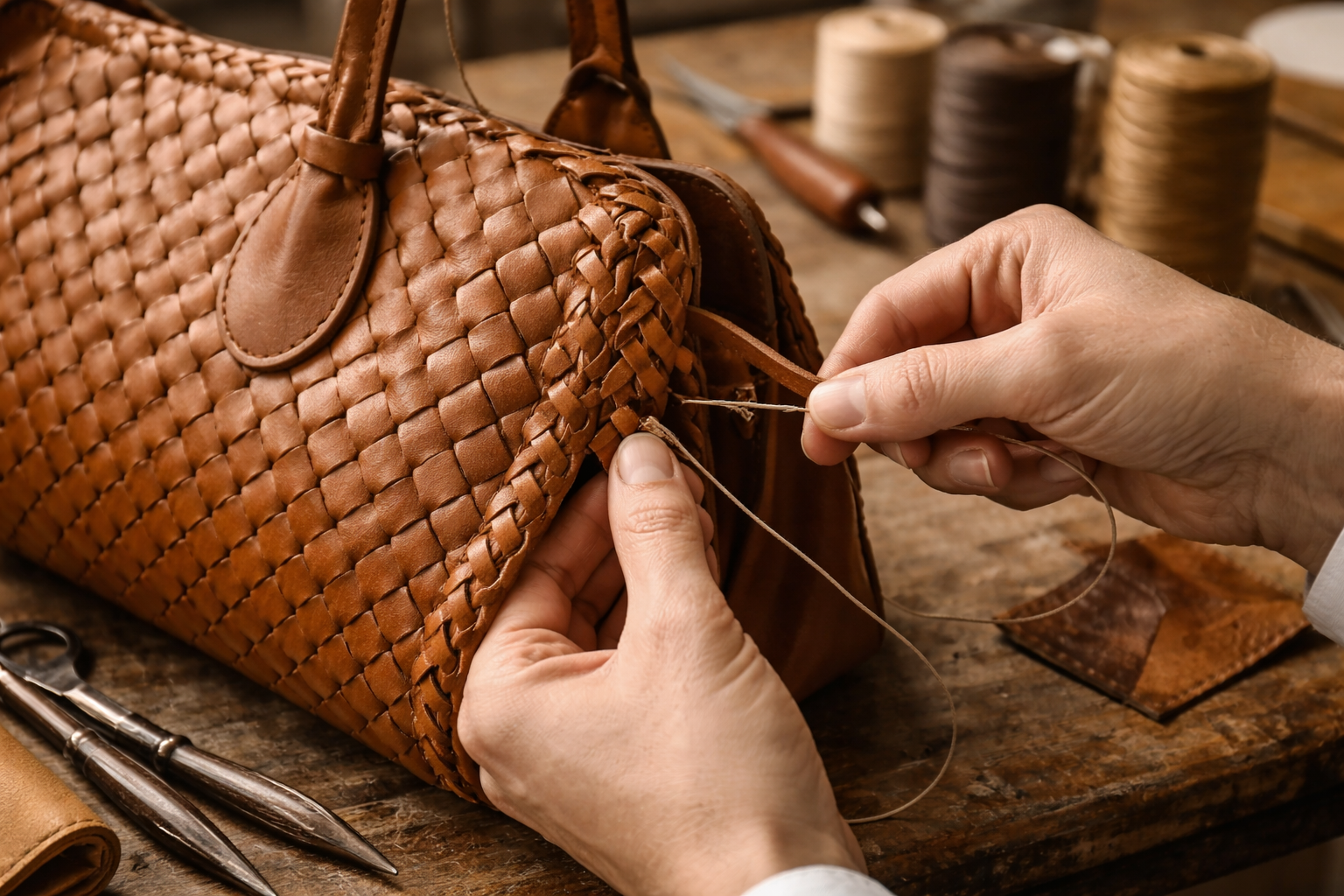
The Italian term "bottega" appears throughout luxury fashion's vocabulary not because marketing departments found it charming but because it describes something real. A bottega is a workshop—a place where master craftspeople train apprentices, where techniques pass through observation and practice rather than instruction manuals, where quality emerges from accumulated expertise rather than quality-control checklists.
Bottega Veneta took the word as its name precisely because the Venetian workshop ethos defined its approach from founding in 1966. The house's signature Intrecciato leather weaving technique, celebrating its fiftieth anniversary this year, exemplifies the bottega philosophy: labor-intensive work that machines cannot replicate, quality that reveals itself through years of use rather than immediate inspection, value that increases as the craft tradition behind it becomes rarer.
Similar workshop traditions underpin houses throughout Milan's schedule. Kiton maintains that garments should represent "the best of the best plus one"—an aspirational framing that translates into specific practices like hand-stitching and precise finishing by master artisans. Zegna's vertical integration, from sheep to shop through their Trivero mill, ensures control over materials and construction that purely design-focused houses cannot achieve. Brunello Cucinelli's "humanistic capitalism" approach—paying workers twenty percent above market rates, mandating ninety-minute lunches, prohibiting overtime—represents not corporate social responsibility theater but genuine investment in the conditions that enable excellent handwork.
The Creative Transitions
Demna's Gucci: From Appetizers to Main Course
The anticipation surrounding Demna's Friday, February 27 runway show for Gucci reflects both what he has already shown and what he has withheld. His September 2025 debut arrived not as a traditional show but as a lookbook titled "La Famiglia," photographed by Catherine Opie and accompanied by a short film called "The Tiger," directed by Spike Jonze and Halina Reijn and starring Demi Moore, Edward Norton, Ed Harris, and Elliot Page. The collection offered Italian archetypes—La Principessa in bubblegum-pink feathered gowns, La Diva in electric blue mock fur, La Gallerista in formfitting black pantsuits—that referenced both Alessandro Michele's character-building approach and Tom Ford's scantily clad cool while incorporating Demna's own Balenciaga vocabulary.
The strategy was deliberate: a foundation rather than a statement, a starting point rather than a thesis. The clothes went into stores immediately, ten global locations offering pieces for two weeks, testing commercial response before the full runway presentation. The December pre-collection extended the approach through a lookbook shot like a 1990s runway. Now, finally, comes the show itself—Demna's trademark medium, the format through which he transformed Balenciaga from respected archival house to cultural phenomenon through presentations in mud pits, at the New York Stock Exchange, and across various provocations that generated precisely the discourse luxury fashion requires to remain relevant.
For Gucci, a brand that Kering describes as its cash cow despite recent sales declines, Demna's arrival represents both creative reset and commercial necessity. His predecessor Sabato De Sarno lasted barely two years; Michele before him defined the house for nearly a decade before departing amid declining sales. The question isn't whether Demna can create memorable images—his Balenciaga tenure proved that capacity repeatedly—but whether his vision can translate into the sustained commercial performance that Kering requires.
Collectors watching this show should attend to how Demna balances heritage and provocation, whether the Italian archetypes of his debut evolve into something more distinctly his own, and what pieces emerge as likely historical documents of this creative transition. First runway collections from important appointments often produce objects that appreciate significantly as the designer's tenure proves consequential.
Trotter's Second Act at Bottega Veneta
Louise Trotter's Saturday, February 28 show carries different pressures than Demna's debut. Her September 2025 first collection received acclaim that established expectations any sophomore effort must meet. The 4,000-hour cape became an instant icon of craft devotion. The recycled fiberglass pieces—sweaters and skirts in silver-blue, red, and orange that seemed lit from within—demonstrated material innovation within traditional silhouettes. The reworked Lauren bag, elongated and recontextualized from its "American Gigolo" origins, showed how archive mining could produce contemporary relevance.
Trotter arrived at Bottega Veneta as the only woman holding a creative director position at a major luxury fashion house in the current appointment cycle—a distinction that reflects poorly on the industry rather than exceptionally on her. Her previous tenures at Joseph, Lacoste, and Carven established expertise in what she calls "soft functionality": clothes that working women actually want to wear, that enable rather than constrain, that achieve elegance without demanding suffering.
The sophomore collection presents a classic creative challenge: having established vocabulary, how does a designer develop it without repeating themselves? Trotter's debut centered Intrecciato so thoroughly—appearing not just on bags but throughout ready-to-wear, in removable collars and Bermuda shorts and jacket flaps—that the question becomes whether she can now move beyond it or whether the technique will define her tenure entirely. The 60th anniversary celebrations that continue through 2026 suggest Intrecciato will remain central, but collectors should watch for how she extends beyond the September foundation.
The Fendi Reset
Maria Grazia Chiuri's Wednesday, February 26 debut at Fendi brings her back to Rome, her home city, after years at Dior in Paris. The appointment represents Fendi's search for identity within the LVMH portfolio—a brand that commands respect but struggles to distinguish itself from "big brothers" Louis Vuitton and Dior. Chiuri's Dior tenure demonstrated commercial reliability if not critical unanimity; she produced collection after collection, including haute couture, without apparent fatigue, generating sales that justified her position regardless of reviews.
Her final Dior show, held in the gardens of Villa Torlonia in Rome, suggested that Italian settings brought out something more personal in her work. The question now is whether that comfort translates into a distinct Fendi vision or whether her reliable commercialism will produce competent but undistinguished collections. Collectors interested in Fendi should watch this debut closely: if Chiuri establishes something genuinely new rather than merely professional, early pieces could prove significant.
Marni's New Direction
Meryll Rogge's Thursday, February 26 debut at Marni brings a designer beloved by press and insiders to a platform that could establish global recognition. Her work at Marc Jacobs (seven years) and Dries Van Noten (four years as head of women's design) established credentials; her eponymous label demonstrated personal vision. Whether that vision translates to Marni's specific heritage—the house's art-world connections, its offbeat sensibility, its position as Renzo Rosso's OTB group's prestige vehicle—remains to be seen.
The Heritage Anchors
Prada's Intellectual Rigor
Prada shows Thursday, February 26, continuing the co-creative direction that Miuccia Prada shares with Raf Simons. Recent collections have drawn criticism for feeling "overly cerebral and inaccessible," with the Fall 2026 menswear show generating particular controversy. Yet Prada's commercial performance and cultural influence remain substantial; the house's acquisition of Versace in late 2025 positions it as the foundation of an Italian luxury group that could compete with French conglomerates LVMH and Kering.
For collectors, Prada pieces from this period may prove historically significant regardless of immediate reception. The Prada-Simons collaboration represents an unusual creative structure—two designers sharing responsibility, each bringing distinct perspectives—that could prove a transitional moment in how major houses approach creative direction. The intellectual density that frustrates some reviewers may reward collectors who recognize these pieces as documents of a specific artistic moment.
The Versace Question Mark
Versace will notably not show this season, a consequence of the creative disruption following Prada Group's acquisition. Designer Dario Vitale, hired after Donatella Versace's departure and fired December 12, 2025 after just one collection, has been replaced by Alaïa designer Peter Mulier—but Mulier's start date isn't until July 1, 2026, leaving the brand to conduct buyer appointments without a runway presentation.
This absence creates an interesting collecting dynamic: Vitale's single Versace collection, whatever its reception, becomes automatically scarce and historically significant as the only collection from a brief but consequential tenure. Collectors who acquired pieces from that showing may find themselves holding documents of a creative direction that will never develop further.
Bottega's Competition
Tod's shows Friday, February 27, continuing to navigate its position as a heritage leather goods house distinct from but inevitably compared to Bottega Veneta. The footwear presentations from Jimmy Choo, Stuart Weitzman, Gianvito Rossi, and Giuseppe Zanotti—all showing the same day as Demna's Gucci debut—demonstrate Milan's depth in leather craftsmanship beyond the runway houses.
Ferragamo, Missoni, and Giorgio Armani continue their regular schedules, providing the consistency that anchors Milan weeks while newer appointments generate attention. Armani's Sunday, March 1 show arrives as the first women's ready-to-wear collection fully conceived without Giorgio Armani's direct input following his death—a transition that collectors should watch closely for how the house maintains or evolves its founder's vision.
The Collector's Framework
Fashion as Material Culture
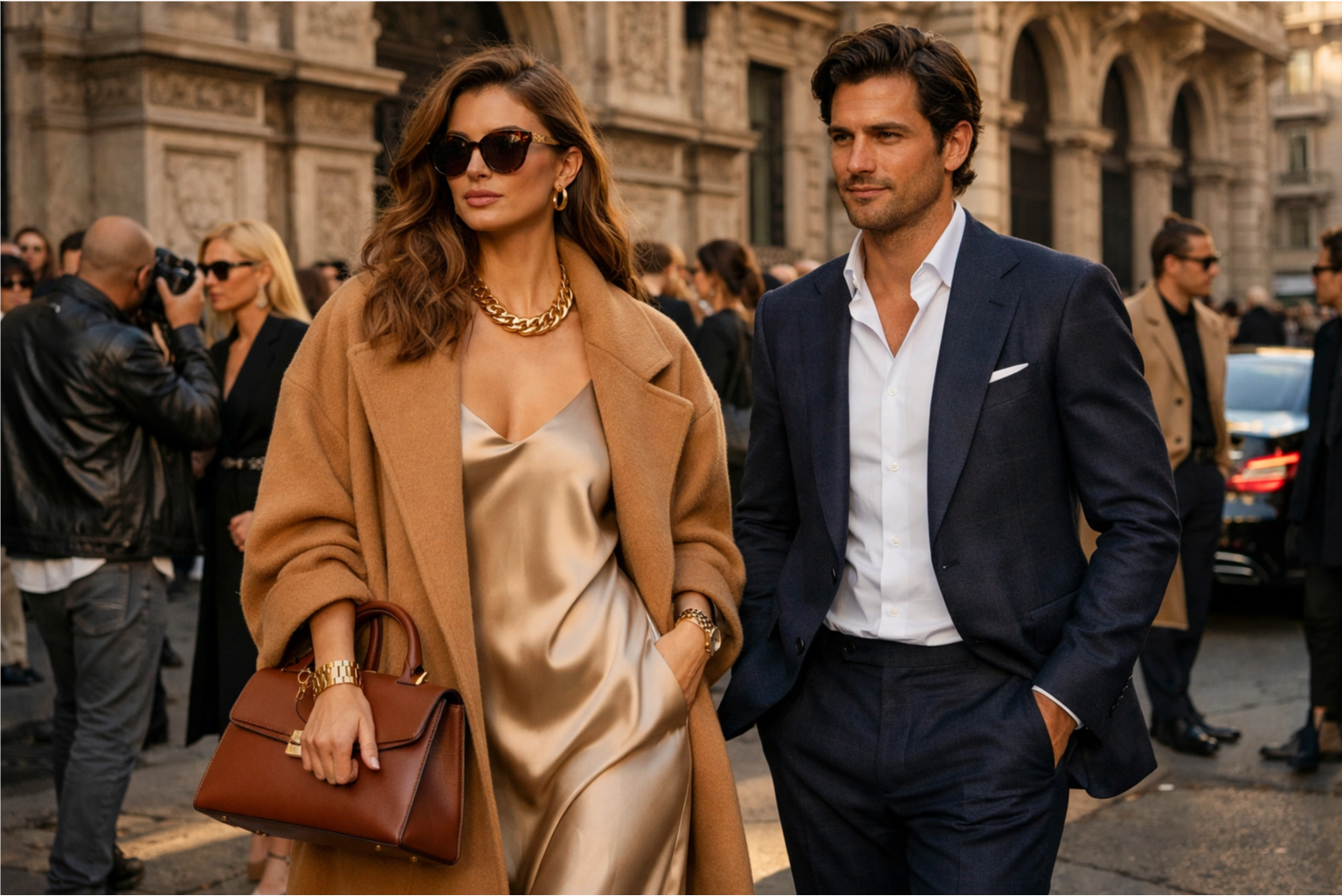
The objects that emerge from Milan Fashion Week function simultaneously as commercial product, artistic expression, and cultural document. This multiplicity distinguishes fashion collecting from most art collecting: the pieces exist to be worn, to function in daily life, to accumulate the marks of use that either damage or enhance their significance depending on how one frames the question.
Museums increasingly recognize fashion's cultural importance. The Met's Costume Institute, the V&A's fashion collections, dedicated fashion museums in Paris, Tokyo, and Antwerp—all demonstrate institutional acceptance that significant garments merit preservation alongside paintings and sculpture. Yet the acquisition pathways differ substantially from fine art. Fashion rarely enters secondary markets with the predictable patterns of auction houses and galleries; pieces circulate through vintage dealers, private sales, and estate disposals that require different research and authentication approaches.
The collector-focused approach to Milan Fashion Week involves several considerations that casual observers miss. Which pieces from new creative directors' debut collections will become historically significant? Which heritage house productions represent the finest execution of craft traditions that may not survive another generation? Which experimental techniques—like Bottega Veneta's recycled fiberglass constructions—represent material innovations worthy of preservation?
Acquisition Strategies
Unlike art fairs where collectors can acquire work directly from galleries, fashion week primarily showcases wholesale offerings that will reach retail months later. The gap creates both challenge and opportunity. Collectors cannot acquire pieces immediately but can use runway presentations to identify future targets, establishing relationships with retailers or placing pre-orders for pieces expected to prove significant.
The secondary market for significant fashion differs from art's established auction structures. Vintage dealers specializing in designer pieces, consignment platforms focused on luxury goods, and private networks connecting collectors operate with less transparency than Christie's and Sotheby's provide for fine art. Provenance documentation varies widely; a garment's history often exists only in its previous owner's memory rather than paper trails.
Authentication presents its own challenges. Unlike paintings that can undergo technical analysis, fashion authentication typically depends on expert assessment of construction details, labels, materials, and styling that requires specialized knowledge. The major auction houses maintain costume and fashion departments with this expertise, but much of the market operates without their standards.
Investment Considerations
Fashion collecting involves different return profiles than fine art investment. Most garments depreciate immediately upon purchase, like automobiles leaving the lot. Only exceptional pieces—historically significant designs, limited productions, items associated with notable provenance—appreciate over time. The collector who acquires a Demna Gucci piece from this first runway show is making a bet on the designer's tenure proving consequential enough that early work becomes historically valuable.
Storage and conservation requirements parallel fine art concerns. Climate control, proper hanging or flat storage, protection from light and pests, appropriate handling protocols—all contribute to long-term preservation. The fragility of vintage textiles makes conservation a genuine concern; unlike paintings that can often be restored, damaged garments may be irreparably compromised.
Insurance valuations for fashion collections require specialists who understand both the market and the conservation issues. Standard homeowner's policies rarely provide adequate coverage; dedicated fine art and collectibles policies better address the specific risks and values involved.
Explore contemporary artists whose material practices reward the collector's attention to craft and provenance at Artestial, where significant work emerges from the same devotion to handwork that defines Milan's finest fashion houses.
The Craft Continuum
Techniques Worth Preserving
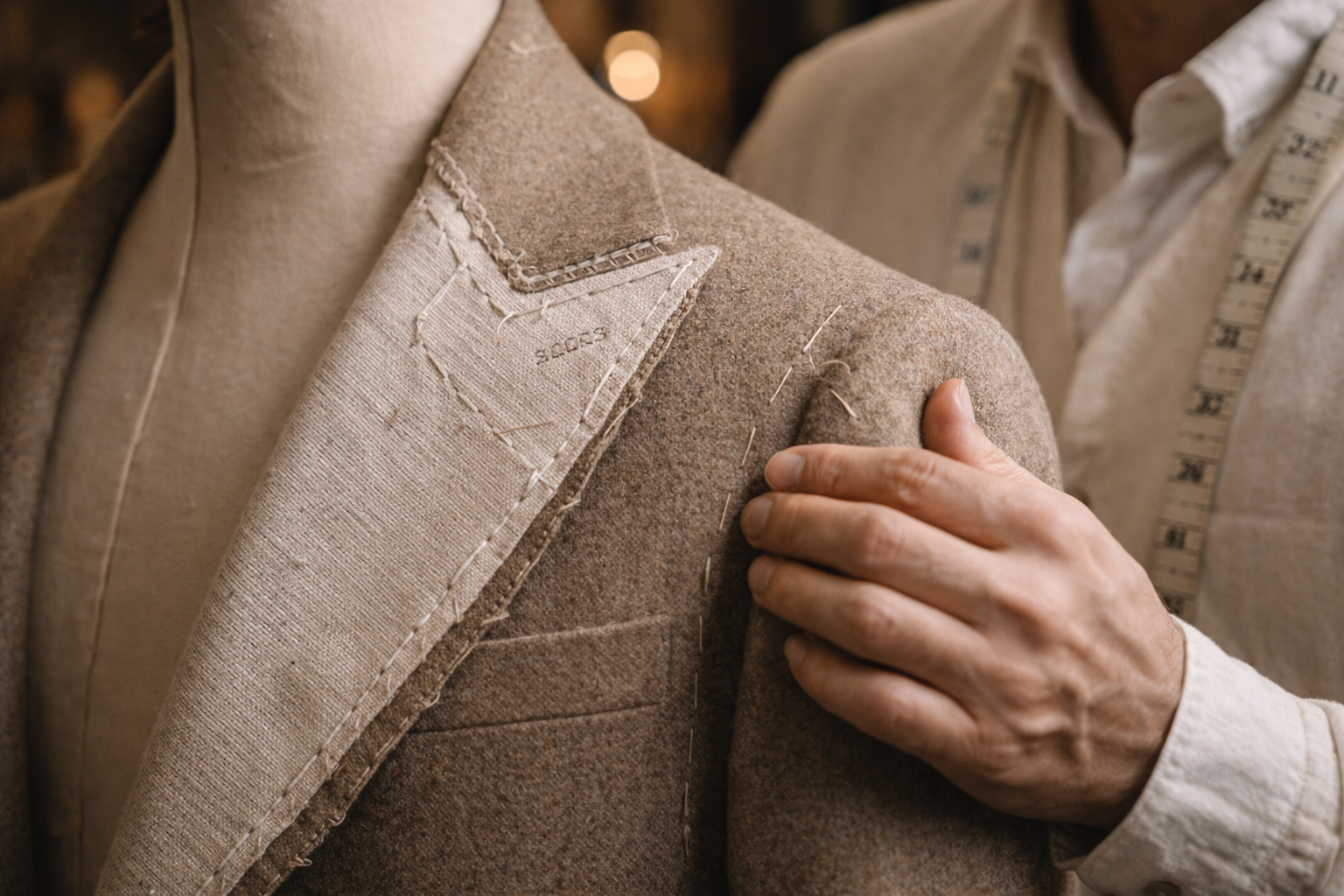
Milan Fashion Week showcases techniques that exist nowhere else at equivalent quality levels. Neapolitan tailoring's "spalla camicia"—the soft shoulder construction that allows natural movement—requires training that spans years and a cultural context that values such investment. Venetian leather weaving of the sort Bottega Veneta maintains demands not just skill but the specific leather qualities that Italian tanneries produce. Como's silk production integrates agricultural, chemical, and textile knowledge accumulated across centuries.
These techniques face existential pressures. The artisans who possess them age out of practice; apprenticeships that once seemed natural career paths now compete with industries offering easier money for less demanding work. The economics favor machines over hands whenever quality differences become marginal enough that consumers cannot distinguish. Each Milan Fashion Week represents not just commercial presentation but cultural preservation—demonstration that these techniques remain viable, that demand for hand-produced work persists, that the economics can still support human craft.
Collectors who acquire pieces representing the finest execution of endangered techniques are not merely purchasing garments; they're preserving evidence of human capability that may not survive in practice. The 4,000-hour Bottega Veneta cape exists in perhaps a dozen examples worldwide; the skills that produced it exist in perhaps a few hundred craftspeople, aging daily, training successors with diminishing frequency.
The Sprezzatura Principle
Italian fashion's defining quality may be what the language calls "sprezzatura"—studied nonchalance, the appearance of effortlessness that conceals tremendous effort. A suit fits perfectly but doesn't announce its perfection. Leather ages gracefully, becoming more beautiful through use rather than deteriorating. Colors and textures complement rather than compete. The overall effect seems natural, inevitable, as though the wearer simply happens to look this good rather than having invested considerable thought and resources.
This aesthetic philosophy distinguishes Italian luxury from alternatives that favor obvious opulence or aggressive branding. The quiet luxury movement that has dominated recent fashion discourse essentially describes what Italian houses have practiced for decades: quality that communicates to those capable of recognizing it without requiring logos or display. When Bottega Veneta operated under the motto "when your own initials are enough," it articulated an Italian principle that extends far beyond one house.
For collectors, sprezzatura presents both opportunity and challenge. The pieces that best embody the principle don't announce themselves; they require the educated eye that distinguishes excellent construction from adequate imitation. The collector who recognizes a Kiton suit's quality from across a room possesses knowledge that most observers lack—and that knowledge enables acquisition of pieces that others overlook.
Navigating the Week
The Schedule Structure
Milan Fashion Week Fall/Winter 2026 spans seven days, from Tuesday, February 24 through Monday, March 2, with shows concentrated in the fashion district around Via Montenapoleone and the Quadrilatero della Moda, though significant presentations occur throughout the city. The Camera Nazionale della Moda Italiana publishes official schedules indicating runway shows, presentations, and appointments.
Key dates for collectors to watch include Thursday, February 26 for Prada and the Marni and Fendi debuts; Friday, February 27 for Demna's Gucci runway and Tod's; Saturday, February 28 for Bottega Veneta; and Sunday, March 1 for Giorgio Armani. The concentration of transitional moments—new creative directors establishing their visions—makes this particular week unusually dense with potential significance.
Presentations occur at various venues throughout Milan, from historic buildings like the courtyard of Accademia delle Belle Arti di Brera and the seventeenth-century cloister of the State Archive to contemporary spaces like Fondazione Prada and Frigoriferi Milanesi. The Fashion Hub at Spazio Cavallerizze, part of the Science and Technology museum, serves as central gathering point.
Beyond the Runway
Milan Fashion Week encompasses more than runway shows. The Fashion Hub Market reveals prêt-à-porter and accessory collections from emerging brands to international press and buyers. The White salon, dedicated to womenswear and accessories from emerging brands, operates across four Via Tortona locations. Vogue World: Milano brings editorial attention to Italian fashion, craftsmanship, and creativity.
For collectors, these satellite events often prove more productive than runway shows, which remain invitation-only for industry insiders. Emerging brands showcasing at White or the Fashion Hub may represent the next generation of Italian craft excellence—designers and producers whose current accessibility will diminish as recognition grows. The collector who identifies quality early, before market consensus establishes value, positions themselves advantageously.
The Premio Maestri d'Eccellenza, launched by Métiers d'Excellence LVMH, Fondazione Bvlgari, Confartigianato Imprese, and Camera Nazionale della Moda Italiana, celebrates Italian craftspeople in its fourth edition. Such initiatives represent industry recognition that the artisan base requires cultivation and recognition to survive—and indicate which craftspeople major houses consider most significant.
Conclusion: The Art of the Unnecessary
Milan Fashion Week represents, at its finest, an art of the unnecessary. The 4,000 hours invested in a single cape serve no practical purpose that a machine-woven alternative couldn't address. The hand-stitching that distinguishes Neapolitan tailoring functions no better than automated alternatives. The silk from Como looms could be replicated more cheaply elsewhere. Every piece that emerges from Italy's luxury workshops represents a deliberate choice to invest human time and skill where economics would suggest simpler solutions.
This is precisely why collectors value what Milan produces. The unnecessary labor, the excessive devotion, the impractical commitment to techniques that simpler methods could approximate—these represent human creativity refusing to surrender to efficiency. In a world where algorithms and automation optimize increasingly larger domains of production, the objects that emerge from human hands working at the limits of their capability become correspondingly precious. They document what we could do, not merely what we needed to do.
The creative transitions defining this particular Milan week—Demna establishing his Gucci vision, Trotter developing her Bottega Veneta vocabulary, Chiuri resetting at Fendi, Rogge debuting at Marni—represent moments when houses reinvent themselves while maintaining craft traditions that span generations. The designers arriving are not merely creating new collections; they're inheriting infrastructures of skill and expectation, accepting responsibility for workshops that might otherwise lose purpose, channeling creative vision through techniques that survived centuries.
For collectors watching these presentations, the question isn't merely aesthetic preference—which collections appeal, which pieces attract. The question is historical: which of these transitional moments will prove significant, which pieces will document creative visions that reshape how we understand what fashion can accomplish? The answers emerge only over time, but the collecting opportunity exists now, in the gap between presentation and historical verdict.
Ready to discover contemporary work that shares Italian fashion's commitment to human craft and material excellence? Visit Artestial where collectors find artists whose practices reward the attention to handwork that distinguishes significant objects, or connect with specialists for guidance building collections worthy of the craft traditions that Milan Fashion Week celebrates.
Frequently Asked Questions
How can collectors access pieces from Milan Fashion Week runway shows?
Unlike art fairs where collectors can purchase directly from exhibitors, Milan Fashion Week functions as wholesale presentation—designers showing next season's collections to buyers who will stock pieces in their retail locations. Collectors cannot typically acquire runway pieces immediately but can use presentations to identify significant work for later acquisition. The primary market pathway involves pre-ordering through luxury retailers who receive allocations, establishing relationships with boutiques that stock desired brands, or working with personal shoppers who can access pieces before they sell out.
The secondary market offers additional pathways, though timing varies significantly. Some pieces appear on consignment platforms within seasons of their runway debut as original purchasers rotate wardrobes; others require years of patient searching through vintage dealers and private sales. Historical pieces from important collections—debut collections from significant creative directors, final collections from departing designers, pieces that embodied defining moments—command premiums that reflect their documentary significance rather than merely their aesthetic appeal.
For collectors specifically interested in craft-significant pieces like Bottega Veneta's limited Intrecciato productions, direct relationships with the houses sometimes enable access to archive pieces or special orders that bypass standard retail channels. These relationships develop over time through demonstrated collecting commitment and typically require substantial purchase histories to establish.
What distinguishes collectible fashion from ordinary luxury purchases?
The distinction between collectible fashion and luxury consumption involves several factors that separate investment-grade pieces from everyday high-end purchases. Historical significance matters enormously: debut collections from important creative directors, pieces that define transitional moments in house history, garments that establish techniques or aesthetics that prove influential—these carry documentary value beyond their material worth. Scarcity amplifies value; limited production runs, pieces that sold poorly at retail (and thus exist in small quantities), or items damaged during production that never reached full distribution all command premiums from collectors seeking rare examples.
Craft intensity provides another axis of distinction. The pieces requiring extraordinary labor—Bottega Veneta's 4,000-hour cape, Kiton's hand-finished suits, couture pieces with embroidery requiring hundreds of hours—represent human investment that machines cannot replicate. As the artisan populations capable of such work diminish, pieces documenting their capabilities become correspondingly significant. Provenance adds value when pieces can be traced to notable original owners, significant events where they were worn, or documented inclusion in editorial or museum contexts.
Condition proves critical for fashion collecting in ways that parallel but exceed fine art concerns. Textiles degrade; wear produces damage that cannot always be reversed; alterations diminish value even when expertly executed. Pieces maintained in unworn condition with original tags, protective garment bags, and documentation command significant premiums over equivalent designs showing use. The collector must balance desire for historical significance against preservation requirements—a runway sample with documented provenance may prove more valuable than retail pieces despite condition variations.
How should collectors approach authentication for vintage or significant fashion pieces?
Authentication challenges in fashion collecting differ substantially from fine art verification. While paintings can undergo technical analysis—X-ray examination, pigment dating, canvas analysis—fashion authentication typically depends on expert assessment of construction details, labels, materials, and hardware that requires specialized knowledge. The major auction houses maintain costume and fashion departments with staff capable of authentication; Christie's, Sotheby's, and Bonhams regularly include fashion lots that have undergone their vetting processes.
Independent authentication becomes more challenging. Several organizations and experts offer authentication services for specific brands or eras, but the field lacks the institutional structure that fine art authentication enjoys. Collectors should seek authentication from individuals with documented expertise—former fashion house employees, museum curators with relevant specializations, scholars who have published on specific designers or techniques. Documentation supporting authentication should include detailed condition reports, specific construction elements that confirm authenticity, comparison with documented authentic examples, and clear articulation of any concerns or qualifications.
The risks of acquiring inauthentic pieces vary by brand and era. Contemporary luxury fashion faces significant counterfeiting; popular pieces from houses like Bottega Veneta, Gucci, and Prada circulate in sophisticated fakes that require expert examination to identify. Vintage pieces face different challenges—authentic pieces may have been altered, labels may have been swapped between garments, or pieces may represent unauthorized productions by licensed manufacturers who exceeded their agreements. Collectors should approach authentication as essential investment protection rather than optional verification.
What conservation and storage requirements apply to fashion collections?
Conservation requirements for fashion collections parallel those for works on paper and textiles: climate control maintaining stable temperature (ideally 65-70°F) and humidity (45-55% relative humidity), protection from light exposure that fades dyes and degrades fibers, prevention of pest damage through proper storage and periodic inspection, and appropriate support that prevents stress on construction. Hanging versus flat storage depends on garment construction; heavy pieces may stretch when hung, while flat storage may cause creasing that becomes permanent in aged textiles.
Acid-free tissue paper should cushion folds and fills to prevent permanent creasing. Garment bags should allow air circulation while protecting from dust and light; plastic bags trap moisture and can cause deterioration. Cedar or herbal pest deterrents may help discourage insects, but direct contact with textiles should be avoided. Handling should use clean cotton gloves to prevent skin oils from contacting fabrics.
Professional conservation becomes necessary when damage occurs or when pieces require preparation for loan, exhibition, or sale. Fashion conservators—distinct from tailors or alterations specialists—possess expertise in stabilizing fragile textiles, reversible repairs that preserve authenticity, and documentation standards that museums and auction houses recognize. Major conservation programs exist at institutions like the Costume Institute and various museum textile departments; independent conservators with relevant credentials can address private collection needs.
How does Milan Fashion Week relate to other fashion week collecting opportunities?
Milan Fashion Week occupies a specific position within the broader fashion calendar that creates distinct collecting dynamics. The February/March Fall/Winter shows follow New York and London while preceding Paris, positioning Milan as a point where trends emerging in New York and London become further articulated before Paris provides final synthesis. The craft emphasis that distinguishes Milan—the concentration of production expertise, the workshop traditions that underpin presentations—creates collecting opportunities centered on construction quality rather than purely conceptual innovation.
Paris Fashion Week, concluding the season, typically generates the most editorial attention and commands the highest prices at auction for equivalent pieces. Haute couture, exclusive to Paris, represents fashion's pinnacle in terms of craft investment and price point. New York Fashion Week offers accessibility that other weeks lack—more emerging designers, more commercial orientation, more pathway from runway to retail. London Fashion Week emphasizes emerging talent and experimentation in ways that create early-acquisition opportunities for collectors willing to take creative risks.
The collector interested specifically in craft excellence—hand production, workshop traditions, material quality at the highest levels—finds Milan most consistently rewarding. The Italian production infrastructure that supports Milan's presentations extends beyond fashion week itself; the workshops and mills operate year-round, producing both runway pieces and production quantities that offer multiple acquisition points. Understanding this infrastructure enables collecting strategies that leverage relationships with producers as well as designers, potentially accessing craft excellence at various price points depending on specific interest in named design versus material quality.
Ready to explore contemporary work that shares Italian fashion's devotion to human craft and lasting significance? Visit Artestial where collectors find artists whose material practices reward sustained attention, or connect with specialists for guidance building collections worthy of the making traditions that define genuine luxury.
Curating excellence, one insight at a time.
— AURUM Team
Disclaimer: This article provides cultural commentary on fashion week events and fashion collecting for informational purposes only. It does not constitute investment advice regarding fashion acquisitions, authentication guidance, or recommendations for specific purchases. Fashion collecting involves substantial risks including depreciation, authentication challenges, and market illiquidity; prospective collectors should conduct independent research and consult qualified specialists before making significant acquisitions. Price points, designer appointments, and event details reflect information available as of February 2026 and may change. No financial relationships exist between the author or publication and mentioned fashion houses, designers, or retailers. Attendance at fashion week events typically requires industry credentials or special invitation; this article does not provide guidance on obtaining such access.