

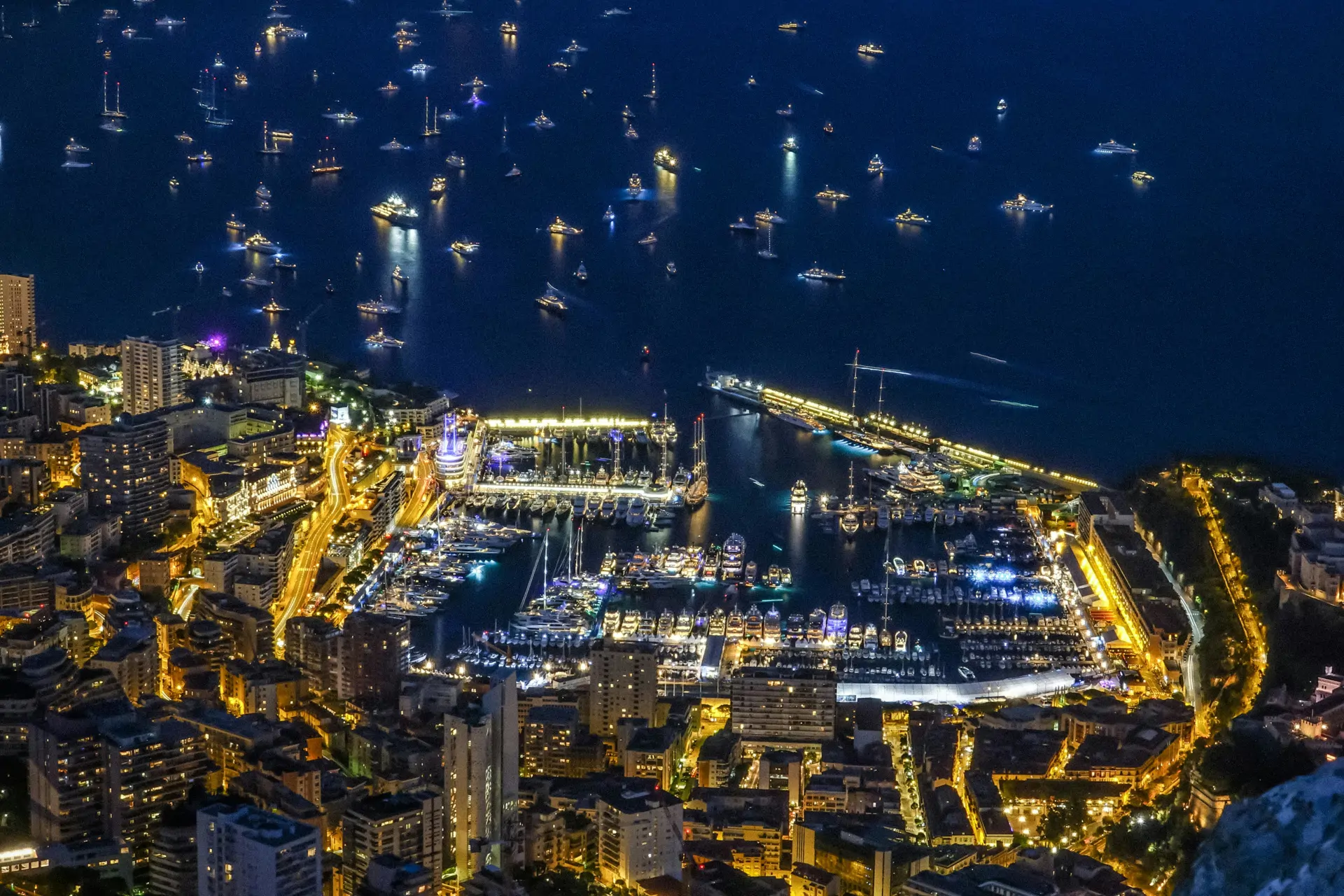
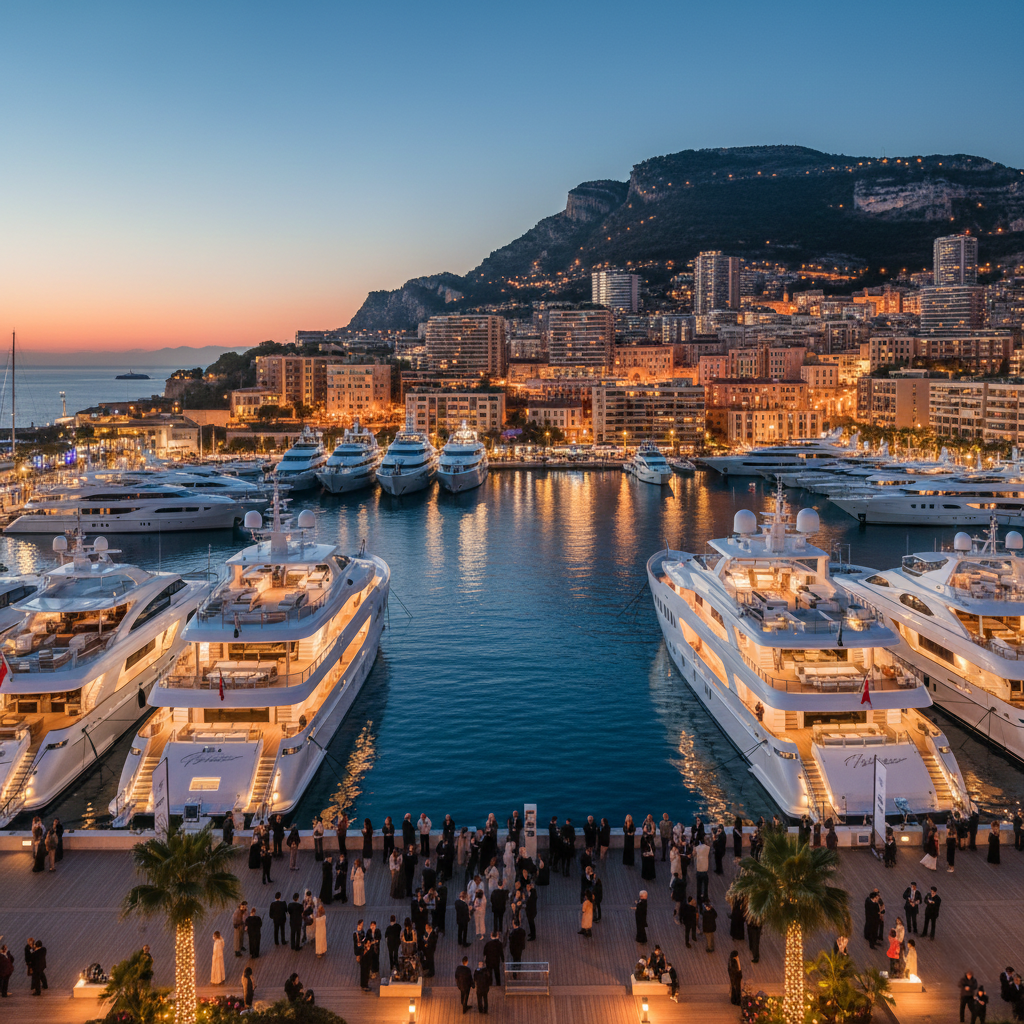
Port Hercule transforms every September. Pristine superyachts line the docks like floating palaces. The Mediterranean sun glints off polished teak and gleaming metalwork. Monte Carlo's legendary architecture provides a theatrical backdrop.
This isn't merely a boat show. The Monaco Yacht Show represents where contemporary art intersects with nautical engineering. Collectors who appreciate fine art increasingly discover that superyachts function as mobile galleries. Custom commissions by renowned artists adorn owner suites. Museum-quality pieces integrate seamlessly with interior design.
The 2026 edition runs September 23-26. Over one hundred twenty superyachts will display at Port Hercule. Fifty new models debut as world premieres. This four-day gathering attracts thirty thousand visitors, including collectors, designers, and industry leaders. For those who collect across mediums—paintings, sculptures, and now vessels themselves—the Monaco Yacht Show offers unique opportunities where artistic vision meets maritime craftsmanship.
The Evolution of Yachts as Artistic Platforms
Superyacht design has transcended pure functionality. Modern owners commission vessels as expressions of personal taste and artistic vision. Interior spaces rival contemporary galleries in sophistication and curation.
Art integration began modestly. Owners hung favorite paintings in saloons. They displayed sculptures on decks. This evolved dramatically over the past decades. Now designers collaborate with artists from the initial concept stages. Commissioned works complement architectural elements. Materials selection considers how art will interact with spaces.
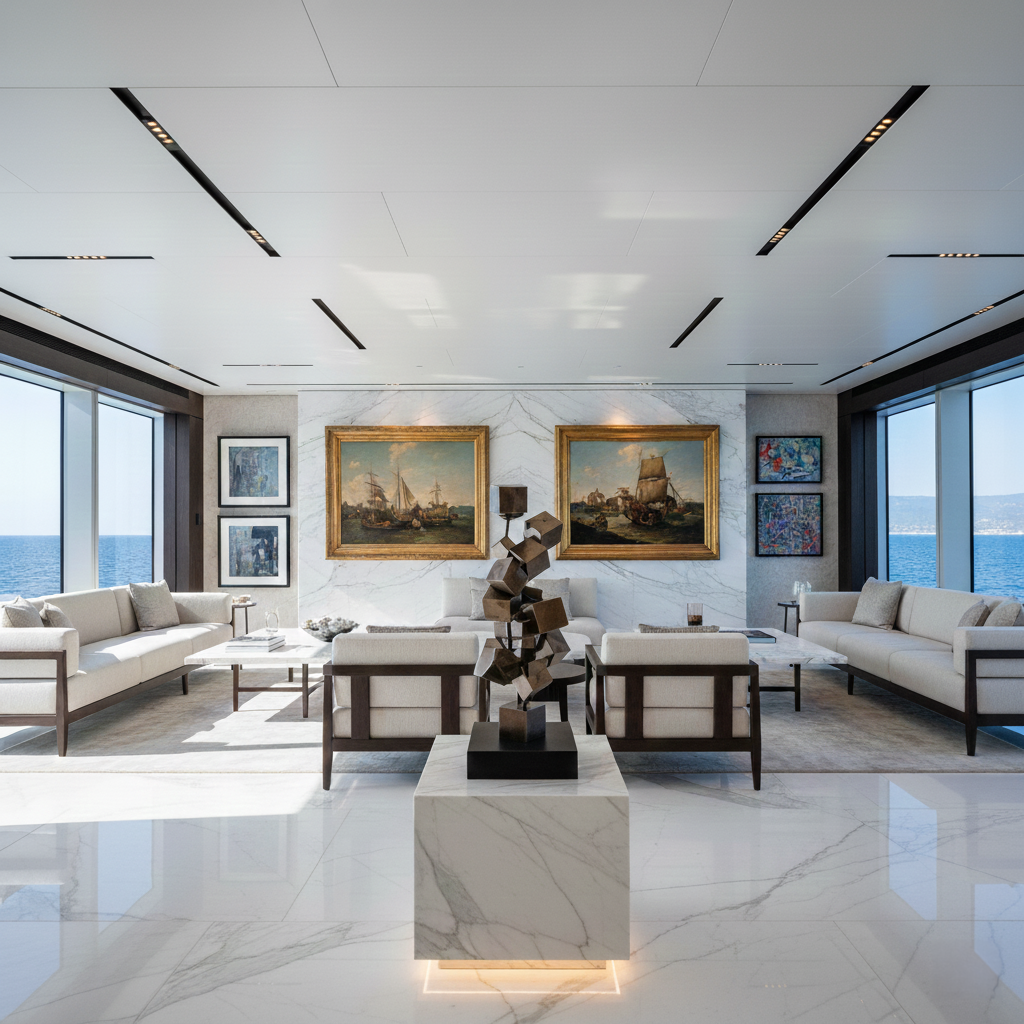
Contemporary vessels feature bespoke art programs. Oceanco's designs frequently incorporate specially commissioned murals. Artists create pieces specifically scaled for yacht interiors. These aren't afterthoughts—they're fundamental design elements planned alongside naval architecture.
A 2023 industry study revealed that sixty percent of yacht owners consider art curation essential to their design process. This represents a philosophical shift. Superyachts function as floating residences where owners spend significant time. The same aesthetic standards applying to shore homes now extend to vessels.
Leading designers like Winch Design and Reymond Langton routinely incorporate gallery-worthy art programs. They work with consultants specializing in maritime art placement. These specialists understand unique challenges: humidity control, vibration dampening, weight distribution, and international customs requirements.
Monaco Yacht Show 2026: What Collectors Should Know
The thirty-fourth annual Monaco Yacht Show promises exceptional curation. Nearly five hundred sixty exhibitors will showcase maritime excellence. The event spans Wednesday through Saturday, with Wednesday reserved for invited guests and Sapphire Experience pass holders.
Port Hercule's layout is divided into specialized zones. The Dockside Area features berthed superyachts available for viewings. Exhibitors occupy strategically positioned stands displaying equipment, technology, and services. The Upper Deck Lounge provides an exclusive space where collectors meet designers and artisans.
New for 2026, the Blue Wake program highlights sustainable innovation. This initiative evolved from the 2022 Sustainability Hub. Exhibitors must meet rigorous environmental criteria. The program spotlights companies advancing eco-conscious yachting without compromising luxury. Collectors increasingly value sustainability alongside aesthetics.
The Adventure Area showcases tenders, water toys, and luxury vehicles. This section appeals to collectors interested in complete lifestyle packages. Luxury automobiles, helicopters, and personal submarines complement yacht ownership. Everything reflects the same attention to craft and design excellence.
Guillaume Plisson's photography exhibition "Tribute to Yachting" debuts at the show. The French photographer built his career documenting maritime beauty. His sensitive perception of yachting life resonates with collectors. The exhibition preview occurs at the opening party before public display throughout the event.
Planning ahead proves essential. Yacht viewings require pre-scheduled appointments. Popular vessels book quickly. Brokers recommend contacting them months in advance to secure desired appointments. The Sapphire Experience VIP program offers priority access and exclusive events, including gala evenings and private receptions aboard prestigious yachts.
Art-Infused Superyachts Making Waves
Several notable vessels showcase art-forward design philosophies. These floating galleries demonstrate how seriously owners approach curation. Each represents different collecting approaches and aesthetic visions.
The Royal Hakvoort yacht Revelry stands as a prime example. Owners commissioned interior designer David Ostrander of Illuminus Design Group. The vessel features works by Roy Lichtenstein and Frank Stella. These aren't prints—original pieces chosen specifically for their maritime installation.
Charter yacht Northern Sun displays nautical antiquities collected over decades. The artwork depicts shipping through the ages from clipper ships to twentieth-century passenger liners. Fine carpets from Middle Eastern weavers complement the collection. Everything reflects the owners' personal connection to maritime history and international travels.
Jon Bannenberg-designed Libra Y takes a contemporary photography approach. Works by Nobuyoshi Araki and Piotr Uklanski hang alongside pieces by Louise Lawler and Roni Horn. The owner's favorite piece—Matthew Barney's photograph of Björk—occupies a prominent position. This collection demonstrates how modern photography translates effectively to yacht interiors.
Designer Rémi Tessier, known for Nahlin and Vava II, insists contractually on oversight of art placement. He refuses to work with clients who might compromise his reputation among art collectors. This professional standard ensures aesthetic coherence between architecture and artwork.
Mark Berryman specialized in contemporary yacht interiors. His refit of Indian Empress (now H) required balancing the owner's modern art collection with traditional yacht interiors. The solution involved redesigning spaces to complement contemporary Indian art. The vessel demonstrates how refits can transform older yachts into suitable art platforms.
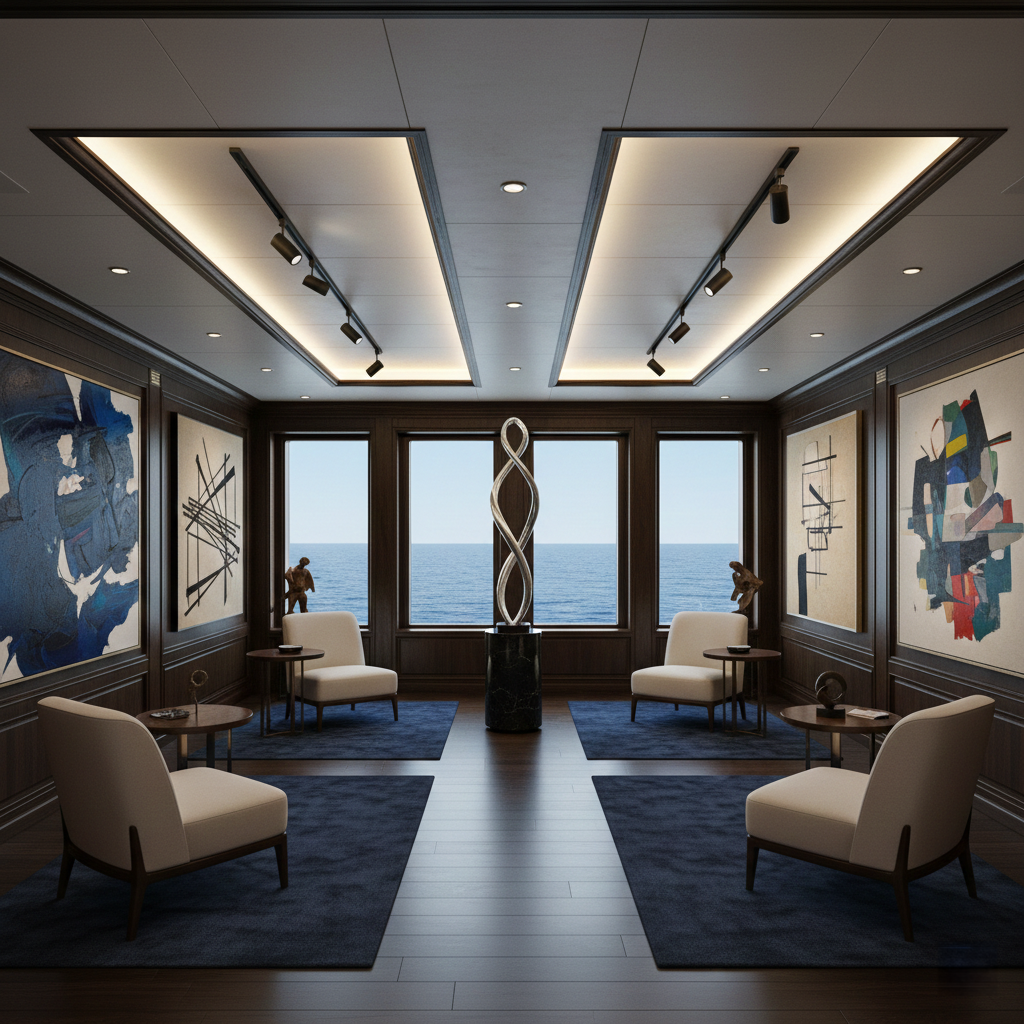
These examples illustrate varying approaches. Some collectors favor blue-chip contemporary names. Others pursue thematic collections tied to maritime history. Still others commission bespoke pieces specifically for their vessels. No single approach dominates—personal taste guides decisions just as in shore-based collecting.
The Design Studios Shaping Art-Forward Yachts
Elite design firms understand that art integration fundamentally differs from traditional residential projects. Maritime environments present unique challenges requiring specialized expertise.
Winch Design stands among the industry's most prestigious studios. Their collaboration with luxury furniture brand Promemoria created custom furnishings doubling as hidden storage. This practical elegance typifies their approach. They balance aesthetic beauty with maritime functionality.
Reymond Langton Design brings diverse backgrounds to yacht interiors. Pascale Reymond studied Art History at La Sorbonne before training in interior design. Andrew Langton and Jason Macaree bring transport design expertise. This blend creates interiors where art history knowledge informs contemporary design choices.
Tim Gosling and Terence Disdale pioneered blending beauty with practicality. Their work established standards that other designers follow. They demonstrated that superyacht interiors needn't sacrifice artistic vision for functionality. Both elements can coexist at the highest levels.
Nauta Design's Project Velor challenges conventional room layouts. They relocated engine rooms to create more usable interior volume. This architectural innovation provides additional space for art display and living areas. The approach demonstrates how rethinking basic vessel layout enables better art integration.
Artelier has worked on over forty superyachts, specializing in art consultation. They understand the unique yacht environment needs. Their team commissions bespoke artworks meeting technical, structural, and material requirements. They ensure flawless integration with existing design schemes while collaborating with yards, designers, and contractors.
Zuretti Design brought contemporary interior styling to Amels' Project Tanzanite. The one-hundred-twenty-meter flagship showcases how French design sensibility translates to maritime environments. Extensive marble work and refined details create gallery-worthy spaces.
These studios share common philosophies. Art shouldn't feel like an afterthought. Lighting, climate control, and spatial planning must accommodate artwork from initial design stages. Security and insurance considerations factor into placement decisions. International customs and CITES regulations affect which materials artists can use. Successful integration requires expertise across disciplines.
Investment Considerations for Art Collectors
Superyacht ownership represents a significant investment beyond the purchase price. Annual operating costs typically run ten percent of vessel value. Crew salaries, maintenance, insurance, and dockage accumulate quickly. Art programs add additional considerations.
Climate control becomes paramount. Marine environments threaten artwork through salt exposure, humidity fluctuations, and temperature variations. Professional installation requires museum-standard environmental systems. Dehumidifiers maintain consistent conditions. UV-filtering glass protects light-sensitive works. Vibration dampening prevents damage during navigation.
Insurance requirements differ from shore-based collections. Maritime policies account for additional risks: theft during port visits, damage from rough seas, and loss from vessel incidents. Specialized marine art insurance costs more than standard fine art policies. Appraisals must occur regularly to maintain proper coverage.
Transportation logistics complicate international cruising. Customs documentation must accompany every piece. Some materials violate CITES restrictions—ivory, coral, certain shells, and protected wood species cannot cross borders legally. Collectors must verify that all materials comply with international regulations before commissioning works.
Weight distribution affects vessel performance. Naval architects calculate precisely where heavy sculptures can be installed safely. Marble installations require structural reinforcement. Even paintings add up when collections include dozens of pieces. Professional installers use museum-grade adhesives and mounting systems, preventing movement during navigation.
Professional art consultants specializing in maritime environments prove invaluable. They understand regulatory requirements, environmental challenges, and installation techniques. Their expertise prevents costly mistakes and ensures artwork remains pristine despite harsh conditions.
Explore curated contemporary art collections at Artestial, where our specialists understand how fine art integrates across all collecting contexts, from traditional galleries to unique environments, including luxury yachts and exclusive residences.
Essential Questions Yacht Show Attendees Ask
What should first-time Monaco Yacht Show visitors prioritize?
Schedule yacht viewings well in advance through brokers. Popular vessels book months ahead. Focus on three to five specific yachts matching your interests rather than attempting to see everything. Attend at least one Upper Deck Lounge event to network with designers and fellow collectors. The Sapphire Experience VIP program offers the best access if budget permits. Comfortable slip-on shoes prove essential—you'll walk extensively and board multiple vessels requiring shoe removal.
How do superyacht art collections differ from traditional collecting?
Maritime environments demand different approaches. Humidity, vibration, and salt exposure threaten artworks. Climate control systems must maintain museum-standard conditions. Weight becomes a significant consideration—heavy sculptures require careful placement for proper vessel balance. International customs regulations complicate artwork transport. CITES restrictions prohibit certain materials entirely. Insurance costs run higher due to additional risks. However, controlled environments can actually preserve artwork better than many shore homes if properly managed.
Can existing art collections transfer to yacht environments?
Not always seamlessly. Many shore-based collections include pieces unsuitable for maritime installation. Oversized works may not fit through narrow passages or doorways. Frames might be too heavy. Materials could violate international regulations. Climate-sensitive pieces might deteriorate despite the best environmental controls. Professional maritime art consultants assess existing collections, determining what translates successfully. They recommend proper installation methods or suggest commissioning new works specifically for yacht environments.
What price ranges should collectors expect for art-focused yacht designs?
Vessels suitable for serious art collecting typically start around fifty meters in length. These cost twenty million dollars minimum. Larger yachts exceeding eighty meters can exceed one hundred million. Art programs add significantly to these figures. Museum-quality environmental systems, professional installation, and specialized insurance increase total investment. Annual operating costs run eight to twelve million for mid-sized art-focused vessels. Collectors should budget two to five percent of vessel value annually for art insurance, maintenance, and conservation.
How does the Monaco Yacht Show compare to other luxury yacht events?
Monaco Yacht Show represents the industry's most prestigious gathering. It displays the largest concentration of fifty-meter-plus yachts available simultaneously. The event attracts ultra-high-net-worth individuals rather than general boating enthusiasts. The Fort Lauderdale International Boat Show in Florida presents a broader selection, including smaller vessels. Cannes Yachting Festival happens nearby but focuses more on production yachts. For serious collectors seeking custom art-forward superyachts, Monaco remains unmatched in quality and exclusivity.
Beyond the Show: Monaco's Art and Luxury Scene
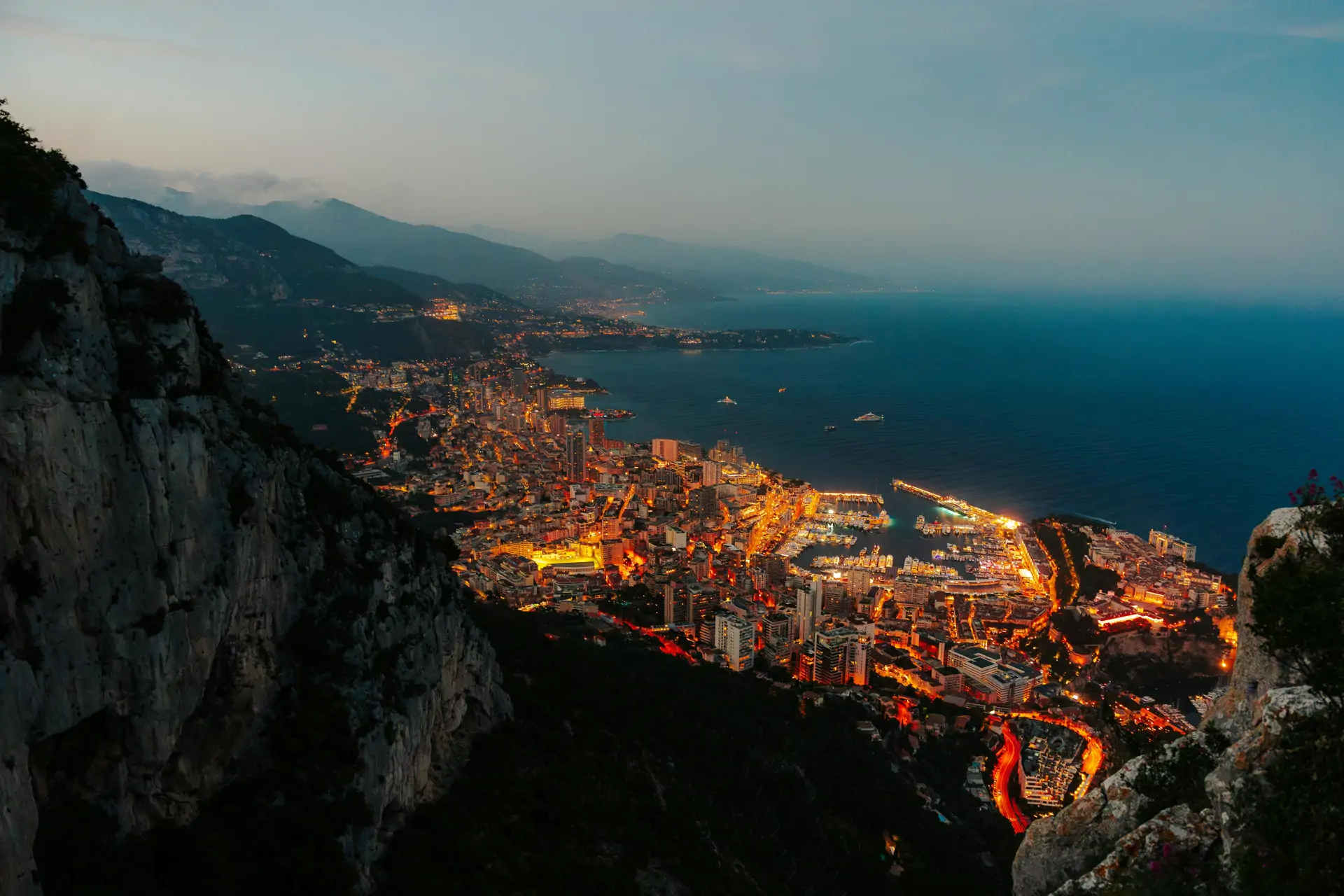
Monaco offers exceptional cultural experiences surrounding the yacht show. The Principality functions as a sophisticated art destination year-round. Collectors can maximize their visits by exploring Monaco's galleries, museums, and auction houses.
The Nouveau Musée National de Monaco presents contemporary art in two historic villas. Villa Paloma focuses on visual arts, while Villa Sauber emphasizes performing arts and architecture. Both venues showcase how art integrates with historic spaces—lessons applicable to yacht design.
Galerie Adriano Ribolzi has operated in Monaco since 1988. The contemporary gallery represents emerging and established artists. Collectors discover pieces potentially suitable for maritime installation. The gallery understands Monaco's luxury collector community and can recommend yacht-appropriate works.
Opéra de Monte-Carlo presents world-class performances throughout the season. The Salle Garnier's opulent interiors inspire yacht designers studying how historic spaces incorporate art and decoration. Evening performances provide elegant alternatives to yacht show events.
Fine dining reaches exceptional levels throughout Monaco. Le Louis XV – Alain Ducasse at Hôtel de Paris holds three Michelin stars. Alain Ducasse pioneered Riviera-Mediterranean cuisine, combining local ingredients with refined technique. The restaurant's art collection and interior design offer lessons in sophisticated space curation.
Elsa at Monte-Carlo Beach specializes in organic cuisine with sea views. COYA Monte-Carlo brings bold Peruvian flavors while Nobu provides Japanese-Peruvian fusion. Each restaurant demonstrates how environment and design enhance dining experiences—concepts yacht designers apply to onboard spaces.
The Casino de Monte-Carlo epitomizes Belle Époque grandeur. Its ornate interiors showcase how excessive decoration can work when executed with exceptional craftsmanship. The gaming rooms feature frescoes, sculptures, and architectural details informing contemporary luxury design thinking.
Practical Details for Yacht Show Success
Tickets require advance planning. The official Monaco Yacht Show website offers several options. One-day passes provide basic access. Three-day passes cover Thursday through Saturday. The Sapphire Experience VIP program includes Wednesday access, gala evening invitations, and exclusive reception access aboard premium yachts.
Most visitors fly into Nice Côte d'Azur Airport, thirty minutes from Monaco by car. Helicopter transfers take approximately seven minutes and offer spectacular coastal views. Private jet travelers use Nice as well—Monaco lacks commercial aviation facilities.
Monaco Check-In serves as the official accommodation partner. They provide preferential hotel rates during the show. Book early—Monaco hotels fill quickly during yacht show weeks. Expect premium pricing. Alternative accommodation exists in nearby Beausoleil, Cap-d'Ail, or Nice for more moderate budgets.
The show runs Wednesday through Saturday. Wednesday operates by invitation only or with Sapphire passes. Thursday and Friday offer the most comprehensive experience—full exhibitor participation with manageable crowds. Saturday crowds increase, but energy remains high. Hours run 10am to 6:30pm except Saturday, closing at 6pm.
Dress codes remain relaxed compared to other luxury events. Lightweight summer clothing works well—September temperatures average mid-twenties Celsius. Comfortable slip-on shoes prove essential. Most yachts require shoe removal before boarding. Bring sunglasses, a hat, and a light jacket for evenings.
Photography is permitted in public areas. However, boarding yachts to photograph requires explicit permission from exhibiting companies. Drone use is strictly prohibited September 20-28. Only official service providers can operate drones during this period. Violations incur fines under Monaco's Penal Code.
Shuttle boats and electric golf carts provide transportation around exhibition areas. These services help navigate Port Hercule's extensive layout. VIP pass holders have access to dedicated transport services. Regular attendees should plan extra time walking between zones.
Dining reservations require advance booking. Monaco's restaurants fill quickly during yacht show week. Brokers often provide recommendations and can arrange reservations as part of VIP services. Expect premium pricing across all dining categories during this period.
Business cards prove useful. The show facilitates networking across industries. Collectors meet designers, artists, brokers, and fellow enthusiasts. Exchange contact information freely—Monaco Yacht Show generates business relationships extending far beyond the four-day event.
Pre-registered yacht viewings streamline the experience. Brokers coordinate schedules, ensuring minimal downtime between appointments. Last-minute viewings prove difficult as popular vessels maintain full schedules. Serious buyers should engage brokers two to three months before the show.
The Future of Art-Integrated Yacht Design
Sustainability increasingly influences yacht design, including art programs. Designers specify environmentally responsible materials. Artists work with recycled metals, reclaimed wood, and sustainably sourced stones. This aligns with broader luxury market trends toward conscious consumption.
Technology enables new artistic possibilities. LED installations create dynamic artworks responding to environmental conditions. Programmable displays rotate digital art collections. Some owners commission AI-generated pieces that evolve based on voyage data. These innovations blur boundaries between traditional art and experiential technology.
Younger collectors bring different aesthetic sensibilities. They favor contemporary artists over established names. Commissions frequently incorporate interactive elements. Augmented reality features allow artwork to transform through smartphone viewers. These collectors approach yachts as platforms for cutting-edge artistic experimentation.
Fractional ownership models emerge, allowing multiple parties to share vessel access. This democratizes superyacht experiences previously limited to ultra-wealthy individuals. Art programs in shared vessels must appeal to diverse tastes. Curators select pieces with broad appeal while maintaining sophistication.
Museums increasingly partner with yacht owners. Vessels loan pieces to exhibitions during stationary periods. This provides museums access to private collections while giving owners institutional validation. The arrangement benefits both parties—museums gain content while collectors receive curatorial expertise and public recognition.
Charter markets recognize art's marketing value. Well-curated vessels command premium rates. Charter guests specifically request art-focused yachts. Marketing materials highlight notable pieces and artist commissions. This financial incentive encourages owners to invest in quality art programs, even for vessels primarily generating charter income.
Discover both physical and digital contemporary art at Artestial, the curated luxury platform bridging traditional collecting with innovative art forms, serving discerning collectors building sophisticated portfolios across all mediums and environments.
Making the Most of Monaco Yacht Show 2026
Success at the Monaco Yacht Show requires clear objectives. Collectors should define goals before attending. Are you considering a yacht purchase? Seeking design inspiration? Networking with industry professionals? Understanding primary objectives focuses limited time effectively.
Research vessels and exhibitors beforehand. The official website publishes exhibitor lists and yacht rosters months in advance. Study specifications, design studios, and art programs for vessels matching your interests. This preparation enables informed conversations with brokers and designers.
Engage professional advisors early. Brokers provide invaluable guidance in navigating the show's complexity. They coordinate viewings, provide market intelligence, and facilitate introductions to key industry players. Quality brokers add significant value, justifying their commissions through expertise and access.
Attend seminars and conferences addressing industry trends. Topics cover sustainability, design innovation, and technological advances. These educational opportunities provide context for evaluating vessels and understanding market direction. Knowledge gained informs better purchasing decisions.
Network strategically. The Upper Deck Lounge attracts industry elite. Sapphire Experience events facilitate introductions among serious buyers and industry leaders. Exchange contact information freely, but follow up thoughtfully. Monaco Yacht Show relationships often lead to collaborations extending years beyond initial meetings.
Experience Monaco beyond Port Hercule. Visit galleries, dine at exceptional restaurants, and appreciate the Principality's cultural offerings. This broader perspective informs how yachts fit into luxury lifestyle portfolios. Understanding complete contexts enhances collecting decisions across categories.
Document impressions carefully. Photograph vessels (with permission), take notes on design elements, and record contact information. The show's intensity makes details blur together. Good documentation enables effective post-event analysis and decision-making.
Follow up promptly after the show. Interest in specific vessels should be communicated quickly. Market conditions change rapidly. Waiting risks losing opportunities as other buyers advance negotiations. Professional brokers appreciate decisive clients who communicate clearly and act expeditiously.
Where Artistry Meets the Ocean
Monaco Yacht Show 2026 represents more than maritime commerce. The event celebrates where human creativity meets engineering excellence. Superyachts embody artistic vision rendered in steel, teak, and carbon fiber. Contemporary art finds new platforms floating across oceans.
For collectors who appreciate beauty across mediums, superyachts offer unique opportunities. These vessels combine functional transportation with aesthetic expression. They serve as mobile galleries showcasing the owner's taste and vision. The best examples rival shore-based residences in sophistication while enabling global exploration.
September 23-26, Port Hercule will host this extraordinary convergence. One hundred twenty superyachts will display. Fifty new models debut. Thirty thousand visitors will attend. Among them, collectors with discerning taste will discover how contemporary art and naval architecture create something greater than either achieves alone.
The future of luxury collecting increasingly crosses traditional boundaries. Paintings, sculptures, and vessels themselves all represent expressions of human creativity. Monaco Yacht Show demonstrates this evolution beautifully. Art no longer confines itself to galleries and homes. It travels the world aboard vessels designed as floating masterpieces.
For those who collect art, the Monaco Yacht Show 2026 deserves serious consideration. The event provides a unique perspective on how art integrates into unexpected environments. It showcases designers pushing creative boundaries. Most importantly, it celebrates the enduring human impulse toward beauty—whether hanging on walls or sailing across Mediterranean waters.
Curating excellence, one insight at a time.
— AURUM Team
Disclaimer: This article is for informational purposes only and does not constitute financial, legal, or purchasing advice. Superyacht ownership involves significant financial commitments and ongoing expenses. Maritime regulations and international laws vary by jurisdiction. Event details, exhibitor lists, and vessel availability are subject to change. Consult qualified yacht brokers, maritime attorneys, and financial advisors before making yacht purchasing or chartering decisions. Information reflects industry knowledge as of early 2026 and may not apply to specific situations or future conditions.