

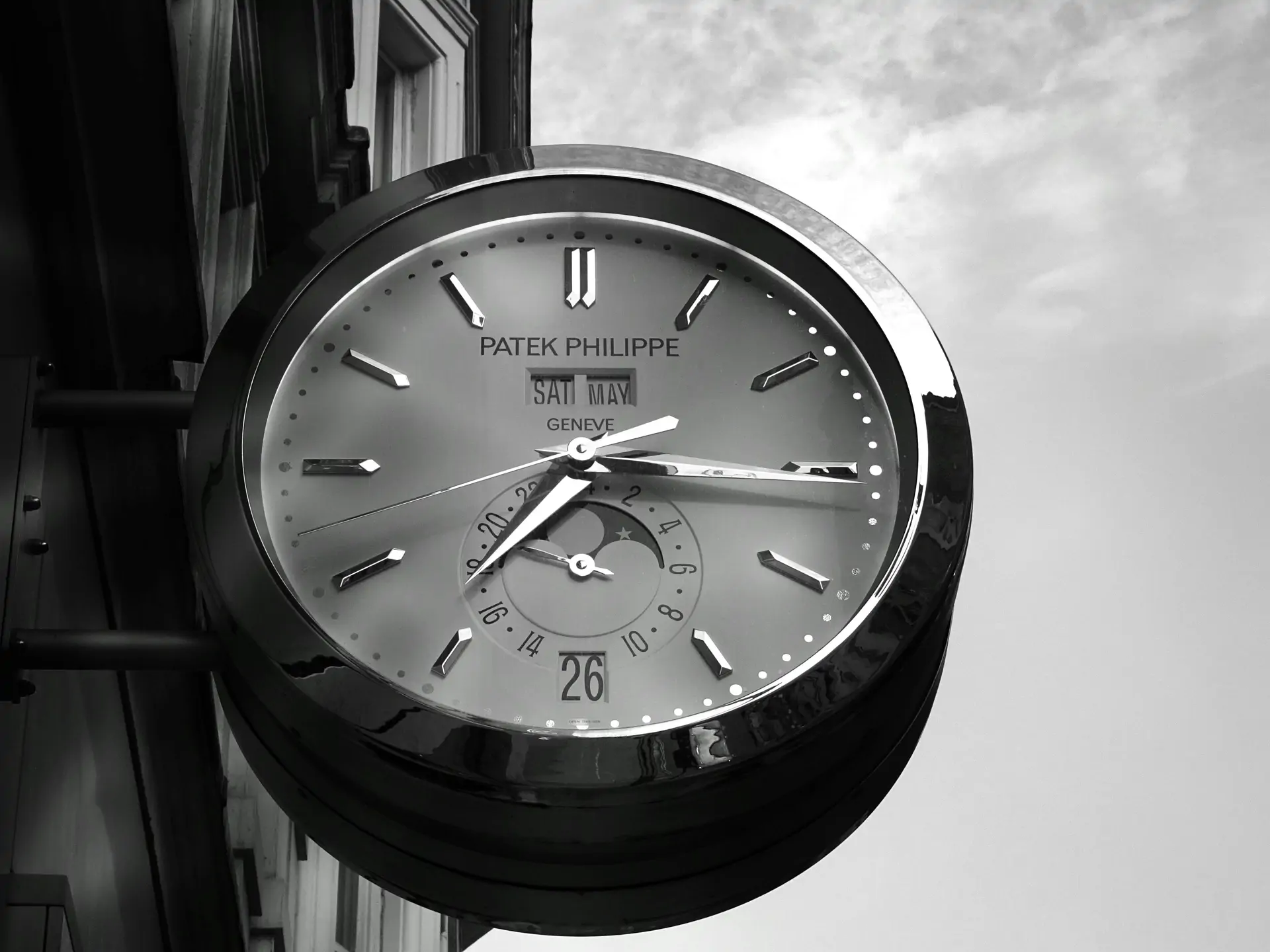
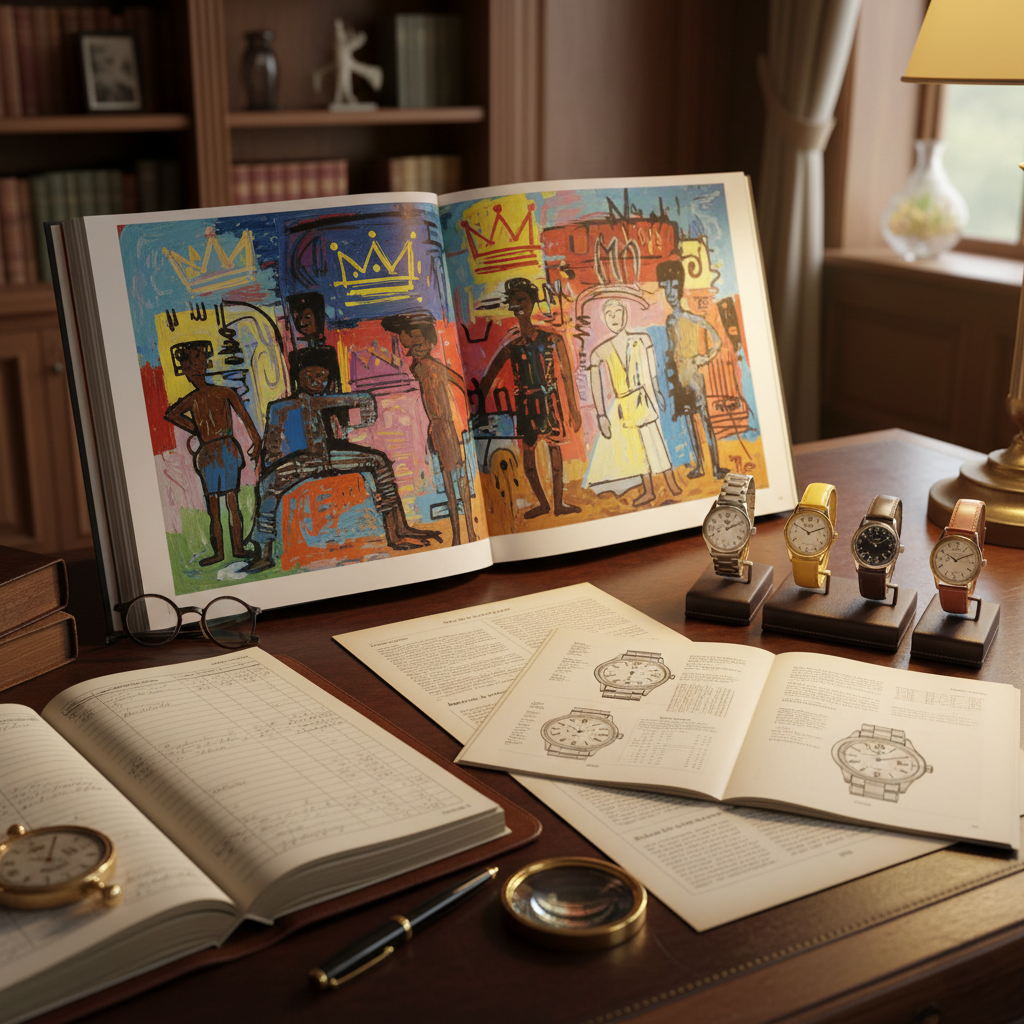
A private banker in Geneva called it "the most unexpected portfolio conversation of my career." His ultra-high-net-worth client—someone who'd built a $200 million contemporary art collection over two decades—wanted to discuss watches. Not as accessories. As alternative investments requiring the same due diligence as acquiring a Basquiat.
The conversation lasted three hours. They analyzed appreciation curves for specific Patek Philippe references. Evaluated liquidity considerations in the pre-owned market. Discussed authentication protocols with the rigor typically reserved for Old Master provenance. By meeting's end, the client allocated $2 million to watches—not despite his art focus, but because of it.
This scene repeats across collecting circles in 2026. Luxury watches have transcended horological appreciation to become serious alternative assets. The pre-owned market reached $24 billion in 2022 and is projected to hit $35 billion by 2026. Watches from Rolex, Patek Philippe, and Audemars Piguet appreciated 20% annually from 2018 to 2023—more than double the S&P 500's 8% return over the same period. For collectors who understand art market dynamics, watch investment offers familiar frameworks applied to wearable assets.
Why Collectors Are Adding Watches to Investment Portfolios
The convergence between art collecting and watch investment isn't coincidental. Both markets reward deep knowledge, patience, and appreciation for craftsmanship. Both demand authentication expertise and provenance documentation. Both offer tangible assets that provide aesthetic pleasure alongside financial returns.
The financial case has become compelling. From 2013 to 2022, luxury timepieces appreciated at 7% annually—outperforming jewelry, handbags, and many art categories. During the 2008 financial crisis, luxury watches proved resilient, recovering in just two years compared to longer rebounds for traditional equities.
Market structure favors sophisticated collectors. Nearly 60% of pre-owned transactions will occur online by 2026, creating liquidity previously unavailable. Authentication technology—including blockchain certificates from brands like Vacheron Constantin and Breitling—reduces counterfeiting.
eit risk. Major auction houses now devote significant resources to watch departments, with Christie's, Sotheby's, and Phillips regularly achieving eight-figure sale totals.
The collector profile itself has evolved. A 2023 Deloitte study found 39% of consumers planned pre-owned luxury watch purchases in the following year. Women represent the fastest-growing segment, with brands like Omega expanding collections specifically for female collectors. Millennials and Generation Z bring tech fluency to online platforms while appreciating mechanical craftsmanship as a counterbalance to digital ubiquity.
The Big Three: Rolex, Patek Philippe, and Audemars Piguet
Investment-grade watch collecting centers on three manufacturers whose track records justify serious capital allocation. Understanding their distinct characteristics helps collectors build balanced portfolios.
Rolex: Market Dominance Through Accessibility
Rolex's investment thesis rests on production volume meeting sustained demand. The brand manufactures approximately 1 million watches annually—far more than ultra-limited competitors—yet maintains premium pricing and strong secondary market performance.
Specific models drive returns. GMT-Master references show value retention averaging +40% above retail. Daytona chronographs maintain +39% premiums. Submariner dive watches, particularly vintage references, appreciate steadily. Even after market corrections in 2024-2025, average Rolex pieces trade +15% above authorized dealer prices.
The brand's strength lies in universal recognition and manufacturing consistency. Rolex quality control ensures reliable mechanical performance. Service networks span globally. Authentication, while requiring expertise, benefits from extensive documentation and expert knowledge.
For collectors, Rolex offers entry points from $10,000 for steel sports models to six figures for platinum Daytona references. The brand's volume creates liquidity—important for investors who value exit flexibility.
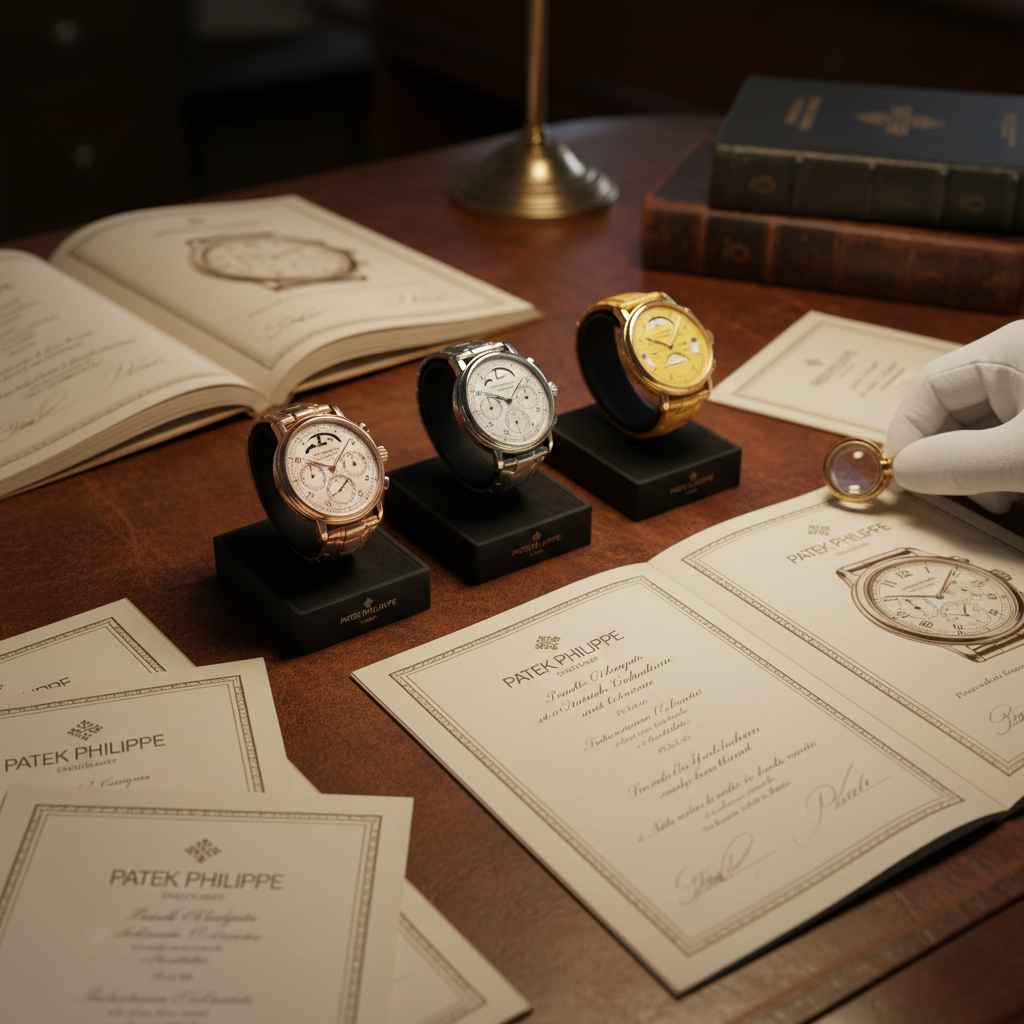
Patek Philippe: Heritage Commands Premium Returns
Patek Philippe occupies luxury's apex, producing approximately 55,000 watches annually versus Rolex's million. This scarcity drives exceptional appreciation. Five-year returns averaged 207%—the highest of any major manufacturer.
The Nautilus sports luxury watch, introduced in 1976, exemplifies Patek's investment potential. Reference 5711 trades significantly above retail despite recent discontinuation. Aquanaut models, targeting younger collectors, maintain strong premiums. Complications—perpetual calendars, minute repeaters, tourbillons—command the highest values, particularly in limited editions.
Patek's family ownership since 1932 ensures a long-term perspective over quarterly earnings pressure. The brand's marketing tagline—"You never actually own a Patek Philippe. You merely look after it for the next generation"—explicitly positions watches as intergenerational assets.
Investment considerations include higher entry points, typically $30,000 minimum, and a more selective secondary market. Authentication requires expert verification. However, properly documented Patek pieces offer inflation hedges and portfolio diversification benefits difficult to replicate.
Audemars Piguet: Design Innovation Meets Exclusivity
Audemars Piguet's investment case centers on the Royal Oak, the 1972 design that revolutionized luxury sports watches. The octagonal bezel and integrated bracelet created instantly recognizable aesthetics that transcend trends.
Royal Oak references maintain value retention averaging +30%, though this represents a decline from pandemic peaks. Royal Oak Offshore models appeal to collectors seeking robust, contemporary designs. Limited editions and collaboration pieces with artists or athletes command significant premiums.
AP's family ownership, similar to Patek, enables strategic patience. Annual production numbers remain controlled, preserving exclusivity. The brand's willingness to experiment—skeleton dials, bold colors, unconventional materials—attracts design-forward collectors.
Investment entry points range from $20,000 for time-only references to six figures for complications and limited editions. Secondary market depth varies by reference, requiring careful liquidity analysis.
Market Dynamics and Investment Timing
Understanding watch market cycles helps collectors optimize acquisition timing. The market experienced dramatic volatility 2022-2025, offering important lessons.
The pandemic period saw unprecedented price surges, with cryptocurrency wealth seeking tangible assets and restricted travel limiting buying opportunities. Correction came swiftly—by 2024, many references declined 20-30% from peaks. The market stabilized by 2026 around sustainable valuations, with top references still trading above retail but at reduced premiums.
Swiss exports reached CHF 25.9 billion in 2024, reflecting stable growth. Asian markets drive significant demand despite regulatory uncertainties. The Middle East shows a strong appetite for ultra-luxury complications. North American collectors maintain a steady interest.
The pre-owned market's professionalization enhances investment viability. Platforms like Chrono24, WatchBox, and Watchfinder provide price transparency and authentication services. Major brands—including Rolex's certified pre-owned program—legitimize secondary transactions.
Discover curated investment-grade art at Artestial, where acquisition strategies parallel luxury watch collecting through emphasis on provenance, authentication, and long-term value.
Authentication and Blockchain: The Technology Imperative
Counterfeit watches represent existential threats to market integrity. Sophisticated fakes replicate aesthetics convincingly, requiring expert verification. Authentication technology has evolved dramatically, with blockchain emerging as a transformative solution.
Major manufacturers implement digital certificates. Vacheron Constantin pioneered blockchain authentication for vintage pieces in the Les Collectionneurs program. Breitling partnered with Arianee to provide digital passports for limited editions. Ulysse Nardin offers blockchain certification across collections.
These systems create immutable digital records. Each watch receives a unique blockchain token containing the serial number, the manufacture date, the service history, and the ownership chain. Authentication becomes instantaneous through smartphone scanning rather than requiring expert evaluation.
The European Union's Digital Product Passport mandate, effective in 2026, accelerates blockchain adoption. All luxury goods require digital identities enabling supply chain traceability and authentication verification. This regulatory framework benefits legitimate collectors while complicating counterfeiting.
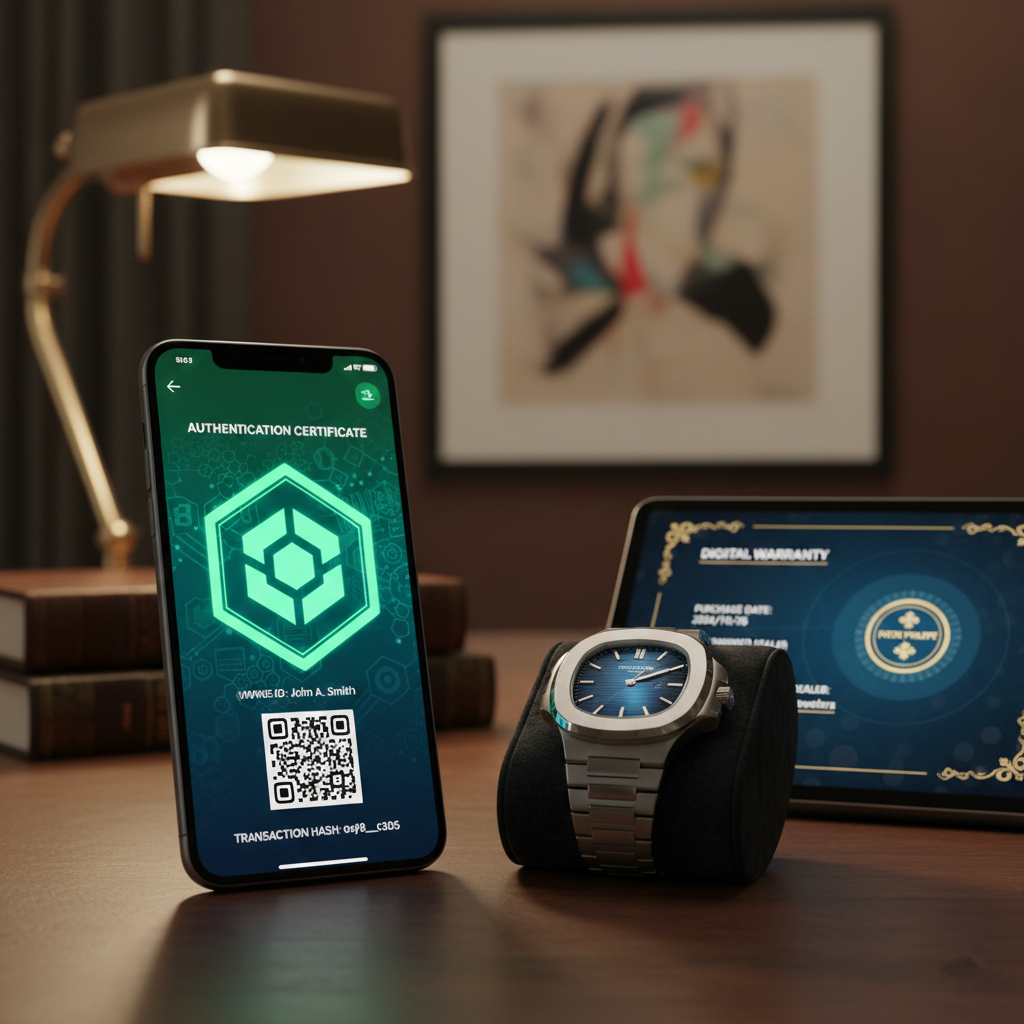
For investors, blockchain technology offers multiple advantages. Authentication confidence reduces fraud risk. Digital certificates streamline resale transactions. Complete service histories support valuation accuracy. Ownership transfers occur seamlessly without physical paperwork vulnerabilities.
Platforms like ORIGYN extend blockchain to fine art and luxury goods, creating unified authentication frameworks. Collectors building diversified alternative asset portfolios benefit from consistent verification protocols across categories.
Building a Watch Investment Strategy
Successful watch investment requires a structured approach, balancing financial returns with collecting pleasure. The following framework helps collectors develop coherent strategies.
Define Investment Objectives
Clarify goals before capital deployment. Pure investment seeks maximum returns, favoring liquid references with strong appreciation histories. Collection building prioritizes aesthetic preferences alongside financial considerations. Hybrid approaches balance enjoyment with portfolio discipline.
Time horizon matters significantly. Short-term speculation requires market timing skills and liquidity focus. Medium-term holding (5-10 years) captures appreciation cycles while maintaining reasonable exit flexibility. Long-term collecting (decades) emphasizes heritage pieces and complications likely to achieve heirloom status.
Risk tolerance influences brand and reference selection. Conservative collectors favor Rolex's liquidity and stable appreciation. Aggressive investors might concentrate on limited edition Patek complications with explosive upside potential but limited secondary markets.
Allocation and Diversification
Portfolio allocation depends on overall wealth and alternative asset exposure. High-net-worth collectors might allocate 2-5% of investable assets to watches. Ultra-high-net-worth individuals could dedicate $5-10 million across multiple pieces.
Diversification within watch portfolios reduces concentration risk. Balance brands—perhaps 50% Rolex, 30% Patek, 20% Audemars for core holdings. Vary reference types: sports models, dress pieces, complications. Consider vintage pieces alongside contemporary production.
Entry points vary dramatically. Initial investors might target $15,000-30,000 for single pieces, establishing market knowledge. Experienced collectors could deploy $100,000+ across multiple references. Scale matters less than education and authentication verification.
Acquisition Channels
Primary market access through authorized dealers offers certainty but requires relationships and waiting lists sometimes lasting years. Building rapport through purchase history helps, though allocation remains unpredictable.
Secondary markets provide immediate availability at market prices. Reputable dealers offer authentication guarantees. Online platforms enable price comparison and global access. Auctions suit sophisticated collectors—Christie's, Sotheby's, and Phillips curate important pieces, though buyer's premiums add 25-30% to hammer prices.
Private transactions offer flexibility but demand verification from independent watchmakers or brand service centers. Written documentation proves essential for resale.
The Art-Watch Collecting Synergy
The parallel between art and watch collecting extends beyond financial metrics. Both fields reward connoisseurship—the ability to distinguish exceptional examples from merely excellent ones. Both demand patience, as masterpieces rarely surface frequently. Both offer communities of passionate enthusiasts whose knowledge sharing elevates everyone's expertise.
Collectors building museum-quality art holdings often extend curatorial instincts to watches. Thematic collecting might emphasize specific manufactories, particular complications, or historical periods. Display considerations mirror art presentation—proper lighting, climate control, and security systems.
Authentication protocols overlap meaningfully. Art due diligence examines provenance chains, restoration histories, and expert opinions. Watch authentication verifies serial numbers, movement specifications, and service records. Both fields combat sophisticated forgeries threatening market integrity.
The psychological rewards align as well. Exceptional watches deliver aesthetic pleasure through visible craftsmanship—hand-finished movements, guilloche dials, perfectly executed complications. Like contemplating important artworks, wearing significant watches provides daily engagement with masterful human achievement.
Build your alternative asset portfolio at Artestial, where art and watch collecting converge through shared emphasis on heritage, craftsmanship, and enduring value.
Risk Factors and Market Considerations
Honest investment analysis acknowledges risks alongside opportunities. Luxury watches face challenges requiring careful evaluation.
Market volatility has intensified. The 2022-2024 correction demonstrated that even blue-chip references experience significant price swings. Collectors must accept potential temporary declines and focus on long-term trajectories rather than quarterly performance.
Liquidity varies dramatically by reference. Popular sports models like Submariner or Royal Oak trade quickly at fair prices. Complicated dress pieces or discontinued references might require months to locate motivated buyers. Emergency liquidations rarely achieve optimal pricing.
Authentication complexity persists despite blockchain advances. Sophisticated counterfeits fool even experienced collectors occasionally. Movement swaps, refinished dials, and replaced components reduce values significantly while appearing genuine superficially. Professional authentication remains essential for significant purchases.
Economic sensitivity affects luxury goods disproportionately. Recessions reduce discretionary spending, compressing secondary market prices. Wealthy collectors weather downturns better than aspirational buyers, creating tiered market responses.
Regulatory risks include import duties, tax implications, and wealth reporting requirements. International sales might trigger significant duties. Capital gains taxation applies to profitable sales in many jurisdictions. Estate planning must account for watch collections alongside other assets.
Storage, Insurance, and Maintenance
Protecting watch investments requires infrastructure similar to art collection management.
Storage demands environmental controls between 15-25°C and humidity management. Watch winders maintain automatic movements. Security measures include home safes, safety deposit boxes, or specialized storage facilities providing climate control and insurance coverage.
Insurance requires specialized coverage beyond standard homeowners policies. Insurers like Jewelers Mutual or Chubb provide agreed-value coverage and worldwide protection at annual premiums of 1-2% of insured value.
Maintenance preserves value—automatic movements require servicing every 5-7 years at brand-authorized centers. Costs range $500-2,000+, depending on complexity. Documentation management mirrors art recordkeeping: maintain purchase receipts, certificates, service records, and insurance appraisals with secure digital backups.
Essential Questions: Watch Investors Ask
How do I start investing in luxury watches with limited capital?
Begin with research rather than purchases. Study market trends, authentication basics, and brand histories. Entry-level investment pieces from Rolex (Oyster Perpetual, Explorer) or Omega (Speedmaster, Seamaster) offer solid foundations at $5,000-10,000. Focus on steel sports models with strong secondary markets. Avoid trendy pieces or unknown brands regardless of apparent bargains. Build expertise through forums, dealer relationships, and careful observation before deploying significant capital.
What's the minimum realistic investment for meaningful returns?
Most analysts suggest $10,000-15,000 minimum for single pieces with appreciation potential. Below this threshold, transaction costs (dealer margins, authentication fees, and servicing) consume too much of potential gains. Serious portfolios might start $30,000-50,000 spread across 2-3 references. Ultra-high-net-worth collectors could allocate $500,000+ across dozens of pieces. Scale matters less than quality—one exceptional Patek outperforms ten mediocre alternatives.
How liquid is the luxury watch secondary market?
Liquidity varies dramatically by reference. Top Rolex sports models (Submariner, GMT-Master, Daytona) trade almost instantaneously at fair prices through established dealers. Patek Nautilus and Aquanaut maintain strong liquidity despite lower volume. Complicated pieces or discontinued references require patience—potentially months for optimal pricing. Emergency liquidations rarely achieve the best prices. Plan holding periods of a minimum of 3-5 years for serious investment positions.
Should I focus on vintage or contemporary watches for investment?
Both offer opportunities with different risk-reward profiles. Contemporary pieces provide authentication certainty, manufacturer warranties, and immediate enjoyment while appreciating. Vintage watches offer higher appreciation potential for rare references, but demand significant expertise. Authentication challenges intensify with age. Starting collectors should focus on contemporary pieces, gradually expanding into vintage as knowledge grows. Diversified portfolios might hold 70% contemporary, 30% vintage.
How do I verify authentication before significant purchases?
Multiple verification layers reduce fraud risk. Purchase from reputable dealers (Watchfinder, European Watch Company, Tourneau) offering guarantees. Request complete documentation—original boxes, papers, service records. Independent watchmakers can verify movement authenticity and originality. Brand service centers provide definitive authentication, though costs range $500+. Blockchain certificates from manufacturers offer instant verification where available. For purchases above $50,000, consider professional authentication reports from recognized experts.
The Future of Watch Investment
The luxury watch market enters 2026 with renewed rationality following pandemic-era speculation. Sustainable growth replaces unsustainable hype. This environment favors educated collectors over opportunistic flippers.
Several trends shape the forward outlook. Blockchain authentication becomes standard, reducing fraud and streamlining transactions. Women's mechanical watches expand from niche to mainstream, broadening the collector base. Sustainability concerns drive certified pre-owned growth as environmental consciousness influences luxury consumption.
Younger collectors bring different preferences. Millennials and Gen Z value craftsmanship but seek technical innovation alongside heritage. Brands responding with hybrid complications, advanced materials, and contemporary designs will capture emerging demographics.
The integration with broader alternative asset portfolios accelerates. Family offices and wealth managers increasingly recognize watches alongside art, wine, and classic cars. Specialized funds dedicated to watch investments may emerge, though individual collecting likely remains dominant.
For collectors who understand art market dynamics, watches offer compelling diversification. Tangible assets you can wear daily. Mechanical marvels representing human ingenuity. Financial instruments appreciating alongside aesthetic pleasure. The convergence creates a unique investment category rewarding patience, knowledge, and genuine appreciation.
The Geneva banker's client—the contemporary art collector turned watch investor—summarized it perfectly: "I spend millions on art I see occasionally when visiting storage. These watches I live with daily, enjoying craftsmanship while building value. Both pursuits demand expertise. Both reward patience. The difference is intimacy."
That intimacy, combined with financial performance, explains why sophisticated collectors increasingly view luxury watches not as accessories but as serious alternative assets deserving rigorous analysis and strategic allocation.
Curating excellence, one insight at a time.
— AURUM Team
Disclaimer: This article is for informational purposes only and does not constitute financial, investment, or tax advice. Luxury watch markets fluctuate based on multiple factors, including economic conditions, brand policies, and collector preferences. Past performance does not guarantee future returns. Consult qualified financial advisors and watch specialists before making significant investment decisions. Observations reflect industry knowledge as of early 2026 and may not apply to specific situations. Authentication and market liquidity vary by reference and jurisdiction.